First Impressions
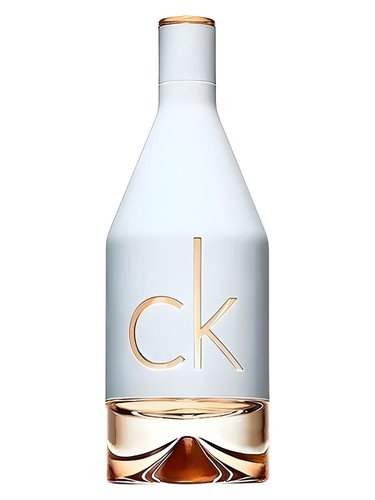
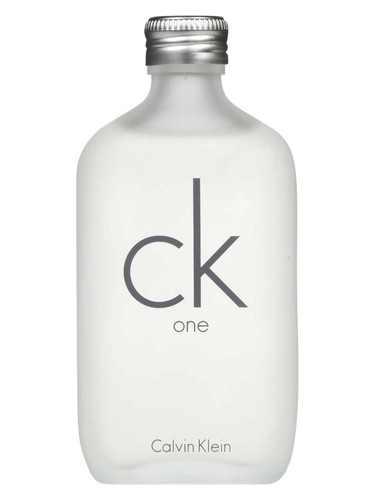
The first spray of CK One hits like a snapshot from 1994—a burst of unapologetic lemon-forward brightness that once felt revolutionary and now reads as comfortingly familiar. This is citrus at its most democratic: cheerful bergamot mingling with green notes and mandarin orange, punctuated by unexpected tropical whispers of pineapple and papaya. There''s an unmistakable freshness here, the kind that smells like optimism bottled during the Clinton administration. The opening is unabashedly light, almost translucent—Calvin Klein wasn''t aiming for depth or mystery when Alberto Morillas and Harry Fremont composed this; they were capturing a cultural moment when androgyny was edgy and minimalism was radical.
The Scent Profile
CK One''s architecture follows a classic cologne structure, though calling it a journey might oversell the evolution. The citrus-dominant opening (registering at maximum intensity in the accord data) is genuinely pleasant: lemon and bergamot provide the backbone, while mandarin orange softens the edges. Those tropical notes—pineapple and papaya—add a barely-there sweetness that prevents the composition from turning astringent, while cardamom brings a whisper of spice that most wearers will perceive as texture rather than distinct flavor.
The heart attempts to add complexity with a bouquet of lily-of-the-valley, jasmine, violet, rose, freesia, and orris root, supported by nutmeg''s warmth. On paper, this reads as an ambitious white floral accord (34% in the overall profile), but in practice, these notes blend into a slightly powdery (38%), vaguely floral haze. The individual flowers don''t demand individual attention; they create a soft, soapy-clean impression that reads more as "freshly laundered" than "garden in bloom."
The base is where things get truly interesting from a compositional standpoint, even if the average wearer barely notices it. Green tea and green accord extend that opening freshness straight through to the drydown, while musk, cedar, sandalwood, oakmoss, and amber attempt to provide structure and longevity. The woody accord registers at 38%—substantial on paper, but whisper-quiet in execution. This base was designed to be polite, to create a subtle skin-scent rather than to announce itself from across a room.
Character & Occasion
The data tells the story clearly: this is summer''s fragrance (99% seasonal appropriateness) and spring''s reliable companion (73%). CK One lives for daylight hours (100% day-appropriate versus just 15% for evening), thriving in warm weather when its citrus-green character feels most natural. Winter (13%) and fall (21%) aren''t its friends—this fragrance simply doesn''t have the weight or warmth to stand up to cold weather or cozy sweaters.
Ideal occasions skew casual: post-gym showers, weekend errands, beach trips, or any situation where you want to smell clean without making a statement. The 33% fresh accord and dominant citrus character make this the olfactory equivalent of a white t-shirt—versatile, inoffensive, and thoroughly unpretentious. Despite being categorized as feminine in the provided data, CK One was actually marketed as unisex (one of the first mainstream fragrances to do so boldly), and its clean, green character truly does work across gender lines.
This is decidedly not a date-night fragrance, a power scent for important meetings, or a cold-weather comfort blanket. It''s the fragrance equivalent of running errands in sneakers.
Community Verdict
The r/fragrance community''s mixed sentiment (5.5/10) tells a nuanced story about a fragrance caught between legacy and irrelevance. Based on 106 opinions, the consensus acknowledges CK One''s historical importance while questioning its contemporary relevance.
The praise is measured: people appreciate its versatility and inoffensive character, particularly for casual wear. At around €30 for 200ml, the value proposition seems reasonable for what you''re getting—a pleasant citrus scent with nostalgic appeal. For beginners exploring fragrance, CK One remains a safe, accessible entry point.
But the criticisms are pointed and recurring. Longevity is the primary complaint—CK One fades to a skin scent remarkably quickly, with many reporting just an hour or two of noticeable presence. Multiple community members describe it as boring and unimpressive, a fragrance that "has not aged well compared to modern fragrances." There''s also the persistent claim that current formulations are inferior to vintage versions, though this lament appears for nearly every pre-2000s fragrance.
The community''s recommendation is pragmatic: fine for after-gym wear or hot weather, but most suggest saving money for more impactful options unless you have specific nostalgia for CK One.
How It Compares
CK One sits in distinguished company among the similar fragrances listed: Light Blue by Dolce&Gabbana, L''Eau d''Issey Pour Homme, Versace Pour Homme, Acqua di Gio, and Bleu de Chanel. What''s telling is that most of these came after CK One and executed similar ideas with better longevity and more sophisticated compositions. CK One was the pioneer, but pioneers often get surpassed by those who follow.
Acqua di Gio, launched just two years later in 1996, essentially perfected what CK One attempted—a fresh, aquatic-citrus scent that maintains presence and sophistication. Light Blue offers a more explicitly feminine take on citrus freshness with better lasting power.
The Bottom Line
CK One''s 3.82/5 rating from over 21,000 votes positions it exactly where it deserves: above average, broadly liked, but not beloved. This is a fragrance that''s easier to respect than to reach for.
The €30 price point for 200ml represents decent value if you understand what you''re buying: a pleasant, fleeting citrus scent best suited for casual summer situations. For someone seeking gym-bag freshness or exploring fragrance for the first time, CK One remains a reasonable choice. For those with sentimental attachment to the scent—perhaps it reminds you of your youth or a specific person—that emotional value justifies the purchase in ways performance metrics never could.
But for anyone seeking longevity, complexity, or a signature scent that develops meaningfully over time, your money is better spent elsewhere. CK One was revolutionary in 1994. Thirty years later, it''s become what all revolutions eventually become: a pleasant reminder of a moment that has passed.
AI-generated editorial review