First Impressions
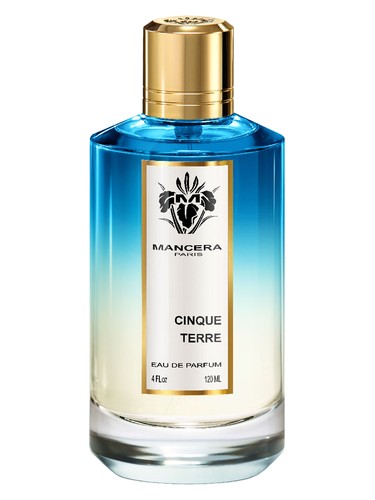
The first spray of Cinque Terre transports you directly to the steep, herb-scattered cliffs of the Italian Riviera—specifically those five legendary villages clinging to Liguria''s coastline. A bright burst of lemon cuts through the air, immediately tempered by the savory, almost culinary presence of rosemary. This isn''t the polite, decorative rosemary of garden-variety colognes; it''s the wild, sun-baked variety growing between rocks, mingling with cardamom''s green spiciness. Within moments, you understand Mancera''s intent: this is coastal Italy distilled, where citrus groves meet maritime forests, and the air carries both herb gardens and salt spray.
The opening refuses to choose between fresh and complex, delivering both simultaneously. That woody accord—registering at a dominant 100% in the fragrance''s DNA—announces itself early, grounding what could have been a fleeting citrus moment into something with substance and staying power.
The Scent Profile
Cinque Terre''s evolution mirrors the experience of hiking the Sentiero Azzurro, that famous coastal trail connecting the five villages. The lemon-rosemary-cardamom trio doesn''t simply vanish after its initial appearance; instead, it gradually shares the stage with an unexpected heart.
The transition introduces sea salt—a note that''s become increasingly popular but remains tricky to execute without veering into synthetic territory. Here, it works because it''s supported by fig leaf''s green, slightly milky character and the resinous qualities of both cedar and pine. This is where the fragrance reveals its sophistication: rather than creating a linear "beach scent," Mancera layers coastal elements with forest depth. The pine brings a crisp, almost medicinal quality that nods to Mediterranean scrubland, while amber begins warming the composition from within.
The aromatic accord (71%) threads through this entire phase, preventing the fragrance from becoming too pretty or too obviously summery. There''s an herbal, almost masculine edge that keeps things interesting.
As the base emerges, oakmoss provides that classic chypre foundation—earthy, slightly bitter, grounding. Tonka bean and sandalwood add creaminess without sweetness, while labdanum''s leathery, ambery depth creates shadow and dimension. The result is a fragrance that started bright and saline but settles into something woody, warm, and remarkably wearable. The citrus (44%) and salty (41%) accords never completely disappear; they simply recede into the background, occasionally surfacing like a Mediterranean breeze cutting through a pine forest.
Character & Occasion
The community data tells a clear story: this is overwhelmingly a warm-weather fragrance, scoring 100% for summer and 94% for spring. Those percentages make sense given the composition''s fresh, aromatic nature, but the 56% fall rating suggests greater versatility than typical summer scents. The woody base and aromatic complexity allow Cinque Terre to transition into cooler weather better than most citrus-forward fragrances, though the 17% winter rating confirms this isn''t your cold-weather comfort scent.
Day wear dominates at 87%, with night wear trailing at 40%. This tracks with the fragrance''s character—it''s vibrant and outdoorsy rather than seductive or mysterious. Picture it on weekend getaways, seaside lunches, gallery openings in coastal towns, or simply those days when you want to bottle vacation energy and carry it into your routine.
While marketed as feminine, the woody-aromatic profile and those similar fragrances (notably Terre d''Hermès and Hacivat) suggest significant crossover appeal. Anyone who gravitates toward fresh woody fragrances rather than sweet florals will find something compelling here.
Community Verdict
With a 3.85 rating from 412 votes, Cinque Terre sits in solidly positive territory without reaching masterpiece status. This is a respectable score for a 2024 release—enough ratings to be meaningful, and a rating high enough to indicate broad appeal without the controversy that sometimes surrounds polarizing fragrances.
The vote count suggests genuine interest and uptake. This isn''t a forgotten release or a niche curiosity languishing in obscurity. People are wearing it, evaluating it, and largely enjoying the experience. That near-4-star rating indicates a fragrance that delivers on its promise without necessarily rewriting the rulebook.
How It Compares
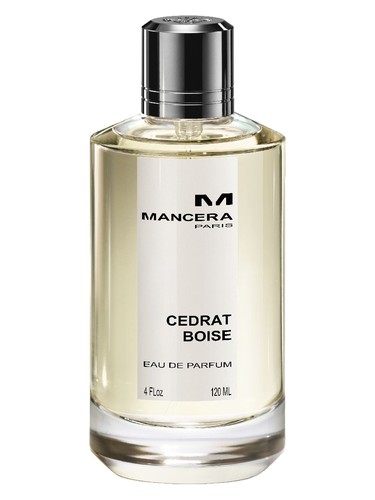
The lineup of similar fragrances is revealing. Terre d''Hermès remains the gold standard for woody-citrus-mineral compositions, while Hacivat represents the niche interpretation of pineapple-woody freshness. Notably, two of Mancera''s own creations appear: Cedrat Boise and French Riviera. This suggests Cinque Terre occupies a comfortable space within the brand''s portfolio of Mediterranean-inspired, woody-fresh offerings.
Where Cinque Terre distinguishes itself is in that sea salt and fig leaf combination, which provides a greener, more explicitly coastal character than Cedrat Boise''s fruity facets. It''s less obviously holiday-scented than French Riviera, positioning itself as the option for those seeking sophistication over exuberance.
The Bottom Line
Cinque Terre succeeds at what it sets out to do: capture a specific place and mood with enough complexity to remain interesting beyond the initial concept. It won''t revolutionize your fragrance collection, but it fills a specific warm-weather niche admirably—the polished, woody alternative to conventional summer freshness.
At 3.85 stars, expectations should be calibrated accordingly. This is very good rather than exceptional, well-executed rather than groundbreaking. For those building a warm-weather rotation or seeking a refined alternative to sport fragrances, it''s worth exploring. If you''ve enjoyed Mancera''s other Mediterranean offerings but wanted something greener and more herbal, or if you love Terre d''Hermès but wish it leaned more aromatic, Cinque Terre deserves your attention.
It''s a fragrance that understands its assignment: bottling those vertical Italian villages where lemon trees grow beside pine forests, where the air smells of herbs and salt, and where summer seems to last just a bit longer than anywhere else.
AI-generated editorial review