First Impressions
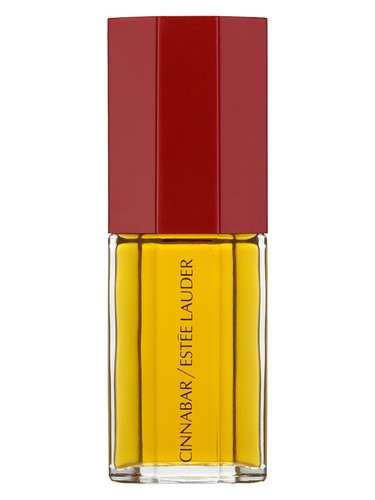
The first spray of Cinnabar is an assault in the most luxurious sense—a blast of spices that announces your presence before you''ve fully entered the room. This is not a fragrance that whispers; it proclaims. Within seconds, the bright citric spark of tangerine and bergamot collides with cloves and peach, creating an opening that feels both opulent and slightly confrontational. There''s orange blossom somewhere in that initial flourish, softening the edges just enough to keep things interesting rather than overwhelming. This is Estée Lauder in 1978, riding the wave of the oriental fragrance revolution, and Cinnabar makes no apologies for its ambition.
The Scent Profile
The evolution of Cinnabar reads like a journey through a spice bazaar before settling into a temple at dusk. Those opening spices—particularly the cloves—dominate the first fifteen minutes with an almost medicinal intensity that feels decidedly vintage. The peach adds an unexpected fruity sweetness that could have felt dated but instead provides crucial balance against the sharp bergamot and the heady richness of orange blossom.
As the top notes settle, the heart reveals Cinnabar''s true character: cinnamon-laced florals that define the warm spicy accord that registers at a perfect 100% in its profile. Carnation and cinnamon form an alliance here, creating that classic spiced-flower combination that dominated late-''70s and early-''80s perfumery. Ylang-ylang contributes its characteristic banana-like creaminess, while jasmine and rose add depth without pushing the composition into overtly feminine territory. Lily and lily-of-the-valley provide a green, slightly soapy counterpoint that keeps the spice from becoming suffocating.
The base is where Cinnabar reveals its staying power and its true oriental credentials. Incense smoke curls through amber and benzoin, creating that resinous, balsamic warmth (registering at 25% in the accord profile) that clings to skin and fabric for hours. Tolu balsam adds a vanilla-adjacent sweetness without tipping into gourmand territory, while sandalwood and patchouli provide the woody backbone (25% woody accord) that grounds all that spice. Vetiver adds an earthy, slightly bitter edge, and vanilla—though not listed as dominant—weaves through everything, softening and sweetening without dominating.
Character & Occasion
Cinnabar is unequivocally a cold-weather fragrance. The data tells the story clearly: winter registers at 100%, fall at 86%, while spring and summer barely make an appearance at 16% and 14% respectively. This is a perfume that demands cooler temperatures to truly shine. In summer heat, that spice-and-amber combination would likely feel suffocating; in winter''s crisp air, it becomes a warming embrace.
The day-versus-night breakdown is particularly telling: 54% for day wear but 96% for night. Cinnabar can certainly be worn during daylight hours—preferably in winter, to a special occasion—but it truly comes alive in evening settings. This is dinner party territory, theater dates, cocktail events where a bold, memorable scent feels appropriate rather than intrusive.
Who is Cinnabar for? Anyone who appreciates perfume as statement rather than suggestion. This isn''t for the timid or those seeking a skin scent. It''s for those who remember when perfume was meant to be noticed, and who perhaps miss that era of unabashed sillage.
Community Verdict
With a solid 4.01 rating from 2,158 votes, Cinnabar has earned its place as more than just a nostalgic curiosity. This rating suggests a fragrance that has maintained relevance beyond its initial launch, appealing to vintage fragrance lovers and those curious about the oriental powerhouses that defined an era. It''s not a perfect score—suggesting that Cinnabar''s boldness doesn''t work for everyone—but it''s strong enough to indicate this is a fragrance worth exploring, particularly for those building a comprehensive fragrance wardrobe that includes classic orientals.
How It Compares
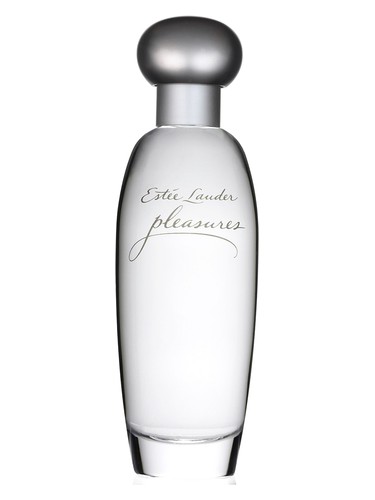
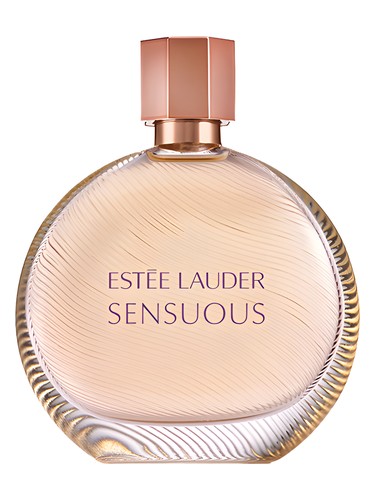
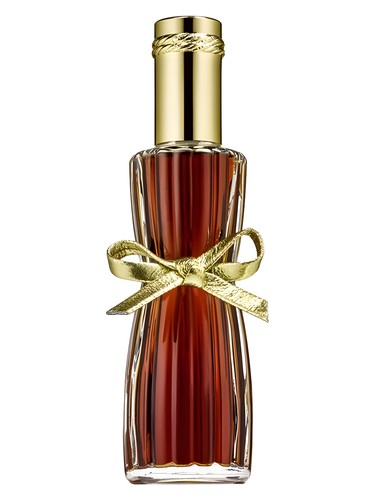
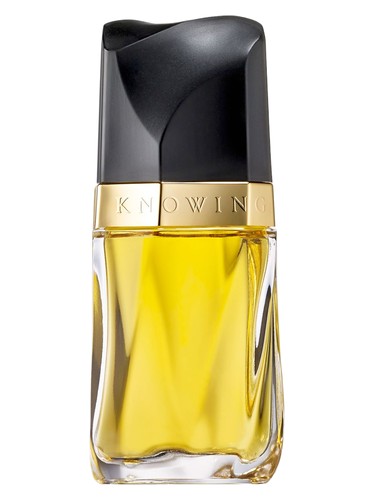
Cinnabar exists in distinguished company. Its closest siblings include Youth-Dew (Estée Lauder''s other spice-heavy classic), Opium from 1977 (arguably the fragrance that kicked off this entire movement), Chanel''s Coco Eau de Parfum, Calvin Klein''s Obsession, and Kenzo Jungle L''Elephant. What distinguishes Cinnabar in this crowd is its particular marriage of cinnamon and carnation—it''s perhaps less overtly seductive than Opium, less powdery than Coco, and more straightforwardly spicy than the sweeter Youth-Dew. Where Obsession veered toward white florals and Kenzo Jungle explored cumin, Cinnabar stays focused on its cinnamon-clove axis, making it perhaps the most literal interpretation of its exotic namesake.
The Bottom Line
Cinnabar isn''t trying to be modern, and that''s precisely its appeal. This is a fragrance time capsule from 1978, preserved in amber and spice, offering a window into an era when oriental fragrances ruled department store counters and subtlety was never the goal. At 4.01 stars, it''s clear that this approach still resonates with a significant audience.
Should you try it? Yes, if you have any interest in vintage orientals, classic Estée Lauder compositions, or warm spicy fragrances that prioritize presence over politeness. No, if you prefer minimalist scents, fresh compositions, or anything remotely office-appropriate in contemporary workplaces. Cinnabar demands the right setting and the right confidence to pull it off.
For those who connect with it, Cinnabar offers remarkable value as an overlooked classic that delivers complexity and longevity at a fraction of the cost of newer niche releases attempting similar profiles. It''s a reminder that sometimes the originals—however bold, however unapologetic—remain worth returning to.
AI-generated editorial review