First Impressions
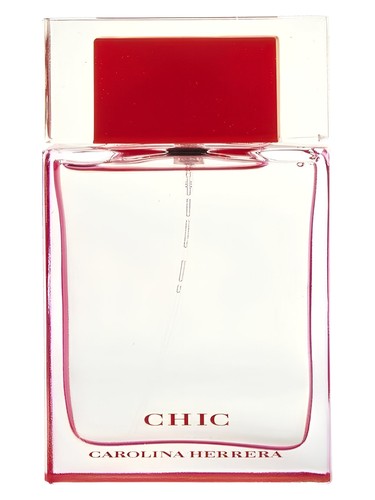
The first spray of Chic announces itself with the confident clarity of a woman who knows exactly who she is. Red freesia bursts forward, its slightly spicy-sweet character immediately tempered by the creamy richness of tuberose and the classic refinement of Bulgarian rose. This isn''t a tentative introduction—it''s a statement rendered in white petals and crimson blooms, a 2002-era declaration that femininity can be both bold and soft, structured and sensual. Within moments, you understand the name: this is white floral perfumery stripped of excess, edited down to its most essential elements.
The Scent Profile
Chic operates in the realm of pure white floral expression, its main accord registering at full intensity while maintaining remarkable composure. The opening trio of red freesia, tuberose, and Bulgarian rose creates an immediate tension between freshness and indulgence. The tuberose here isn''t the narcotic beast that dominates so many modern compositions—it''s refined, almost restrained, allowing the Bulgarian rose to lend old-world elegance while the freesia provides airy lift.
As the fragrance settles into its heart, the composition reveals its architectural complexity. Freesia reappears, this time joined by lily-of-the-valley''s green-tinged innocence. Then come the citrus blossoms: mandarin and orange flower adding a subtle luminosity, a Mediterranean warmth that prevents the white florals from becoming too austere. This is where Chic earns its secondary floral accord (58%) and its citrus notes (32%), creating a middle phase that feels like sunlight filtering through a bouquet.
The base is where early-2000s sensibilities show most clearly. White musk, sandalwood, and vanilla form a soft, slightly powdery foundation (23% powdery accord) that was signature to the era''s commercial perfumery. These notes don''t project dramatically; instead, they create a second-skin warmth, a clean finish that keeps the florals from overwhelming. The vanilla is subtle, the sandalwood whisper-quiet, the musk more about texture than presence.
Character & Occasion
With a rating indicating all-season versatility, Chic was designed as a chameleon—a fragrance that could adapt to any calendar page. The white floral dominance suggests traditional special-occasion elegance, yet the composition''s restraint and the citrus-kissed heart make it wearable across months and moods. It''s light enough for spring''s first warm days, bright enough for summer garden parties, sufficiently floral for autumn formality, and cozy enough in its musky-vanilla base for winter gatherings.
Interestingly, the data shows no clear day or night preference, which speaks to Chic''s studied neutrality. This is a fragrance that exists in that increasingly rare middle ground—dressy enough for evening but not so heavy that it overpowers a lunch meeting, soft enough for daytime but structured enough not to disappear under candlelight. The 32% tuberose accord provides just enough drama for after-dark wear, while the citrus blossoms keep it office-appropriate.
Community Verdict
Here''s where the story becomes frustratingly sparse. With only 48 community opinions available and limited detailed discussion, Chic appears to have slipped through the cracks of fragrance discourse. The neutral sentiment score reflects not necessarily mediocrity, but rather the perfume''s discontinued status and resulting obscurity. The few mentions that do exist note its unavailability and suggest Dior''s J''adore as a closer alternative than other white florals—a telling comparison that positions Chic in the same lineage of polished, accessible luxury.
This lack of passionate advocacy might actually reveal something about the fragrance itself: it was perhaps too refined, too quietly elegant for the extremes that generate online enthusiasm. With 1,166 votes yielding a solid 3.91 rating, Chic seems to have been well-liked but not loved, appreciated but not obsessed over—a fate that likely contributed to its discontinuation.
How It Compares
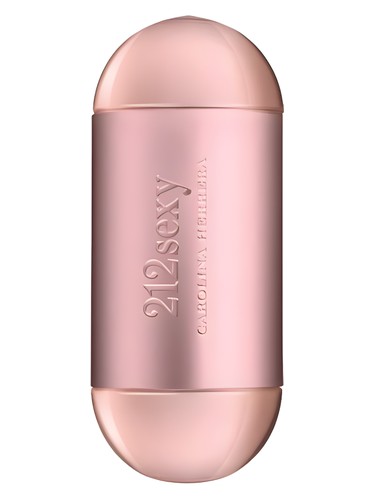
The similar fragrances list reads like a roster of early-2000s white floral royalty: 212 by Carolina Herrera (its stablemate), Organza by Givenchy, Pure Poison and J''adore by Dior, and Noa by Cacharel. These are all perfumes that defined a particular aesthetic—clean, sophisticated florals with commercial appeal and luxury positioning. Where Chic distinguished itself was in its particular balance: less overtly creamy than J''adore, less oriental than Organza, more traditionally floral than 212''s urbanity.
The J''adore comparison proves most revealing. Both fragrances share that polished white floral core, but J''adore''s greater longevity in the market (and in collective memory) suggests it offered something extra—perhaps more distinctive character, more aggressive marketing, or simply better timing.
The Bottom Line
Chic occupies that bittersweet space reserved for discontinued fragrances that were good but not great, beautiful but not irreplaceable. Its 3.91 rating out of 5 tells the story: this was a competent, well-crafted white floral that delivered exactly what it promised—polish, elegance, wearability—without quite achieving the magic that transforms a perfume into a classic.
For those lucky enough to find vintage bottles, Chic offers a time capsule of early-2000s sophistication, when white florals reigned and restraint was still a virtue. It''s worth trying for anyone who loves J''adore but finds it slightly too ubiquitous, or for collectors interested in Carolina Herrera''s broader oeuvre beyond the brand''s still-available hits.
Should you hunt it down? If you''re nostalgic for Y2K-era elegance or you appreciate white florals that don''t scream for attention, perhaps. But with so many similar fragrances still readily available, Chic remains what it always was: a pleasant companion rather than an essential acquisition, a perfume that whispered when perhaps it should have spoken up.
AI-generated editorial review