First Impressions
The first spray of Davidoff Champion announces itself with unapologetic brightness—a crisp burst of bergamot and lemon that cuts through the air with the clarity of morning light. This is citrus without pretension, a straightforward aromatic opening that makes its intentions clear from the start. The bergamot leads with its characteristic bitter-sweet sharpness, while lemon provides clean, zesty reinforcement. It''s an introduction that promises freshness above all else, setting the stage for what proves to be an unambiguously daytime composition. Within seconds, the dominant citrus accord (clocking in at a full 100% in its profile) establishes Champion as a fragrance that knows its lane and stays firmly within it.
The Scent Profile
The opening citrus duo of bergamot and lemon maintains its presence for a generous stretch, creating that sharp, invigorating effect that makes Champion unmistakably a warm-weather fragrance. As the initial brightness begins to soften, the heart reveals where Champion gains its aromatic character—a pairing of clary sage and galbanum that introduces herbal depth and green complexity to the composition.
The clary sage brings that slightly medicinal, herbaceous quality that reads as masculine and outdoorsy, while galbanum contributes a bitter green edge that prevents the fragrance from becoming too sweet or linear. This heart stage, representing 89% aromatic influence in the overall accord structure, is where Champion shows its most interesting facets. The green accord (33%) and subtle soft spice (28%) weave through this middle phase, adding texture to what could otherwise be a one-dimensional citrus exercise.
The base settles into familiar territory for fragrances of this style: oakmoss and cedar provide the woody-mossy foundation that grounds all that brightness. The cedar contributes its pencil-shaving dryness, while oakmoss adds that classic masculine earthiness that dominated men''s fragrances for decades. At 52% woody influence and 38% mossy character, these base notes create enough structure to give Champion decent longevity for an eau de toilette-style fresh fragrance, though they never dominate or darken the overall impression significantly.
Character & Occasion
Champion is purpose-built for daylight hours—the data confirms what the nose knows, with 100% day suitability versus just 33% for evening wear. This is a fragrance that thrives in spring and summer, where it scores 81% and 84% seasonal appropriateness respectively. Those numbers tell the story: Champion is your reliable choice for warm weather casual wear, performing adequately through office hours, gym sessions, or weekend errands.
Fall sees a dramatic drop to 38% suitability, and winter bottoms out at 24%—this fragrance simply lacks the warmth, spice, or richness to cut through cold weather. The lightweight citrus-aromatic profile that makes it refreshing in heat becomes thin and ineffective when temperatures drop.
The ideal wearer? Someone building their first fragrance wardrobe who needs a safe, office-appropriate daily option that won''t offend or overwhelm. It''s the kind of fragrance you can wear to a job interview, a first day at work, or any situation where "pleasant and forgettable" is the goal.
Community Verdict
Here''s where Champion''s story becomes complicated. Based on 43 community opinions, the sentiment skews decidedly negative, scoring just 2.5 out of 10. The rating of 3.49 out of 5 from 1,122 votes tells one story, but the dedicated fragrance community tells another.
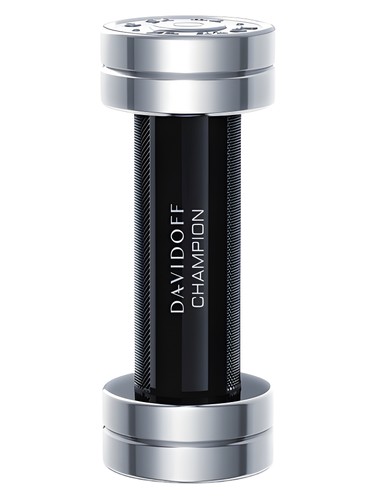
The primary criticism? That bottle design. Community members consistently describe it as tacky and cheap-looking, with comparisons drawn to mass-market body sprays like Axe and Bod—not exactly aspirational references for someone investing in their fragrance journey. The presentation undermines whatever quality exists in the juice itself.
The pros are pragmatic rather than passionate: Champion earns credit as an affordable entry-level option with decent performance given its price point. It works, it''s cheap, and it won''t fail you in appropriate situations.
The cons reveal the deeper issue: this is widely viewed as a fragrance people outgrow. It''s associated with youthful, inexperienced taste—the kind of scent that marks you as someone still learning the ropes rather than someone who''s found their signature. The recommendation is consistent: budget-conscious beginners seeking casual everyday wear.
How It Comparisons
Champion sits in crowded territory, drawing comparisons to modern classics like Acqua di Gio by Giorgio Armani, L''Eau d''Issey Pour Homme by Issey Miyake, and Versace Pour Homme. The difference? Those fragrances elevated the fresh masculine category with sophisticated compositions and elegant presentations. Champion offers a similar direction—citrus-aromatic-woody—at a fraction of the cost and prestige.
Terre d''Hermès operates in a different league entirely, offering complexity and artistry that Champion doesn''t attempt to match. Versace Man Eau Fraiche provides perhaps the closest comparison in terms of price-to-performance ratio and similar citrus-aquatic freshness.
The Bottom Line
Davidoff Champion is precisely what the community says it is: a functional, affordable fresh fragrance that does the job without inspiring passion. That 3.49 rating from over a thousand votes suggests general adequacy—it''s not broken, but it''s not beloved either.
The value proposition is real if you need something fresh, cheap, and reliable for daily summer wear. Performance delivers adequately for the price point. But that bottle design and the mass-market associations create a perception problem that''s difficult to overcome.
Should you try it? If you''re building your first collection on a tight budget and need a warm-weather daily driver, Champion offers legitimate functionality. Just know you''re likely shopping for a placeholder rather than a permanent fixture—something to get you through until you can invest in one of those pricier alternatives it''s compared to. It''s a champion for your wallet, if not for your bathroom shelf aesthetics.
AI-generated editorial review