First Impressions
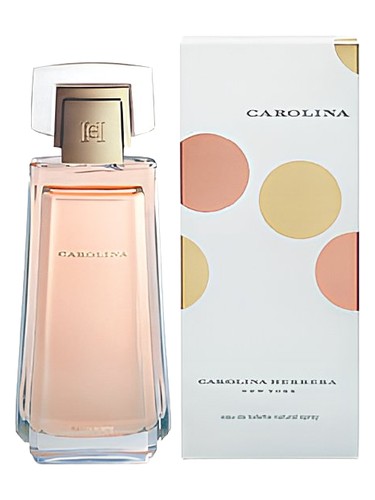
The first spray of Carolina reveals a fragrance that refuses to play by the rules of its era. Released in 2003, when sugary florals and fruity concoctions dominated feminine perfumery, Carolina Herrera''s eponymous creation opens with an intriguing contradiction: the green, slightly tart whisper of wild strawberry leaf paired with the zesty brightness of bitter orange and an unexpected jolt of cardamom spice. This isn''t the strawberry of dessert counters or candy shops—it''s the verdant, almost herbal quality of the plant itself, crushed between fingertips during a walk through overgrown gardens. Within moments, you realize this fragrance is playing a different game entirely, one where woody depth takes precedence over expected sweetness.
The Scent Profile
Carolina''s evolution tells the story of a fragrance that knows exactly what it wants to be. Those opening notes—wild strawberry leaf, bitter orange, and cardamom—create an aromatic citrus introduction that''s simultaneously fresh and earthy. The strawberry leaf brings a greenness that keeps the composition from veering into conventional fruity territory, while cardamom adds a subtle warmth that hints at the complexity to come.
As the fragrance settles into its heart, forest fruits emerge alongside rose and pepper, creating a fascinating interplay between the natural and the refined. These aren''t the jammy, overripe fruits of many feminine fragrances; instead, they maintain a certain wildness, as if picked from brambles rather than market stalls. The rose adds a touch of classic femininity without dominating, while pepper provides a gentle bite that keeps the composition alert and interesting. This phase of Carolina reveals why the aromatic accord scores so highly in its profile—there''s an almost outdoorsy quality to the blend, woody and alive.
The base is where Carolina truly distinguishes itself. Cashmere wood forms the backbone, supported by musk, amber, and vanilla. Here''s where the fragrance''s dominant woody character—registering at 100% in its accord breakdown—asserts itself fully. The cashmere wood is smooth and enveloping, creating a textile-like softness that justifies its name. Musk adds intimate skin-like warmth (the 92% musky accord makes perfect sense), while amber provides resinous depth. Vanilla appears not as a gourmand statement but as a subtle sweetener, rounding edges rather than commanding attention. The result is a base that feels simultaneously sophisticated and comforting, polished yet approachable.
Character & Occasion
Carolina is decisively a daytime fragrance, and the community data backs this up emphatically—100% day wear versus just 35% for evening occasions. This isn''t a fragrance that commands attention in dimly lit rooms; instead, it thrives in natural light, during coffee meetings, weekend errands, or lunch dates where its woody-musky character creates an aura of effortless polish.
Seasonally, Carolina shows a strong preference for spring (69%) and respectable performance in fall (51%), with more modest showings in summer and winter (31% and 30% respectively). This makes sense given its composition—the fresh, aromatic opening works beautifully against spring''s renewal, while the woody-musky base provides enough warmth for autumn''s crispness. In summer heat, those green and citrus notes offer refreshment without the fragrance feeling insubstantial, though it may not be everyone''s first reach when temperatures soar. Winter wearers might find it a touch light for the coldest months, though layering could solve that equation.
This is a fragrance for someone who appreciates subtlety with substance, who wants presence without projection. It suits the woman who''s moved beyond fragrance as announcement and into fragrance as signature—personal rather than performative.
Community Verdict
With a rating of 3.96 out of 5 from 491 votes, Carolina sits in that interesting sweet spot of being well-regarded without achieving cult status. This is a respectable showing that suggests a fragrance with genuine appeal, though perhaps not the immediate "wow factor" that generates perfect scores. The rating indicates a scent that rewards those who give it time, that reveals its qualities through wear rather than demanding instant adoration. Nearly 500 voters represent a solid consensus—this isn''t a polarizing outlier or a forgotten footnote, but a fragrance that has found and maintained its audience over two decades.
How It Compares
The similar fragrances list reads like a who''s-who of modern classics: Light Blue by Dolce&Gabbana, Coco Eau de Parfum and Coco Mademoiselle by Chanel, Narciso Rodriguez For Her, and Dune by Dior. What''s fascinating is how Carolina occupies middle ground among these references. It shares Light Blue''s freshness and daytime wearability but adds significantly more depth. It nods to the woody-musky sophistication of Narciso Rodriguez For Her while maintaining more citrus brightness. Against the Chanel comparisons, Carolina feels more casual, less monumental—though no less well-crafted.
Where Carolina truly distinguishes itself is in that forest fruits and wild strawberry leaf combination, creating a natural quality that many of its peers lack. It''s earthier than Light Blue, more accessible than Dune, less powdery than the Chanels, and warmer than Narciso Rodriguez.
The Bottom Line
Carolina deserves more attention than it typically receives in discussions of 2000s feminine fragrances. Its 3.96 rating reflects not mediocrity but nuance—this is a fragrance that doesn''t shout for attention but quietly insists on respect. At over twenty years old, it has aged gracefully, avoiding the dated sweetness that plagues many of its contemporaries.
Who should try it? Anyone seeking a sophisticated daytime signature that balances freshness with warmth, greenness with polish. Those who find typical fruity florals too sweet or woody scents too severe will discover Carolina occupies a compelling middle path. It''s particularly worth exploring if you''ve enjoyed any of the similar fragrances listed but wish for something slightly different, slightly less obvious.
Carolina may not be revolutionary, but revolution isn''t always the point. Sometimes, excellence lies in balance, in knowing exactly what you are and executing it with precision. This fragrance does exactly that.
AI-generated editorial review