First Impressions
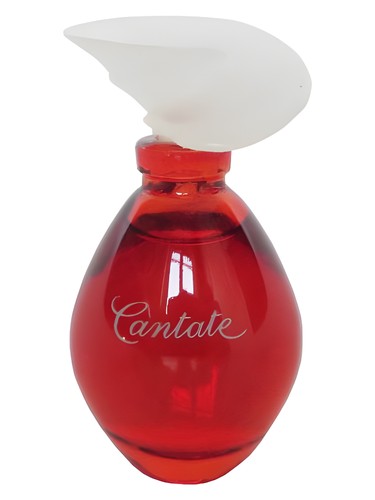
The first spritz of Cantate transports you directly to a late October afternoon, where dried rose petals rest on a wooden tray beside a steaming cup of spiced tea. This 1995 Yves Rocher creation opens with an unexpected sophistication—a tincture of rose that feels vintage and steeped in tradition, softened by the powdery elegance of iris and the white floral luminosity of jasmine. But don''t let these classic florals fool you into expecting a demure garden scent. Within moments, warmth begins radiating from beneath those petals, promising something far more complex than the opening suggests. There''s an immediate sense of depth here, a knowing nod to the oriental spicy fragrances that dominated the mid-90s, yet Cantate carries its own distinct personality—less overtly seductive, more quietly confident.
The Scent Profile
Cantate''s evolution is a masterclass in how spice can enhance rather than overwhelm florals. The opening trio of rose tincture, iris, and jasmine creates a foundation that''s both romantic and slightly retro. The rose here isn''t fresh-cut or dewy; it''s a concentrated essence that feels almost jam-like in its intensity, while iris adds that characteristic rooty, powdery quality that prevents the composition from becoming too sweet too quickly.
As the fragrance settles into its heart, the real character emerges. Cinnamon takes center stage alongside an ensemble of supporting spices, creating that dominant warm spicy accord that registers at full intensity in the fragrance''s DNA. This isn''t the sugary cinnamon of holiday candles, but rather a more nuanced, slightly dry interpretation that pairs beautifully with osmanthus—a note that bridges the gap between fruity apricot and leathery tea. The osmanthus here is subtle but crucial, adding a suede-like texture that gives Cantate its sophisticated edge.
The base is where comfort meets complexity. Sandalwood and Virginia cedar provide woody structure, grounding the composition with their creamy, slightly pencil-shaving quality. Tonka bean and vanilla arrive to soften and sweeten, but they''re kept in check by the wood notes, preventing the fragrance from sliding into gourmand territory. The result is a vanilla presence that feels integrated rather than dominant—sweetness with boundaries, warmth without cloying.
Character & Occasion
With fall and winter ratings at near-perfect scores (100% and 99% respectively), Cantate knows exactly what it is: a cold-weather companion designed to wrap you in aromatic comfort when temperatures drop. This is the fragrance equivalent of your favorite cashmere sweater—familiar, enveloping, and somehow both cozy and refined.
The day-to-night versatility (90% day, 94% night) speaks to Cantate''s remarkable adaptability. It''s appropriate enough for a professional setting in daylight hours, where its powdery florals and tempered spices read as polished rather than provocative. Yet it transforms beautifully for evening, when the cinnamon and vanilla notes seem to amplify in cooler night air, becoming more pronounced and intimate.
This is decidedly a fragrance for women who appreciate warmth without excess, spice without aggression. It suits those who came of age in the era when fragrances announced your presence without shouting, when complexity was valued over linear simplicity. While its vintage character might initially appeal to those who remember the mid-90s firsthand, younger fragrance explorers seeking alternatives to contemporary fruity florals will find Cantate refreshingly substantive.
Community Verdict
With a rating of 4.07 out of 5 from 578 votes, Cantate has earned solid respect from those who''ve experienced it. This isn''t a fragrance with a cult following numbering in the thousands, but rather a quietly appreciated gem that those who discover it tend to genuinely enjoy. The rating suggests consistent quality and broad appeal among its audience—high enough to indicate real appreciation, without the polarizing extremes that ultra-niche or challenging fragrances sometimes generate.
The substantial vote count indicates this isn''t an obscure footnote in Yves Rocher''s catalog, but rather a fragrance that has found its people over nearly three decades. That longevity and sustained positive reception speak volumes.
How It Compares
Cantate shares DNA with some impressive company. The references to Dior''s Dolce Vita and Chanel''s Coco Eau de Parfum place it firmly in the oriental spicy family that defined sophisticated femininity in the 1990s. Like LouLou by Cacharel, it embraces warmth and spice without apology. The similarities to other Yves Rocher offerings (8e Jour, Venice) suggest the brand understood this formula well and explored its variations thoroughly.
Where Cantate distinguishes itself is in its accessibility. While it shares the warm spicy-woody-vanilla profile with fragrances carrying prestige names and premium prices, it delivers this experience at Yves Rocher''s famously approachable price point. It''s less bombastic than LouLou, more cinnamon-forward than Dolce Vita, and more floral than the deeper, richer Coco.
The Bottom Line
Cantate represents something increasingly rare in contemporary perfumery: a well-crafted, complex composition offered without pretense or inflated pricing. Its 4.07 rating reflects genuine appreciation rather than hype-driven enthusiasm, and that authenticity is part of its appeal.
This is not a groundbreaking or revolutionary fragrance, nor does it attempt to be. Instead, it''s an expertly executed example of mid-90s oriental spicy perfumery, delivered with sincerity and surprising sophistication. For those building a cold-weather fragrance wardrobe, Cantate offers excellent value—a cinnamon-laced, rose-adorned, sandalwood-anchored experience that punches well above its price point.
Try Cantate if you appreciate vintage-style warmth, if you find modern fragrances too sweet or synthetic, or if you''re simply curious about accessible alternatives to luxury spicy orientals. Nearly thirty years after its release, this Yves Rocher creation still has something meaningful to say.
AI-generated editorial review