First Impressions
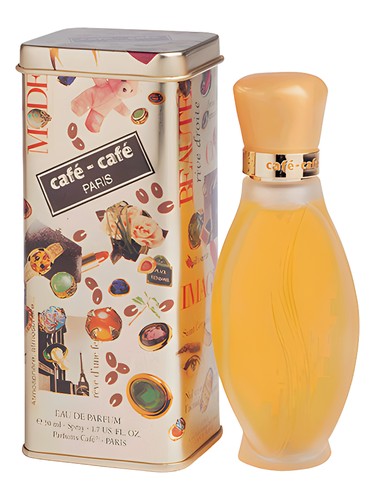
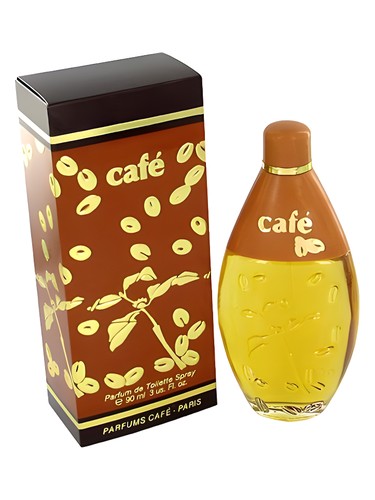
Don''t let the name fool you. Cafe by Cafe Parfums has nothing to do with cappuccinos or croissants. The first spray delivers something far more intriguing: a bracing herbal slap of rosemary and verbena, sharpened with lime''s citric edge. It''s an opening that feels less "Parisian sidewalk café" and more "apothecary cabinet lined with earthenware jars." Within moments, that initial brightness begins warming, hinting at the spicy, woody heart that defines this 1978 creation. This is a fragrance with misdirection built into its DNA—a perfume that announces itself with aromatic freshness before revealing its true, resinous character.
The Scent Profile
The opening trio of rosemary, verbena, and lime creates an unexpectedly sharp introduction. The rosemary dominates here, medicinal and camphoraceous, while verbena adds a green, slightly metallic brightness. Lime provides just enough citrus to keep things from feeling too herbaceous, though at 50% citrus in the overall accord profile, this isn''t a fruit-forward fragrance by any measure. These top notes feel almost contradictory to what follows—intentionally so, perhaps, given the era''s love of dramatic transitions.
As the aromatic opening settles, the heart reveals where Cafe truly lives: in a warm haze of spices and rose. The spice accord isn''t specifically detailed, but given the 100% warm spicy rating and the fragrance''s 1978 origins, we can expect the kind of ambiguous, resinous spice blends popular in that decade—think cinnamon, clove, perhaps cardamom. The rose here doesn''t bloom with dewy freshness; instead, it''s heated, almost dried, petals pressed between the pages of an old book. This phase of the fragrance builds the bridge between the herbal brightness and the earthy foundation to come.
The base is where Cafe makes its most definitive statement: patchouli and vetiver in conversation. Both are earth-dwellers, but they speak different dialects. The patchouli (significant enough to register as a 56% accord) brings that characteristic mustiness, slightly sweet, with chocolate-like undertones that might explain some wearers'' association with coffee. Vetiver adds its smoky, grassy rootiness, creating a woody foundation that registers at 96% in the accord analysis. Together, they form a base that''s substantial, earthy (54%), and unapologetically retro in its approach—no modern sheerness or transparency here.
Character & Occasion
The seasonal data tells a clear story: Cafe is a cold-weather companion. With fall registering at 100% and winter at 94%, this fragrance thrives when temperatures drop and you need something with substance. Spring sees a dramatic decline to 34%, and summer barely registers at 20%—that dense patchouli-vetiver base simply doesn''t want to coexist with humidity and heat.
Interestingly, the day/night split reveals surprising versatility within its seasonal window. While it edges slightly higher for evening wear (84% night versus 79% day), Cafe straddles both occasions comfortably. The aromatic top notes keep it from feeling too heavy for daytime autumn wear, while the warm spicy heart and woody base have enough presence for evening. This is a fragrance that could take you from a fall afternoon walk through leaf-strewn streets to dinner as the temperature drops.
Who is Cafe for? Marked as feminine, it''s nevertheless built on accords—woody, aromatic, earthy—that many modern perfume classifications would consider unisex or even masculine-leaning. This speaks to the 1970s approach to women''s fragrance: bold, assertive, unconcerned with conventional prettiness. The ideal wearer likely appreciates vintage character, doesn''t shy away from patchouli, and wants something with genuine warmth and depth.
Community Verdict
With a 3.84 out of 5 rating across 790 votes, Cafe sits in respectable territory—well above average but not achieving cult status. This rating suggests a fragrance that delivers on its promises without necessarily converting skeptics. The relatively robust vote count (nearly 800 evaluations) indicates this isn''t an obscure curiosity; enough people have experienced it to form a meaningful consensus. That consensus appears to be: competent, characterful, worth exploring if you''re drawn to warm, woody, patchouli-forward compositions from the late ''70s golden age of heady perfumery.
How It Compares
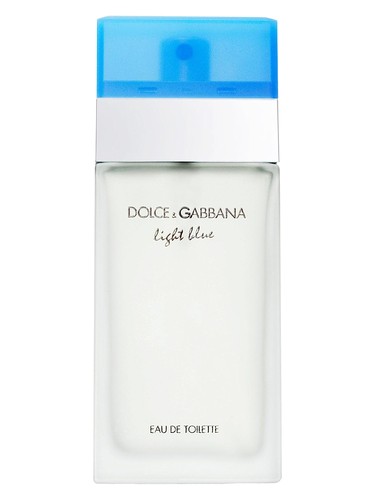
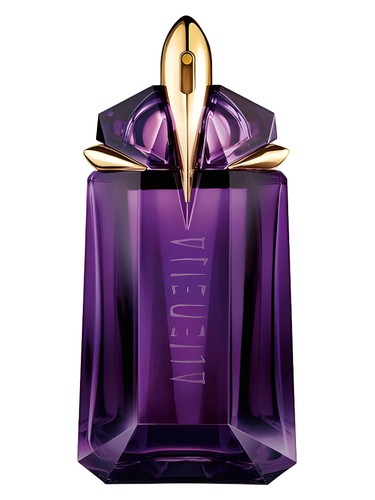
The comparison set places Cafe firmly in the powerhouse feminine canon of the late ''70s and ''80s. Opium by Yves Saint Laurent (1977) likely shares the warm spicy orientation and unapologetic intensity. Obsession by Calvin Klein brings similar woody depth, while Tabu by Dana suggests a shared vintage sensibility. Kenzo Jungle L''Elephant and Paloma Picasso by Paloma Picasso round out a list of fragrances that prioritize presence over subtlety, warmth over freshness.
Within this company, Cafe appears to be the more aromatic option, thanks to that distinctive rosemary-verbena opening. Where Opium leans heavily into clove and mandarin, and Obsession goes for ambery vanilla, Cafe charts a more herbaceous, vetiver-grounded path. It''s perhaps less revolutionary than its comparisons, but potentially more wearable for those who find the heavy hitters overwhelming.
The Bottom Line
Cafe by Cafe Parfums offers solid vintage character at what''s likely an accessible price point, given its moderate rather than stratospheric reputation. The 3.84 rating shouldn''t discourage—it simply reflects honest assessment rather than breathless hyperbole. This is a well-constructed warm spicy woody fragrance that does exactly what its accord profile promises.
Who should try it? Vintage fragrance explorers, patchouli devotees, and anyone looking for substantial cold-weather scent with a distinctive aromatic opening. Skip it if you prefer fresh, clean, or overtly sweet fragrances, or if you live somewhere without a proper autumn. The name may be misleading, but the fragrance itself is remarkably straightforward: a warm, earthy, spice-laced composition that captures a particular moment in perfumery when bigger was better and subtlety was someone else''s concern.
AI-generated editorial review