First Impressions
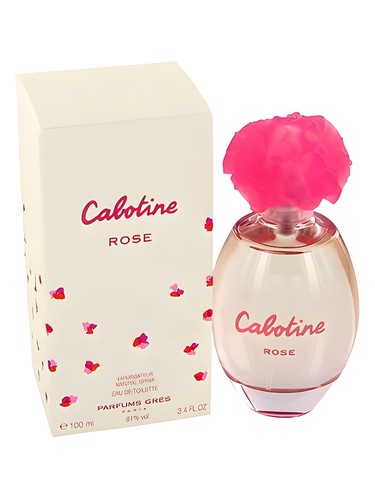
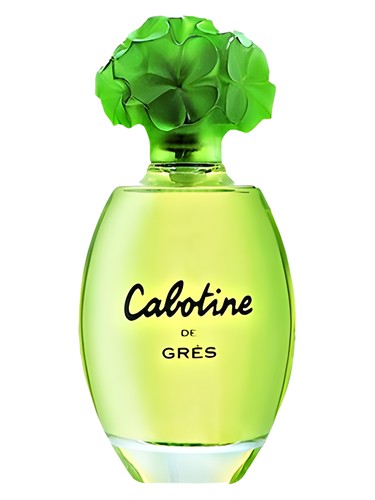
Uncap Cabotine, and you''re immediately transported to an overgrown conservatory where fruit trees brush against jasmine vines. The opening is a paradox—simultaneously fresh and heady, innocent and knowing. A burst of tangerine and peach mingles with the spicy bite of coriander and cassia, while orange blossom lends its neroli-like brightness. This isn''t the polite garden of a manicured estate; it''s wilder than that, almost feral in its exuberance. There''s a distinct greenness here that anchors all that fruit and flower, keeping Cabotine from tipping into cloying sweetness. Within seconds, you understand why this 1990 release became a touchstone of its era—it captured something untamed yet utterly wearable.
The Scent Profile
Cabotine''s evolution reads like a botanical encyclopedia, yet it never feels academic or stuffy. Those opening notes—coriander''s lemony spice, the jammy richness of plum and blackcurrant, stone fruit sweetness from peach—create a tart, mouthwatering introduction. The cassia adds a subtle cinnamon warmth that hints at the complexity to come, while orange blossom bridges the gap between the fruity top and what lies beneath.
As the initial brightness settles, Cabotine reveals its true heart: an almost dizzying bouquet of white and bright florals. Tuberose takes center stage, creamy and narcotic, but it''s tempered by the aquatic coolness of freesia and the green, slightly soapy quality of hyacinth. Jasmine and ylang-ylang contribute their indolic richness, while rose and violet add powder-soft nuances. The carnation brings a spicy clove-like facet, and ginger provides a zingy warmth that keeps the composition from becoming too languid. Iris and heliotrope float through intermittently, adding an almost almond-like softness that rounds the sharper edges.
The base is where Cabotine shows its vintage DNA. Civet—that animalic note that today''s perfumery often shies away from—adds a subtle muskiness that gives the florals breathing, living warmth. It''s supported by a more conventional foundation of sandalwood and cedar, their woodiness providing structure, while vetiver contributes its earthy, slightly bitter grassiness. The sweetness returns here too, with vanilla, tonka bean, and amber creating a soft, skin-like finish. Blackcurrant reappears, tying the composition back to its fruity origins, creating a full-circle moment that feels intentional and satisfying.
Character & Occasion
The data tells a clear story: Cabotine is spring personified, with a 97% seasonal association that''s almost unheard of. This is the fragrance equivalent of the first truly warm day of the year, when suddenly everything is blooming at once. Summer follows at 58%, which makes perfect sense—that green, aromatic quality and fruity brightness work beautifully in warmth without becoming oppressive. The fall and winter ratings drop off significantly (49% and 37% respectively), and honestly, that tracks. This isn''t a fragrance that wants to be buried under cashmere; it wants to dance in open air.
The day versus night breakdown is equally definitive: 100% day, 34% night. Cabotine is unapologetically a daylight fragrance, best worn to garden parties, weekend brunches, or office environments where you want to project approachability rather than seduction. That said, the 34% night rating suggests it can work for early evening occasions—perhaps a springtime dinner on a patio or a casual date where you want to smell fresh rather than sultry.
This is a fragrance for someone who appreciates classic florals but finds pure white flower bombs exhausting. The green and aromatic facets (56% and 62% respectively) keep it from reading as your grandmother''s perfume, while the woody base (55%) gives it enough structure to feel modern. It''s feminine without being overly precious, confident without shouting.
Community Verdict
With 5,279 votes tallying to a 3.68 out of 5 rating, Cabotine sits in interesting territory. This isn''t a universally adored masterpiece, but it''s far from a failure. That rating suggests a fragrance with a distinct point of view—one that resonates strongly with its audience but doesn''t try to please everyone. For context, anything above 3.5 with this many votes indicates a fragrance that has found its people and maintained relevance over decades. The sheer number of ratings confirms Cabotine''s status as a reference point in the green floral category, a fragrance that continues to attract new wearers more than three decades after its launch.
How It Compares
Cabotine shares DNA with several heavy-hitters: Amarige by Givenchy brings similar floral intensity, while 5th Avenue by Elizabeth Arden offers that same polished, feminine presence. J''adore by Dior and Poème by Lancôme represent the more refined, expensive end of this floral spectrum, and Organza by Givenchy shares that vintage warmth and complexity. Where Cabotine distinguishes itself is in that pronounced green, aromatic quality—it''s less polished than J''adore, more playful than Poème, and greener than any of its cousins. It occupies a sweet spot between accessibility and complexity, never dumbing itself down but never requiring a perfume PhD to appreciate.
The Bottom Line
Cabotine isn''t trying to be everything to everyone, and that''s precisely its strength. This is a confident green floral that knows exactly what it is: a springtime celebration in liquid form, complex enough to reward close attention but joyful enough to wear without overthinking. The 3.68 rating reflects its vintage character—some will find it dated, others will find it refreshingly unapologetic compared to today''s often-diluted offerings.
For the price point of most Grès fragrances (typically affordable), Cabotine offers remarkable complexity and generous longevity thanks to that substantial base. If you''re drawn to green florals, white flower bombs with a twist, or simply want to understand what made 90s perfumery so distinctive, this is essential sampling. It won''t be for minimalists or those who prefer linear, transparent scents. But for anyone who believes fragrance should be an experience rather than a whisper, Cabotine delivers abundantly.
AI-generated editorial review