First Impressions
The first spray of Byzance is like stepping into a Persian bazaar at twilight—all burnished gold light and exotic wares tumbling from silk-lined cases. This is not a fragrance that whispers; it announces. The opening salvo of aldehydes and spices arrives with the confidence of late-1980s perfumery, when "too much" wasn''t yet in the lexicon. Cardamom and carnation spark against mandarin''s bright citrus, while basil adds an unexpected herbal sharpness that keeps the composition from tipping into pure sweetness. It''s warm, it''s immediate, and it brooks no argument about its intentions.
What strikes you first isn''t just the complexity—though with aldehydes, spices, carnation, cardamom, basil, mandarin orange, lemon, and green notes all jockeying for attention, there''s plenty of that—but the seamlessness. Despite the crowded opening, nothing feels discordant. This is maximalism executed with surgical precision.
The Scent Profile
As Byzance settles into its heart, the spice-forward opening gives way to one of the most luxurious white floral bouquets of its era. Tuberose takes center stage, but this isn''t the creamy, indolic tuberose of tropical fantasies. Instead, it''s scaffolded by ylang-ylang''s banana-tinged sweetness and Turkish rose''s plush, wine-dark petals. Jasmine weaves through with its green-inflected radiance, while lily-of-the-valley adds a surprising moment of dewy freshness.
The real genius here is the orris root, which lends a powdery, lipstick-like elegance that bridges the gap between the spicy top and the warm base. And then there''s anise—an unconventional choice that adds a licorice-like twist, preventing the florals from becoming too pretty, too safe. This heart phase is where Byzance earns its 78% white floral accord rating, but it''s the 100% warm spicy accord that never quite releases its grip.
The base is where Byzance reveals its true character as a cold-weather seductress. Sandalwood and cedar provide the woody backbone (accounting for that 71% woody accord), while amber and musk wrap everything in a golden, skin-like warmth. Vanilla and heliotrope bring a powdery sweetness—not sugary, but rather like the scent of expensive face powder in a vintage compact. This is the phase that lingers for hours, that leaves traces on scarves and coat collars, that makes strangers in elevators ask what you''re wearing.
Character & Occasion
The data tells a clear story: Byzance is a creature of darkness and cold. With 100% suitability for night wear and an 83% rating for winter (72% for fall), this is emphatically not a spring garden party fragrance. Those 18% who wear it in summer are either living in air-conditioned luxury or possess a devil-may-care attitude toward seasonal conventions.
This is a fragrance for opera openings, winter weddings, candlelit dinners where the dress code is "black tie preferred." It''s for women who know the power of a statement scent—who understand that perfume isn''t mere accessory but armor, invitation, and signature all at once. The 43% day wear rating suggests it can be pulled off during daylight hours, but it requires commitment. This isn''t office-appropriate unless your office has velvet curtains and oil paintings.
The aldehydic backbone (51% accord) situates Byzance firmly in a particular perfume lineage—one that values technical complexity and unapologetic femininity. This is a grown woman''s fragrance, make no mistake.
Community Verdict
With an impressive 4.25 out of 5 stars from 1,813 voters, Byzance has clearly found its devotees. The Reddit community''s 8.2 out of 10 sentiment score reflects genuine appreciation, though it''s worth noting some confusion in the community data—references to iris, berry notes, and leather suggest some respondents may be discussing a different fragrance entirely (possibly the Ormonde Jayne Byzance, a completely separate scent).
Focusing on the verified perfume data and broader community consensus, the strengths are clear: longevity is exceptional (as expected from this era of perfumery), the composition reads as elegant and upscale, and the presentation remains impressive decades after launch. The main consideration isn''t really a con so much as a reality check—this is a big, bold fragrance from an era that celebrated olfactory maximalism. Those seeking minimalist chic or "your skin but better" scents should look elsewhere.
How It Comparisons
Byzance sits comfortably among the late ''80s elite: L''Heure Bleue, Coco, Samsara, Dune, and Chanel No. 5. This is rarefied company—these are the perfumes that defined feminine luxury for a generation. Where L''Heure Bleue leans into violet and anise, and Samsara is all sandalwood and jasmine warmth, Byzance stakes its territory with that spicy-aldehydic-tuberose trifecta.
What distinguishes it is the spice—that cardamom and carnation opening that gives it an Eastern exoticism its peers don''t quite match. While Coco radiates baroque Parisian glamour, Byzance looks eastward, toward the trade routes its name evokes.
The Bottom Line
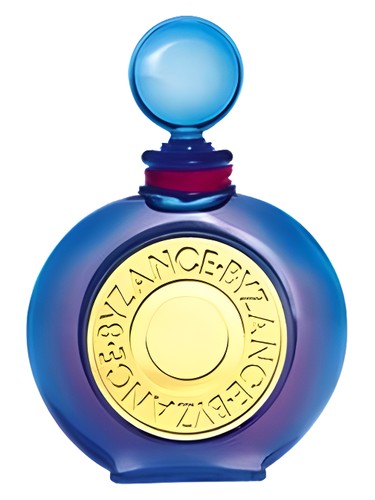
Byzance deserves its 4.25 rating as a masterpiece of its era—complex, confident, and utterly uncompromising. Is it for everyone? Absolutely not, and that''s precisely the point. This is a fragrance that demands you rise to its level rather than adjusting itself to contemporary tastes.
For those who love the grand, spicy-floral orientals of the late ''80s, Byzance is essential wearing. For younger perfume lovers curious about what "they don''t make them like they used to" actually means, this is your education in a bottle. And for anyone who''s ever felt that modern perfumery plays it too safe, too focus-grouped, too afraid of offense—Byzance is your antidote.
Fair warning: this isn''t a fragrance that does subtlety. But on a December evening, when you want to feel like the most interesting person in the room, there are few better choices. Thirty-five years after its launch, Byzance remains what it always was: unapologetically, gloriously too much—in exactly the right way.
AI-generated editorial review