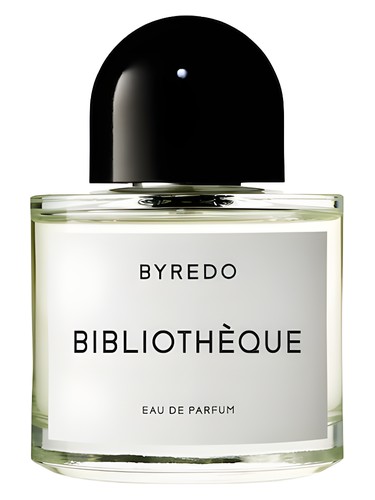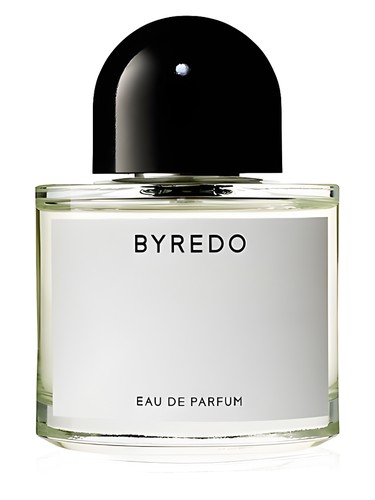
First Impressions
There''s something quietly subversive about a fragrance that opens with gin. Not juniper berries cloaked in botanical ambiguity, but the unmistakable clarity of gin itself—crisp, slightly medicinal, tinged with the bite of pink pepper. Byredo''s self-titled 2016 release doesn''t ease you in; it announces itself with a cocktail-hour confidence before pivoting sharply into something altogether softer. That first spray delivers a jolt of aromatic freshness that feels more apothecary than perfume counter, a calculated risk that either intrigues or alienates. There''s no middle ground in those opening moments, just the sharp intake of breath before the fragrance begins its metamorphosis into something unexpectedly tender.
The Scent Profile
The journey from that gin-laced introduction to the heart reveals Byredo''s true intent. This isn''t about maintaining the sharp edges of the opening—it''s about the contrast. As the initial alcoholic brightness dissipates, violet emerges with its characteristic sweetness, tempered immediately by the sophisticated earthiness of orris root. These two notes form the soul of the fragrance, creating a powdery embrace that dominates the wear time. The violet never veers into candy territory; the orris sees to that, grounding it with its butter-soft, slightly woody character that iris devotees will recognize immediately.
The base is where this fragrance commits fully to its woody identity. Balsam fir brings a resinous greenness that feels like stepping into a forest after rain, while oakmoss adds that classic chypre-adjacent earthiness that vintage perfume lovers crave. Together, they create a foundation that''s simultaneously cozy and wild, familiar yet untamed. The progression isn''t dramatic—this is no shape-shifter that reinvents itself hour by hour. Instead, it''s a gradual softening, a slow fade from aromatic boldness to powdery woods, like watching daylight dim through tree canopy.
The dominant accords tell the story clearly: woody at full strength, powdery at 80%, with violet and aromatic elements providing the character notes. There''s an iris quality at nearly 50% intensity and an earthy undercurrent at 40% that keeps everything from floating away into pure softness. It''s a composition that refuses to pick a lane—neither fully feminine nor challenging convention, neither strictly natural nor overtly synthetic.
Character & Occasion
This is spring''s fragrance, first and foremost. The data confirms what the nose suggests: a 99% seasonal alignment with spring''s temperamental moods, those days that can''t decide between fresh and warm, bright and contemplative. Summer claims it at 75%, while fall holds moderate interest at 66%. Winter barely registers, and rightfully so—this isn''t a fragrance built for cold weather''s demands.
The day-versus-night split is even more telling: 100% suited for daytime wear, dropping to a mere 38% for evening. This is a workday companion, a running-errands scent, a lunch-with-friends fragrance. It lacks the intensity or seductive pull for evening drama, but that''s precisely its strength. In an age where projection is often confused with quality, Byredo offers restraint. It stays close, creating an intimate scent bubble rather than announcing your arrival.
Who should reach for this? Those who prefer their fragrances whispered rather than broadcast. The office-appropriate crowd. Anyone building a wardrobe of spring scents beyond the obvious citrus-and-florals route. People who appreciate perfumery''s quirkier moments—that gin opening—but ultimately want wearability over avant-garde experimentation.
Community Verdict
The Reddit fragrance community''s relationship with Byredo as a brand is complicated, registering a middling sentiment score of 6.5 out of 10 across 35 opinions. The appreciation is real—there''s genuine admiration for the house''s unique concepts and standout performers like Bal d''Afrique—but so is the frustration. The elephant in the room is performance. Poor longevity and weak projection plague many Byredo offerings, a complaint that surfaces repeatedly. For a brand positioned at the premium end of the market, lasting through lunch would seem a reasonable expectation.
The Puig acquisition hangs over discussions like a shadow. Long-time fans mourn the shift toward safer, more commercial releases and the discontinuation of beloved fragrances. The discovery sets draw particular criticism for their high price-to-value ratio, making exploration prohibitively expensive for the curious.
Yet the brand maintains its defenders, particularly those who value skin scents over sillage monsters. For office wear and subtle daily rotation, Byredo delivers what many seek: clean, pleasant, understated fragrances that won''t offend colleagues or overwhelm meetings. The warm-weather crowd appreciates the lighter touch. It''s a brand that rewards a specific preference profile while leaving others cold.
How It Compares
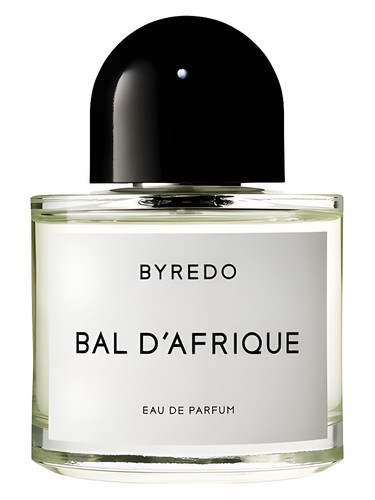
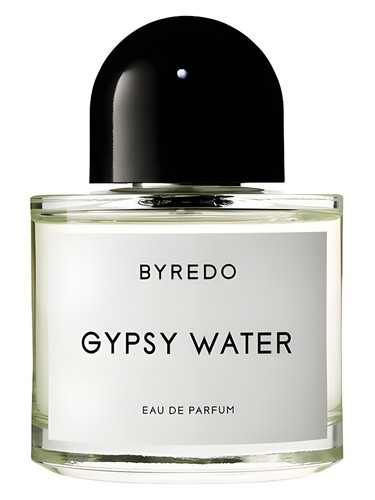
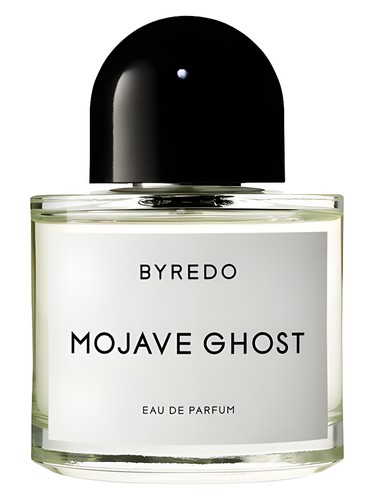
Within Byredo''s own lineup, this fragrance shares DNA with several siblings: the woody warmth of Bal d''Afrique, the earthy minimalism of Gypsy Water, the ghostly presence of Mojave Ghost. Le Labo''s Santal 33 appears in the comparison set, suggesting a similar woody-aromatic aesthetic, while Maison Martin Margiela''s By the Fireplace points to that cozy, contemplative quality in the base.
What distinguishes this particular Byredo is that gin-and-violet pairing—an unexpected combination that gives it a signature other woody-powdery scents can''t claim. It''s less overtly crowd-pleasing than Bal d''Afrique, less aggressively minimal than Gypsy Water, occupying a middle ground that''s either perfectly balanced or frustratingly indecisive, depending on your perspective.
The Bottom Line
A rating of 3.93 from 775 voters tells a story of respectability without rapture. This is a good fragrance that stops short of greatness, a well-executed idea that doesn''t quite transcend its concept. The value proposition stumbles where most Byredo fragrances do: if longevity matters to you, that premium price tag becomes harder to justify. You''re paying for the bottle design, the brand cache, and the interesting opening, then watching it fade faster than you''d like.
Who should try it? Violet lovers curious about less conventional interpretations. Woody fragrance fans seeking something with more personality than another vetiver-cedar exercise. Anyone building a spring wardrobe who wants something genuinely different for daytime wear. Those for whom perfume is a personal pleasure rather than a projection sport.
Who can skip it? Longevity obsessives. Value seekers. Anyone wanting their fragrances loud. Those who find powder and iris tiresome.
It''s a fragrance that knows exactly what it is—a sophisticated, slightly odd daytime companion for warm weather—and executes that vision with precision if not perfection. Sometimes that''s enough.
AI-generated editorial review