First Impressions
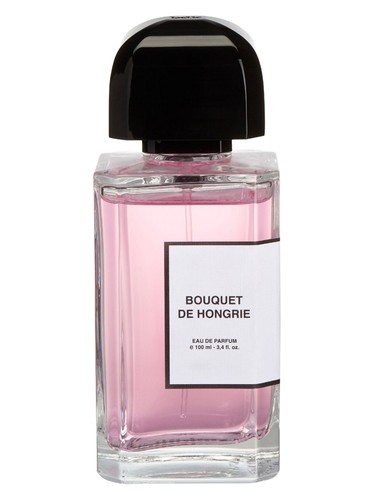
The first spray of Bouquet de Hongrie is an unapologetic celebration—a cascade of ripe pear and strawberry that practically sparkles on the skin, brightened by the tart punch of cassis. This is not a fragrance that whispers; it announces itself with the exuberance of walking into a sunlit Hungarian garden at the height of spring. The initial burst leans decidedly sweet, almost candied, yet there''s enough juicy brightness to keep it from tipping into cloying territory. Within moments, you understand this is a perfume designed for joy, for warmth, for those days when subtlety feels like the wrong choice entirely.
The Scent Profile
Bouquet de Hongrie follows a classic fruity-floral trajectory, though it does so with conviction. That opening trio of pear, strawberry, and cassis dominates the first fifteen minutes with remarkable intensity—the pear offering a succulent sweetness, the strawberry contributing jammy ripeness, and the cassis adding a sophisticated dark berry sharpness that prevents the composition from reading as purely dessert-like.
As the fruit begins to settle, the heart reveals itself with Turkish rose and jasmine sambac forming the floral core. The rose here isn''t the green, thorny variety of classic perfumery, but rather a softer, sweeter interpretation that seems almost candied by its proximity to those persistent top notes. The jasmine sambac adds a creamy richness, though it never quite achieves the heady indolic quality the note is capable of producing. There''s also Lorenox in the heart—a proprietary molecule that contributes to the overall sweetness and longevity.
The base is where Bouquet de Hongrie finds its grounding. Musk provides the dominant foundation—soft, skin-like, and enveloping—while amber adds warmth without veering into heavy oriental territory. Cedar appears as the woody anchor, though it''s polished and refined rather than prominently forest-like. This combination creates a powdery-musky dry down that feels comfortable and familiar, like a well-loved cashmere sweater worn on the first genuinely warm day of the year.
What''s notable is how the fruit never entirely disappears. Even hours into wear, traces of that pear-strawberry sweetness persist, woven through the musky base in a way that maintains the fragrance''s cheerful character from start to finish.
Character & Occasion
The data tells a clear story: Bouquet de Hongrie is a spring and summer perfume, scoring 100% and 84% for those seasons respectively. This makes perfect sense. The sweetness and fruitiness that define its character feel misplaced in the crisp air of autumn or the depth of winter, but they absolutely sing when temperatures rise and days lengthen.
With a 93% day wear rating versus just 15% for night, this is decidedly a daytime fragrance. It''s office-appropriate if your workplace skews casual and friendly, perfect for weekend brunches, ideal for outdoor spring weddings and garden parties. There''s an effortless, optimistic quality to it that feels out of step with evening sophistication or nighttime mystery.
This is a feminine fragrance in the traditional sense—sweet, floral, and pretty without apology. It would suit someone who gravitates toward the cheerful rather than the brooding, who appreciates being noticed without demanding attention, who finds joy in unabashed femininity.
Community Verdict
With a rating of 3.78 out of 5 from 1,130 voters, Bouquet de Hongrie sits comfortably in "well-liked" territory without reaching "beloved masterpiece" status. This is a solid score that suggests broad appeal rather than polarization. The fragrance clearly has its admirers—those 1,130+ votes indicate genuine interest and engagement—but the sub-4.0 rating hints that it may not convert everyone who tries it.
The most likely critique? That dominant fruity-sweet character (100% fruity accord, 62% sweet) won''t appeal to those seeking complexity or edge. But for what it aims to be—a radiant, mood-lifting fruity floral—it evidently succeeds more often than it misses.
How It Compares
Bouquet de Hongrie finds itself in illustrious company. Its similarity to Delina and Delina Exclusif by Parfums de Marly is particularly telling—these are the reigning champions of the modern fruity-rose category, beloved for their litchi-rose sweetness and impressive projection. Bouquet de Hongrie offers a similar aesthetic at a somewhat more accessible price point, trading some of Delina''s luxurious depth for bright, uncomplicated cheerfulness.
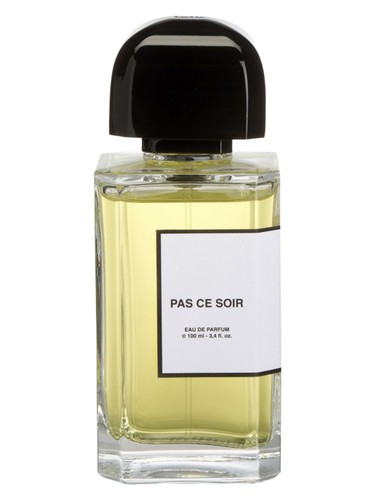
The comparison to Chanel''s Chance Eau Tendre positions it among respectable mainstream options, while its kinship with BDK''s own Pas Ce Soir suggests a house signature of accessible, wearable elegance. The mention of Musk Therapy by Initio points to that prominent musky base that gives Bouquet de Hongrie its soft, enveloping quality.
The Bottom Line
Bouquet de Hongrie is a fragrance that knows exactly what it wants to be: a bright, sweet, fruit-forward rose perfume for warm weather and sunny dispositions. It doesn''t reinvent the wheel, nor does it try to. Instead, it offers a well-executed version of a popular style at what appears to be a fair value proposition compared to its pricier cousins.
The 3.78 rating reflects its nature—this is a very good fragrance rather than a groundbreaking one. It will delight those who adore sweet fruity florals and leave cold those who don''t. There''s no shame in that clarity of purpose.
If you love Delina but want something slightly less ubiquitous, if Chance Eau Tendre speaks to your soul but you crave something a touch more niche, if you simply want a reliable warm-weather fragrance that makes you smile when you catch it on your wrist—Bouquet de Hongrie deserves a spot on your testing list. Just save it for spring mornings and summer afternoons, when its sun-soaked sweetness can truly shine.
AI-generated editorial review