First Impressions
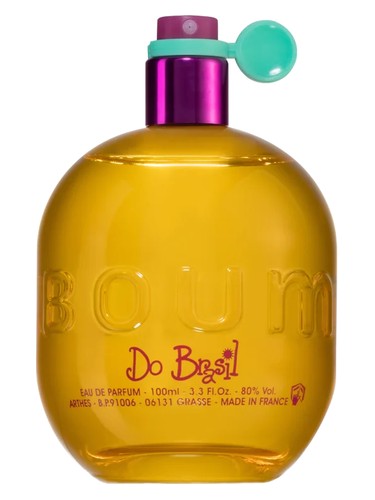
The first spritz of Boum Do Brazil transports you directly to a sun-drenched Brazilian coastline, where coconut water splashes against skin still warm from the beach. This is no subtle introduction—Jeanne Arthes opens with an exuberant burst of tropical sweetness that announces itself without hesitation. The coconut water accord mingles with creamy tiare flower and a whisper of tangerine, creating that unmistakable vacation-in-a-bottle feeling. It''s cheerful, youthful, and wholly unapologetic about its gourmand intentions. Within moments, you understand this fragrance''s mission: to capture the essence of carefree Brazilian summers with all the sugary, sun-kissed bliss that entails.
The Scent Profile
The opening act balances freshness with indulgence remarkably well. While coconut water provides an aquatic, refreshing quality, the tiare flower—that quintessentially tropical white bloom—adds a soft, honeyed floralcy. The tangerine is barely there, more of a citrus suggestion than a statement, just enough to keep the coconut from feeling too heavy in these initial moments.
As Boum Do Brazil settles into its heart, the fragrance reveals its true gourmand nature. This is where things get deliciously unconventional: a biscuit note emerges, bringing with it the comforting warmth of fresh-baked cookies. Paired with coconut milk (richer and creamier than the opening''s coconut water), this combination evokes memories of Brazilian coconut sweets and tropical desserts. Heliotrope weaves through the composition, contributing its characteristic almond-like powderiness that softens the sweetness and adds vintage charm. The heart is undeniably dessert-like, yet the coconut milk keeps it tethered to that beachy, tropical identity.
The base notes round out the experience with predictable but effective players. Vanilla amplifies the sweetness—and given that vanilla registers at 86% in the accord profile, it''s clearly a dominant force throughout the fragrance''s development. Musk provides a soft, skin-like quality that prevents the composition from becoming too cloying, while sandalwood adds subtle woody warmth. These base notes don''t reinvent the wheel, but they create a comfortable, long-lasting foundation that allows the sweeter elements to shine without overwhelming the senses entirely.
Character & Occasion
Boum Do Brazil knows exactly what it is: a summer fragrance through and through. With summer seasonality rating at a perfect 100%, this is the olfactory equivalent of flip-flops and sundresses. It thrives in warm weather when its tropical sweetness feels natural and refreshing rather than overwhelming. Spring comes in at a distant second (45%), suggesting it could work during warmer spring days, while fall (39%) and winter (26%) show that most wearers wisely reserve this for genuinely warm weather.
The day versus night split tells an even clearer story: 96% day wear versus just 19% night. This is a casual, daytime companion—perfect for beach outings, summer brunches, poolside lounging, or any situation where sophistication takes a backseat to fun. It''s not trying to be your elegant evening scent or your office power fragrance. Instead, it occupies that valuable niche of carefree, feel-good perfumes that simply make you smile.
The dominant sweet accord (100%) combined with strong vanilla (86%) and coconut (78%) notes means this skews decidedly young and playful. It''s marketed as feminine, and its unabashed sweetness and tropical character fit squarely within that traditionally feminine gourmand category. Those who prefer clean, minimalist, or sophisticated fragrances should look elsewhere—Boum Do Brazil wears its heart on its sleeve, and that heart is covered in coconut frosting.
Community Verdict
With 381 votes tallying to a 3.7 out of 5 rating, Boum Do Brazil sits comfortably in respectable territory. This isn''t a universally acclaimed masterpiece, nor is it a disappointment. Instead, it''s exactly what it promises to be, and the community seems to appreciate that honesty. The rating suggests that those who seek out sweet, tropical gourmands find plenty to love, while those expecting complexity or evolution might find it one-dimensional. Nearly 400 votes indicate solid interest and trial among fragrance wearers—a respectable showing for a 2022 release from an accessible brand like Jeanne Arthes.
How It Compares
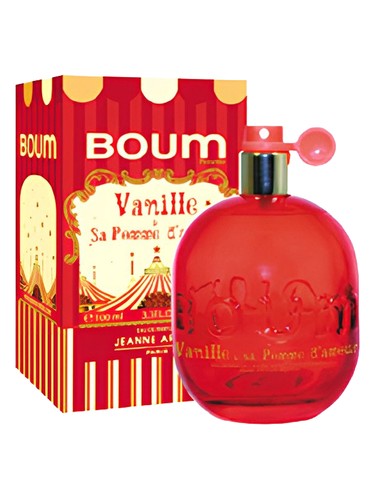
The similar fragrances list reads like a who''s who of modern sweet blockbusters. Cloud by Ariana Grande shares that airy, sweet sensibility, though with more emphasis on lavender and praline. Hypnotic Poison by Dior brings vanilla and almond to the table but with significantly more sophistication and complexity. Devotion by Dolce&Gabbana offers vanilla richness with hazelnut and orange blossom, positioning itself at a higher luxury tier. Yara by Lattafa Perfumes occupies similar gourmand territory with its sweet vanilla heart, while Boum Vanille Sa Pomme d''Amour from Jeanne Arthes'' own line suggests the brand has found success in this sweet, playful category.
Within this constellation of sweet fragrances, Boum Do Brazil distinguishes itself through its specifically tropical, coconut-forward identity. It''s less complex than Hypnotic Poison, more overtly beachy than Cloud, and more affordable than Devotion, carving out its own sunny corner of the gourmand market.
The Bottom Line
Boum Do Brazil delivers exactly what''s printed on the label: an unapologetically sweet, tropical escape that prioritizes fun over sophistication. At its price point—typical for Jeanne Arthes'' accessible range—it represents solid value for anyone seeking a carefree summer scent without investment-level commitment. The 3.7 rating reflects its straightforward nature: it won''t change your life, but it might make your summer days a little brighter.
This fragrance deserves a test spray if you love coconut, embrace sweetness without reservation, and want a scent that captures vacation vibes. Skip it if you prefer subtle, complex, or evening-appropriate fragrances. Boum Do Brazil knows its audience and serves them well—sometimes that''s exactly what a fragrance needs to do.
AI-generated editorial review