First Impressions
The first spray of Bottega Veneta is an exercise in contradiction—simultaneously soft and assertive, refined yet primal. Pink pepper crackles against bergamot''s citrus brightness, but this opening is merely a curtain-raiser for what lies beneath. Within moments, the fragrance reveals its true nature: this is leather, unapologetically dominant at 100% on the accord scale, but rendered with such sophistication that it feels more like a second skin than an accessory. There''s an earthy richness here (88%) that grounds the composition immediately, hinting at the mossy, woodland floor character that will define the next several hours on your skin.
This isn''t the sharp, new-car leather of modern masculines or the sweetened, gourmand-laced leather of crowd-pleasers. This is buttery, worn-in, slightly animalic leather—the kind that speaks of Italian craftsmanship and old-world luxury, which makes perfect sense given the house behind it.
The Scent Profile
Bottega Veneta''s structure follows a deceptively simple trajectory that belies its complexity. The pink pepper and bergamot opening provides just enough brightness to prevent the composition from feeling heavy-handed from the start. The pepper adds a subtle, almost metallic tingle, while the bergamot contributes a fleeting whisper of Earl Grey tea before both retreat into the background.
The heart belongs entirely to jasmine—a single floral note carrying the middle act. But this isn''t jasmine in full bloom, indolic and heady. Instead, it''s muted, almost shadowed by the leather that''s already begun its ascent. The jasmine serves as a bridge, a moment of softness that prevents the transition from top to base from feeling too abrupt. It''s delicate work, this balancing act, and it succeeds in keeping the fragrance from skewing too masculine despite its leather dominance.
The base is where Bottega Veneta truly establishes its identity. Leather takes center stage, supported by a triumvirate of earthy players: oak moss, patchouli, and more leather. The oak moss brings that classic chypre character—green, slightly bitter, undeniably elegant. The patchouli (78% on the accord scale) adds depth without the hippie-shop sweetness, reading more as dark soil than incense. There''s a woody quality (75%) that weaves through everything, and an animalic edge (52%) that gives the leather its lived-in, skin-like quality. This base has remarkable tenacity, one of the signature traits that earned the original line its devoted following.
Character & Occasion
The data tells a clear story about when Bottega Veneta thrives: this is overwhelmingly a fall fragrance (100%), with strong winter credentials (65%) and passable spring performance (48%). Summer wearers are rare (22%), and for good reason—this is a fragrance that needs cooler air to breathe properly. In heat, that leather-patchouli combination risks becoming oppressive.
Interestingly, while it skews heavily toward daytime wear (86%), it maintains respectability for evening occasions (50%). This versatility speaks to the fragrance''s refined character—it''s sophisticated enough for professional settings yet possesses enough depth and intrigue for dinner or cultural events. The leather never shouts; it whispers expensive things.
The feminine classification feels almost incidental. This fragrance would work beautifully on anyone drawn to chypre structures, leather accords, and earthy compositions. It''s for those who appreciate subtlety over projection, longevity over sillage, and complexity over immediate gratification.
Community Verdict
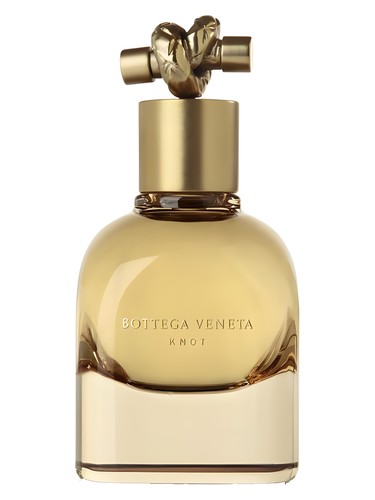
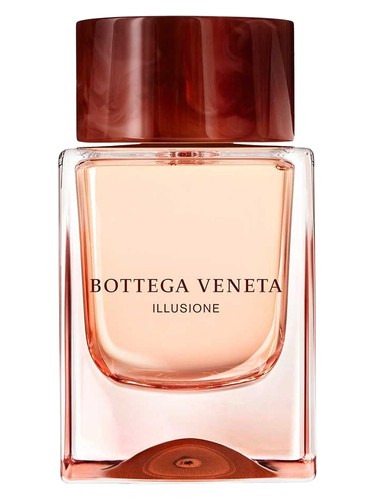
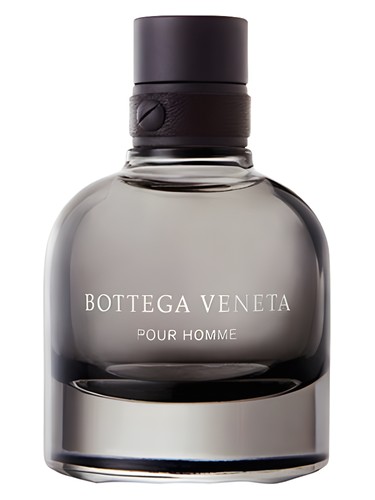
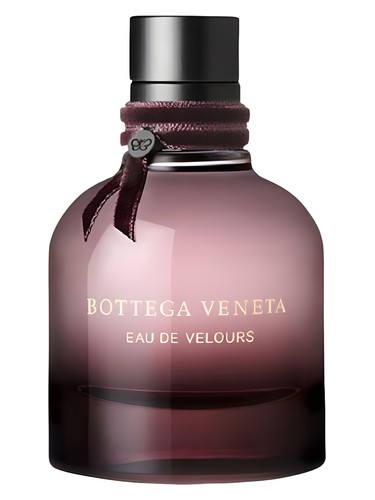
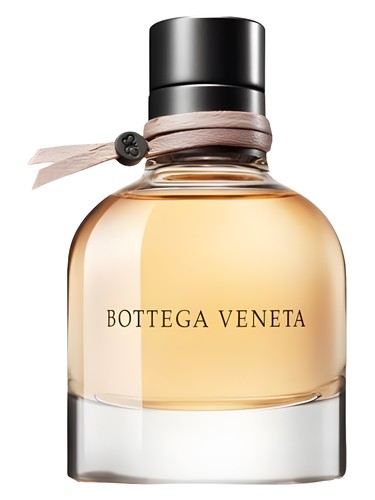
The community sentiment around Bottega Veneta is decidedly mixed (6.5/10), but context is everything. The original line, which included this 2011 release, earned a cult following for its excellent longevity and unique scent profiles. Users praised the sophisticated, unconventional approach and the obvious quality of ingredients. The bottles and packaging received particular acclaim for their attention to luxury detail—aesthetically beautiful without being ostentatious.
Then came late 2024, and everything changed. The entire original fragrance line was discontinued, leaving devoted customers scrambling for backups and expressing genuine disappointment online. The brand launched a new 2024 collection with a dramatically different price point—approximately five times higher than the original line. While community members acknowledge the new fragrances are well-crafted and interesting, there''s palpable resentment that much of the cost increase seems allocated to bottle aesthetics rather than fragrance innovation. The reformulated scents aren''t viewed as adequate replacements for beloved discontinued fragrances.
The result is a fragrance community caught between nostalgia for what was and cautious curiosity about what is. This original Bottega Veneta stands as a reminder of what the house achieved before the reinvention.
How It Compares
The similar fragrances reveal Bottega Veneta''s pedigree: Tom Ford''s Black Orchid, Dior''s Dune, Chanel''s Coco Mademoiselle and Coco Noir, Guerlain''s Shalimar. These are heavyweight luxury names, classic chypres and orientals that prioritize sophistication over trendiness. Bottega Veneta holds its own in this company, perhaps leaning more decisively into leather than most of its comparisons while maintaining the earthy, mossy backbone that defines the category.
Where it distinguished itself was in its quiet confidence—less bombastic than Black Orchid, more grounded than Shalimar, earthier than Coco Mademoiselle.
The Bottom Line
With a rating of 4.17 out of 5 from over 7,000 votes, Bottega Veneta clearly resonated with those who experienced it. This is a strong rating for a fragrance that makes no concessions to mass appeal—no sweetness, no fruity modifiers, no safety nets.
The tragedy is accessibility. As a discontinued fragrance, finding authentic bottles grows more challenging and expensive. For those who can locate it, this remains an excellent choice for anyone seeking a sophisticated leather chypre with genuine character and impressive longevity. It''s particularly suited to luxury gift-giving (for recipients who appreciate unconventional scents) and for those building a collection of niche Italian craftsmanship.
The value proposition has shifted entirely to the secondary market now, where prices vary wildly. If you encounter a reasonably priced bottle and appreciate earthy, mossy, leather-forward compositions, don''t hesitate. This is a fragrance that deserved better than discontinuation—a genuine loss in the shift toward brand reinvention and premium pricing strategies.
AI-generated editorial review