First Impressions
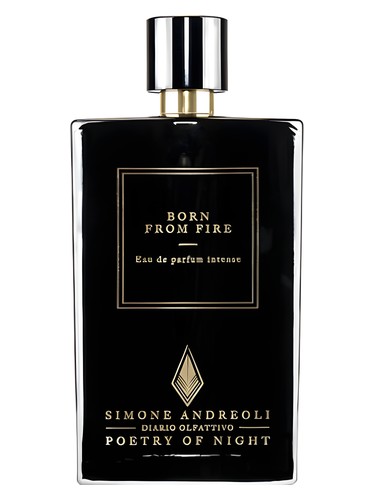
The name promises drama, and Born From Fire delivers on that pledge from the moment it touches skin. This is no shy whisper of rose petals drifting on a breeze—it''s a full-throated declaration. The opening is unapologetically bold, announcing itself with a rose accord that dominates at full intensity, but this is rose reimagined through smoke and flame. There''s an immediate warmth that suggests the fire in its name isn''t merely metaphorical. Within moments, the vanilla begins its seductive dance with woody undertones, creating an intriguing tension between soft sweetness and something more primal lurking beneath.
The Scent Profile
Without specified note breakdowns, Born From Fire reveals itself through its dominant accords, and what a lineup they present. Rose commands the composition at 100%, but this isn''t your grandmother''s rose garden. The vanilla follows closely at 90%, creating a gourmand foundation that could tip saccharine were it not for the robust woody accord at 89% providing structure and depth.
The heart of this fragrance lives in contradiction. As it settles, the sweetness (75%) becomes more apparent, but it''s tempered by the inclusion of oud at 71%—that polarizing Middle Eastern resin that adds depth, darkness, and sometimes controversy to any composition it graces. This isn''t the barnyard funk of pure oud oil, but rather a more refined interpretation that adds gravitas without overwhelming.
The base reveals amber at 68%, rounding out the experience with that classic warm, resinous glow that extends the fragrance''s life on skin. The interplay between vanilla''s creamy sweetness and amber''s golden warmth creates a cocoon effect, while the oud and woody notes ensure this never becomes too comfortable or predictable. It''s a non-linear journey, as community feedback suggests—one that shifts and morphs throughout its wear, revealing different facets depending on skin chemistry and environment.
Character & Occasion
Here''s where Born From Fire defies easy categorization. Marketed as a feminine fragrance, its bold oud and woody components suggest a more unisex appeal—perhaps even leaning masculine in its confidence. The data shows it as suitable for all seasons, which makes sense given its complex profile. The vanilla and amber provide enough warmth for winter evenings, while the rose keeps it fresh enough for spring and summer wear.
Interestingly, there''s no strong skew toward day or night wear in the usage data, which speaks to its versatility—or perhaps to its niche appeal. This is the kind of fragrance that works best when you''re already confident in your scent choices. It''s for those who''ve moved beyond safe crowd-pleasers and are ready to make a statement. Evening wear seems its natural habitat, particularly for dinner dates, cultural events, or any occasion where you want to leave an impression that lingers after you''ve left the room.
Spice and oud lovers will find much to appreciate here, as will anyone drawn to bold, challenging rose compositions. This isn''t a beginner''s fragrance—it assumes familiarity with fragrance families and a willingness to embrace complexity.
Community Verdict
The community response tells an honest story: a mixed sentiment with a score of 5.5/10 based on six opinions. That''s not damning, but it''s far from enthusiastic. The fragrance has earned praise for its distinctive spicy oud rose combination, with comparisons to Fenty''s offerings suggesting it holds its own against more hyped releases. Reviewers appreciate its non-linear character and the journey it takes wearers on throughout the day.
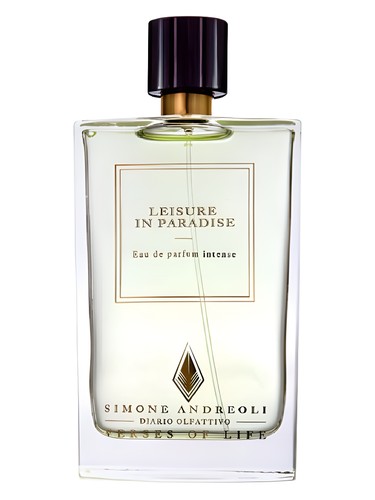
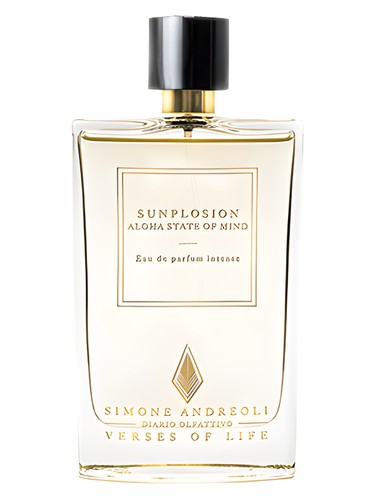
However, the cons are significant. Limited feedback suggests potential skin chemistry issues—always a concern with oud-heavy compositions. More troubling is the lukewarm reception of other Simone Andreoli fragrances like Sunsplosion and Leisure in Paradise, which may indicate broader consistency issues with the brand. The lack of strong consensus or enthusiastic endorsement suggests Born From Fire hasn''t found its tribe yet, or perhaps that tribe is simply smaller than mass-market appeal would demand.
With a 3.9/5 rating from 350 votes, it sits in respectable middle territory—liked by many, loved by fewer, but rarely truly disliked.
How It Compares
The listed similar fragrances read like a greatest hits of contemporary niche perfumery: By the Fireplace''s cozy smokiness, Ani''s vanilla-ginger warmth, Red Tobacco''s spiced richness, Portrait of a Lady''s rose-patchouli sophistication, and Angels'' Share''s cognac-soaked opulence. This is ambitious company, and it suggests Born From Fire is aiming for the same sophisticated, uncompromising audience.
Where it differs is in its particular cocktail of rose, vanilla, and oud—a combination that feels more Middle Eastern-influenced than the largely French-inspired comparisons. It''s perhaps less refined than Portrait of a Lady, less crowd-pleasing than Angels'' Share, but potentially more daring than any of them.
The Bottom Line
Born From Fire is a fragrance that lives up to its name in spirit if not always in execution. It''s bold, uncompromising, and divisive—qualities that will attract some wearers while repelling others. The 3.9/5 rating suggests it delivers quality and interest, even if it doesn''t achieve universal appeal.
At this price point and concentration (unspecified but presumably eau de parfum given the intensity), it''s a considered purchase rather than an impulse buy. The mixed community sentiment suggests sampling before committing to a full bottle is essential—this is very much a "try before you buy" fragrance where skin chemistry will make or break the experience.
Who should seek this out? Those who already love rose-oud combinations, who appreciate Simone Andreoli''s aesthetic, or who want something that splits the difference between traditionally feminine vanilla-rose compositions and masculine oud-woody scents. If you''re drawn to the listed similar fragrances but want something less well-known, Born From Fire offers that insider cachet.
Just be prepared for a fragrance that demands attention rather than requests it—and remember that not every phoenix rises the same way for everyone.
AI-generated editorial review