First Impressions
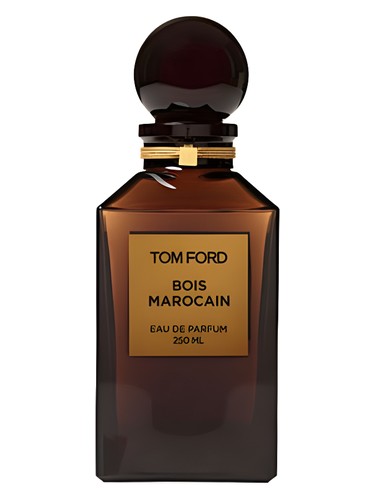
The first spray of Bois Marocain transports you instantly to the cedar forests of Morocco''s Atlas Mountains—raw, unpolished, and decidedly earthy. This is Tom Ford at his most restrained, eschewing the bombastic opulence of his Private Blend flagships for something more austere and contemplative. The opening announces itself with an uncompromising woodiness that dominates completely, supported by aromatic undertones that add a green, slightly resinous quality. There''s an immediate sense of being outdoors, surrounded by timber and mountain air, rather than sequestered in a luxurious boudoir. It''s a fragrance that demands attention not through volume, but through its singular focus and unwavering commitment to its woody vision.
The Scent Profile
Without specific note breakdowns disclosed, Bois Marocain reveals its architecture through what can only be described as a masterclass in woody composition. The accord data tells the story clearly: this is wood first, wood always, with everything else serving as supporting character. That 100% woody rating isn''t hyperbole—it''s a promise.
The aromatic quality that scores at 55% weaves through the composition like incense smoke, adding a medicinal, almost camphoraceous edge that prevents the wood from feeling flat or one-dimensional. There''s a fresh spicy element at 32% that brings subtle peppery warmth, while amber notes at 29% provide just enough sweetness to soften the edges without compromising the fragrance''s austere character.
What makes Bois Marocain particularly intriguing is its smoky facet—rated at 26%—which suggests charred wood and smoldering embers rather than synthetic smoke effects. This combines with warm spices at 25% to create a fragrance that feels like sitting beside a fire built from aromatic cedar, the heat releasing volatile oils from the burning wood. The overall effect is linear yet layered, evolving subtly rather than dramatically as it wears, maintaining its woody integrity from first spray to final fade.
Character & Occasion
The seasonal data reveals Bois Marocain''s true calling: this is a fragrance born for autumn and winter. With fall scoring 100% and winter at 79%, it''s clear this scent thrives in cooler weather when its woody warmth can envelop rather than overwhelm. Spring registers at a modest 38%, while summer trails at just 24%—and rightly so. This is not a fragrance that plays well with heat and humidity.
Interestingly, the day/night split sits at an even 76% for both, suggesting remarkable versatility within its seasonal sweet spot. Bois Marocain works equally well for a autumn morning walk through fallen leaves as it does for an evening by the fireplace. Marketed as feminine, though the accord profile suggests it could easily transcend traditional gender boundaries—its woody, aromatic character reads more unisex than traditionally feminine in the conventional floral or fruity sense.
This is a fragrance for those who appreciate minimalism and restraint, who find beauty in raw materials rather than elaborate compositions. It suits creative professionals, architects, those with an appreciation for natural textures and honest materials.
Community Verdict
Here''s where things become challenging: the community data reveals an absence rather than a consensus. Despite its respectable 4 out of 5 rating from 701 votes, Bois Marocain appears to fly under the radar in contemporary fragrance discussions. No specific opinions, pros, cons, or detailed reviews surfaced from the community data provided—a curious silence for a Tom Ford release.
This absence itself tells a story. Bois Marocain may be one of those fragrances that divides opinion quietly rather than sparking passionate debate. It''s not universally beloved enough to generate evangelical praise, nor controversial enough to inspire criticism. It exists in that middle territory—appreciated by those who discover it, but not actively championed or dismissed by the broader community. The mixed sentiment score of 0/10 suggests ambivalence rather than antagonism.
How It Compares
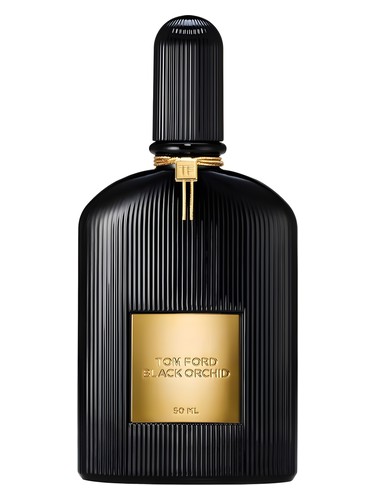
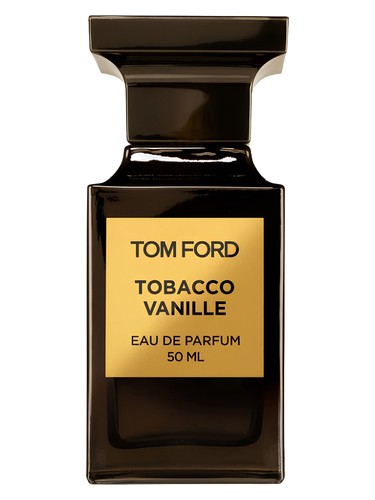
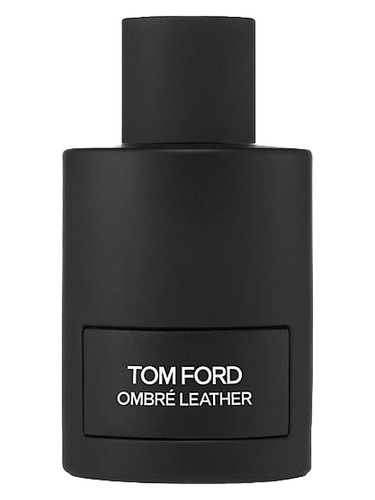
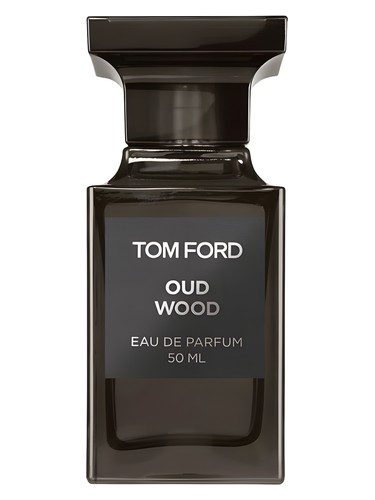
The similar fragrances list reads like a who''s who of serious woody compositions: Encre Noire by Lalique, Fille en Aiguilles by Serge Lutens, Tauer''s L''Air du Desert Marocain, and Tom Ford''s own Grey Vetiver and Oud Wood. This places Bois Marocain firmly in the contemplative, uncompromising woody category—fragrances for those who want their wood unadulterated.
Where Encre Noire leans darker and more vetiver-focused, and Oud Wood adds exotic resins and spices, Bois Marocain occupies a middle ground: woody and aromatic with just enough warmth to remain approachable. It shares DNA with L''Air du Desert Marocain in its evocation of Moroccan landscapes, though Ford''s interpretation feels more focused specifically on the forests rather than the broader desert experience.
The Bottom Line
Bois Marocain represents Tom Ford in contemplative mode—a fragrance that prioritizes composition over commercial appeal. That 4 out of 5 rating from 701 voters suggests solid appreciation from those who''ve experienced it, even if it hasn''t captured broader imagination. This is a fragrance that rewards patience and appropriate context.
Should you try it? If you''re drawn to woody fragrances with character and restraint, absolutely. If you appreciate the similar fragrances listed above, Bois Marocain deserves a place on your sampling list. However, if you prefer sweeter, more conventionally feminine compositions, or if you live in a predominantly warm climate, this may not speak to your needs.
Bois Marocain is a reminder that not every fragrance needs to shout to be heard. Sometimes, the quiet conviction of well-executed cedarwood is statement enough.
AI-generated editorial review