First Impressions
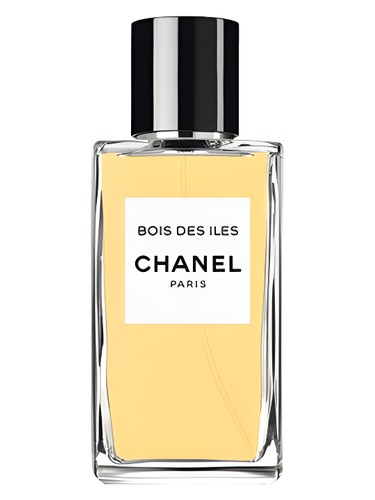
The first spray of Bois des Iles delivers something unexpected from a house often synonymous with aldehydic florals: warmth with a spine of steel. There''s an initial spark of aldehydes and citrus—bergamot and mandarin dancing with neroli—but it''s softer than its famous siblings, more golden hour than high noon. Within moments, a peachy sweetness emerges, rounded by coriander''s subtle spice, creating an opening that feels both vintage and utterly wearable. This isn''t the crisp, soapy aldehydic blast you might anticipate; it''s plush, inviting, and unmistakably refined from the very first moment.
The Scent Profile
Bois des Iles unfolds with the patience of a fragrance that knows its worth. Those opening aldehydes, tempered by the juicy sweetness of peach and the brightness of neroli, create a soft-focus introduction rather than a dramatic entrance. The coriander adds an aromatic edge that prevents the citrus and stone fruit from veering too sweet, while bergamot and mandarin orange provide a Mediterranean brightness.
The heart reveals the fragrance''s true complexity: a carefully orchestrated floral bouquet anchored by ylang-ylang''s creamy richness and iris''s powdery elegance. The orris root contributes a lipstick-like quality that reads as both nostalgic and sophisticated, while jasmine and rose provide classic white floral depth. Lilac and lily-of-the-valley add touches of green freshness, preventing the composition from becoming too heavy or cloying. It''s here that the powdery accord (rating at 80%) becomes most apparent, creating a soft, almost talc-like texture that envelops the wearer.
But it''s the base where Bois des Iles earns its reputation. Sandalwood—creamy, buttery, and of exceptional quality—forms the backbone of this fragrance, fully justifying its 100% woody accord rating. This isn''t the thin, synthetic sandalwood found in so many modern fragrances; it''s rich, milky, and entirely convincing. Amber and benzoin provide golden warmth, while tonka bean and vanilla add sweetness without tipping into gourmand territory. Opoponax contributes a balsamic depth, musk rounds the edges, and vetiver adds a subtle grassy dryness that keeps the composition from becoming too linear. The result is a base that feels both enveloping and refined—comfortable without being casual.
Character & Occasion
The data tells an interesting story: Bois des Iles is overwhelmingly a daytime fragrance (100%), yet it holds its own at night (53%). This versatility speaks to its sophisticated balance—refined enough for professional settings, warm enough for intimate evenings. It''s a fragrance that commands respect without demanding attention.
Seasonally, fall claims the highest rating at 96%, and once you smell it, the reasoning becomes clear. That combination of sandalwood warmth, powdery iris, and amber richness feels tailor-made for crisp autumn days—the olfactory equivalent of a perfectly tailored wool coat. Winter follows at 64%, where its comforting base notes provide welcome warmth. Spring sits at 57%, suggesting the iris and fresh notes can carry it through milder weather, while summer trails at 31%—understandable given its woody richness, though confident wearers could certainly pull it off.
While marketed as feminine, the fragrance community has noted its appeal across gender lines. That exceptional sandalwood and the restraint in the floral heart create a scent that transcends traditional categorization, appealing to anyone who appreciates quality and sophistication.
Community Verdict
The r/fragrance community''s sentiment is overwhelmingly positive, scoring 8.5 out of 10 across 38 opinions—impressive for a group known for critical analysis. The praise centers on one word that appears repeatedly: exceptional. Specifically, reviewers emphasize the sandalwood quality as among the finest available in contemporary perfumery. The sophisticated, refined profile earns consistent acclaim from serious collectors who view it as a benchmark in the woody category.
But there''s a significant caveat that appears in nearly every discussion: the price. At $200-225+ for small bottle sizes, Bois des Iles sits firmly in the premium tier. More troubling for enthusiasts, prices continue to climb year over year, with limited bottle sizes available at this premium level. The community consensus suggests that while the quality justifies luxury pricing, the increasing cost creates a barrier for all but the most dedicated collectors or special occasion purchases. Many users report seeking decants or alternatives rather than committing to full bottles—a telling indicator of the tension between desire and accessibility.
How It Comparisons
Bois des Iles shares company with perfumery royalty: Dune by Dior, Samsara by Guerlain, and even its Chanel siblings like No 5 Parfum and N°5 Eau Premiere. The comparison to L''Heure Bleue places it firmly in the category of vintage-inspired compositions that prioritize complexity and quality over trendy accessibility.
Where it distinguishes itself is in that sandalwood. While Samsara offers sandalwood paired with jasmine in an overtly opulent style, Bois des Iles provides a more restrained, powdery interpretation. Against the aldehydic florals of the No 5 family, it feels warmer and more approachable—less abstract, more wearable.
The Bottom Line
With a rating of 4.34 out of 5 from 1,909 votes, Bois des Iles enjoys near-universal admiration. That''s remarkable longevity for a fragrance, even one bearing the Chanel name. The question isn''t whether it''s good—it demonstrably is—but whether it''s worth the increasingly steep investment.
For serious sandalwood enthusiasts and collectors of classic perfumery, Bois des Iles represents an essential reference point. The quality is undeniable, the composition is masterful, and the wearing experience is sublime. If you have the budget and appreciate woody, powdery fragrances with vintage sensibilities, this deserves a place in your collection.
For everyone else, the honest advice is to sample first—preferably through a decant or boutique sample. The price trajectory shows no signs of reversing, and while the quality may justify the cost, only you can determine if it justifies your cost. Bois des Iles is, without question, exceptional. Whether it''s exceptionally accessible is another matter entirely.
AI-generated editorial review