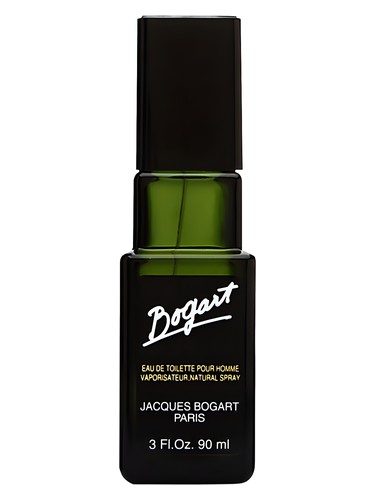
First Impressions
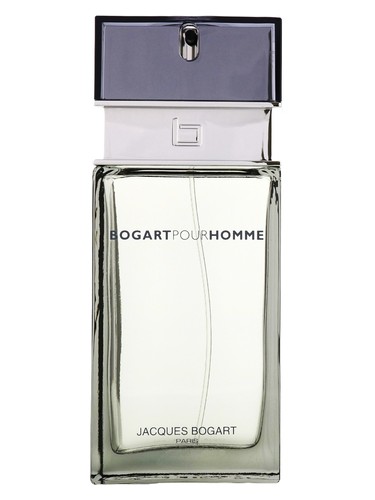
Spritz Bogart onto your skin and brace yourself. This isn''t a fragrance that extends a welcoming handshake—it''s more like a firm shove through a door you weren''t quite ready to enter. The opening hits with an intensity that borders on confrontational, a bracing citrus-aromatic blast laced with something astringent, almost medicinal. This is where Jacques Bogart''s 1975 creation earns its reputation as a polarizing scent. The rosemary, lemon blossom, orange, and yellow mandarin that compose the top notes don''t dance together in harmonious citrus brightness. Instead, they arrive with sharp elbows, demanding attention and testing your resolve. Many will reach for a tissue at this stage. The wise will simply wait.
The Scent Profile
The architecture of Bogart reveals itself as a classic fresh spicy composition—the accord registers at full intensity—married to a substantial leather backbone at 83%. What makes this structure fascinating is how dramatically it transforms across its development.
Those opening citrus and herbal notes, harsh as they may be initially, serve a purpose: they''re the jarring overture to a much more sophisticated composition. As the top notes begin their slow retreat, the heart emerges with considerably more finesse. Here, nutmeg and cloves provide warm, resinous spiciness that tempers the earlier aggression. Geranium adds a slightly soapy, refined quality, while juniper contributes a gin-like botanical sharpness. Lavender weaves through with its aromatic sweetness, and cedar begins building the woody foundation that will anchor everything to come.
But the real revelation happens in the base, where Bogart finally shows its hand. Oakmoss provides that essential mossy accord (46%) that marks this as a product of its era, when such notes were used with generous abandon. Birch brings a smoky, almost tarry quality that contributes to the 46% smoky accord. And then there''s the leather—not the supple lambskin of modern compositions, but a tougher, more animalistic hide. What''s particularly intriguing is how many wearers detect a pronounced almond or cherry note in this stage, a facet not explicitly listed in the composition but emerging from the interplay of these deeper elements. This is where patience pays dividends: the drydown possesses genuine depth and character that the opening never hints at.
Character & Occasion
Bogart positions itself as an all-seasons fragrance, and its 69% woody accord combined with that fresh spicy dominance gives it enough versatility to theoretically span the calendar. However, the community consensus tells a different story. This is emphatically cold-weather territory—a scent that makes most sense when worn with wool and leather, not linen and cotton.
The boldness and intensity also make this a challenging everyday proposition. This isn''t the scent you reach for when running weekend errands or heading to a casual lunch. Bogart demands context: formal occasions, evening wear, moments that call for something distinctive and uncompromising. It''s the fragrance equivalent of a well-tailored suit—overdressed for most situations, but perfect when the occasion matches its ambitions.
The masculine orientation is unmistakable here, rooted firmly in the traditional men''s fragrance vocabulary of the 1970s. While modern sensibilities might encourage anyone to wear anything, Bogart doesn''t particularly care about such democratization. It knows what it is and makes no apologies.
Community Verdict
The r/fragrance community''s mixed sentiment (5.5/10) tells a story of respect tinged with frustration. Based on 23 opinions, the conversation around Bogart centers on that same transformative quality: an opening so harsh it requires hours to settle, followed by a drydown that finally delivers on the promise.
Enthusiasts specifically praise that unique almond-cherry profile that emerges later, along with the bold, distinctive character that makes Bogart memorable when worn at the right time and place. There''s genuine appreciation for what it becomes.
But the criticisms are substantial. That opening isn''t just challenging—many find it genuinely off-putting. Worse, there are widespread concerns about heavy reformulation in recent versions, suggesting that whatever Bogart was in 1975 may not be what you''re getting today. Reports of limited projection and longevity in contemporary batches further dampen enthusiasm. And that boldness, while occasionally perfect, renders this too intense for regular rotation.
The overall rating of 4.05 out of 5 from 1,889 votes suggests that those who''ve made peace with Bogart''s demands generally appreciate what it offers, even if they acknowledge its flaws.
How It Compares
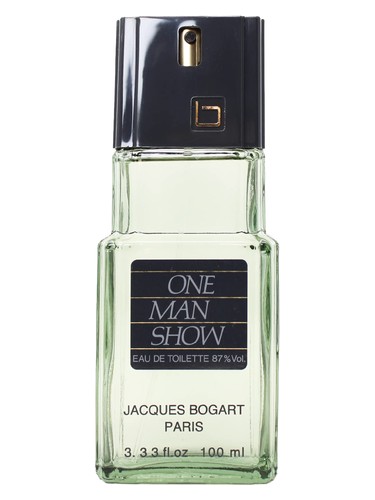
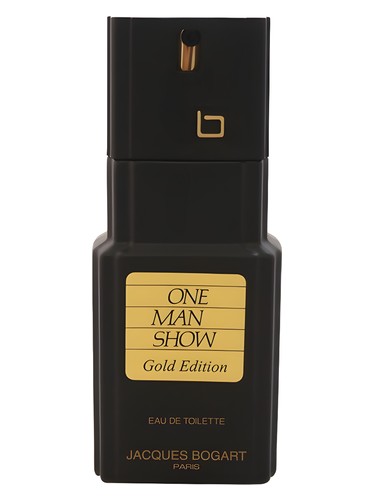
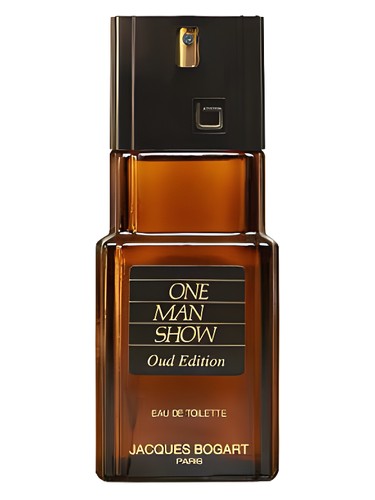
Bogart swims in distinguished company. Its DNA shares territory with Azzaro pour Homme''s aromatic freshness, Antaeus by Chanel''s bold leather-spice character, and Polo by Ralph Lauren''s powerhouse presence. Guy Laroche''s Drakkar Noir offers another point of reference in that fresh-aromatic-woody space. Even within Jacques Bogart''s own line, One Man Show presents a similar aesthetic.
What distinguishes Bogart is perhaps its uncompromising nature—it''s the roughest around the edges of these classics, the least refined in its opening act. Whether that''s a feature or a bug depends entirely on your perspective and patience threshold.
The Bottom Line
Bogart Pour Homme is not a fragrance for the faint of heart or the perpetually rushed. It''s a test of patience that rewards those willing to endure its difficult opening act. That 4.05 rating reflects appreciation from a specific audience: those who value distinctive character over easy wearability, who have occasions that demand something bold, and who don''t mind waiting hours for a fragrance to reveal its better nature.
Should you try it? If you''re drawn to classic masculine leather-spice compositions and don''t need immediate gratification from your fragrances, absolutely. Just don''t judge it in the first hour. If you prefer modern ease and consistent performance, or if you need something for regular wear, look elsewhere. Bogart demands special occasions and patient wearers—if that''s you, this rough diamond might be worth the wait.
AI-generated editorial review