First Impressions
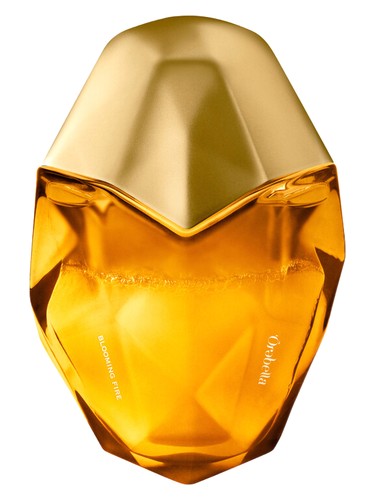
The first spray of Blooming Fire delivers exactly what its name promises—a collision of contrasts that shouldn''t work together, yet somehow do. There''s an immediate warmth that rises from the skin, spiced and woody, before a creamy white floral blanket settles over everything. It''s the olfactory equivalent of discovering jasmine blooms next to a bonfire on a tropical beach at dusk. This is Orebella''s attempt at bottling paradox: the cool elegance of white florals meeting the smoldering intensity of spice and wood, all while winking at tiki-bar exoticism.
The opening moments feel intentionally disorienting. Your nose registers cedar and clove before the bergamot fully announces itself, creating a spiced-wood framework that immediately distinguishes this from typical floral fare. There''s cardamom too, lending a green, almost mentholated quality that keeps the composition from veering too sweet or too heavy. It''s an unconventional greeting for what will ultimately reveal itself as a white floral fragrance.
The Scent Profile
Blooming Fire''s architecture is cleverly inverted. Where most white florals begin with bright citrus and ease you into their creamy heart, this one opens with its defenses up—bergamot, yes, but flanked by cardamom, cedar, and clove leaf like bodyguards. The citrus here isn''t the cheerful, sparkling variety; it''s more subdued, almost shadowed by the spice triumvirate. The clove leaf in particular adds a slightly medicinal, eugenol-rich sharpness that some will find bracing and others might find challenging.
But give it fifteen minutes, and the real story emerges. Jasmine and monoi oil form the heart, and this is where Blooming Fire justifies its 100% white floral accord rating. Monoi—that Tahitian marriage of coconut oil and tiare flowers—brings both tropical sweetness and a sun-warmed skin quality that makes the jasmine feel less like a formal garden and more like vacation. The jasmine itself isn''t the indolic, heady variety that can overwhelm; it''s softer, almost innocent, playing beautifully against the continuing warmth from those opening spices.
The base is straightforward: patchouli. Not the head-shop earthiness some fear, but a refined, slightly sweet patchouli that grounds all that tropical floral business with dark, woody depth. It''s the anchor that prevents Blooming Fire from floating away into pure dessert territory, even as the coconut facets from the monoi oil become more pronounced in the drydown.
Character & Occasion
Here''s where Blooming Fire gets genuinely interesting. The data shows it performs equally across all seasons, and in practice, this makes sense. It has the warmth and spice for cooler weather, but the tropical florals and coconut undertones feel perfectly at home in summer heat. It''s a chameleon that adapts to its environment—wearing denser and spicier in autumn, lighter and more vacation-ready in July.
The day-versus-night conversation is more nuanced. While the data doesn''t show a strong preference either way, this feels like a fragrance that straddles both worlds by being fully committed to neither. It''s perhaps too bold for a corporate office setting but perfectly appropriate for a creative workplace, weekend brunch, or evening plans that start at golden hour. The warm spice (57%) and woody (54%) accords give it enough gravitas for night, while the white floral dominance and tropical notes (54%) keep it from feeling too heavy or sultry for daytime.
This is clearly positioned as a feminine fragrance, and its personality leans into that designation—but anyone drawn to white florals with backbone could pull this off.
Community Verdict
With 489 votes landing at 3.91 out of 5, Blooming Fire sits in that intriguing middle territory: well-liked, but not universally adored. This isn''t a polarizing fragrance—those tend to skew toward extremes—but rather one that seems to reward patience and the right wearer. The rating suggests a composition that''s interesting and well-executed but perhaps too specific in its vision to achieve mass appeal. That''s not necessarily a weakness. Sometimes the most memorable fragrances aren''t the ones everyone loves, but the ones that certain people can''t imagine living without.
How It Compares
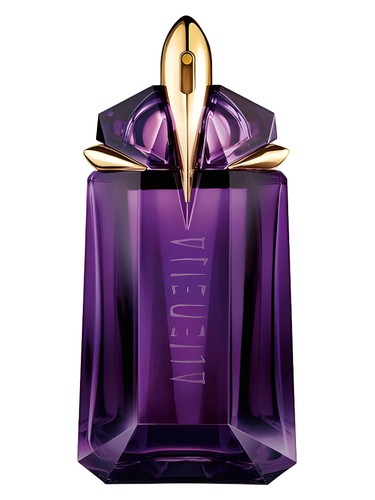
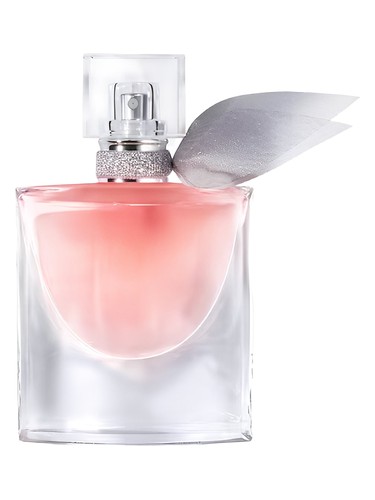
The comparison list reads like a greatest-hits of modern feminine blockbusters: Alien, Libre, Black Opium, Valentino Donna Born In Roma. What these share with Blooming Fire is a willingness to play with contrast—pairing sweet with dark, fresh with warm, feminine with androgynous elements. Like Alien, it centers a specific floral (jasmine) and builds a distinctive world around it. Like Libre, it uses lavender''s aromatic cousin (in this case, clove and cardamom) to add unconventional edge to flowers. The coconut-tropical angle recalls summer limited editions but feels more integral to the composition than a seasonal gimmick.
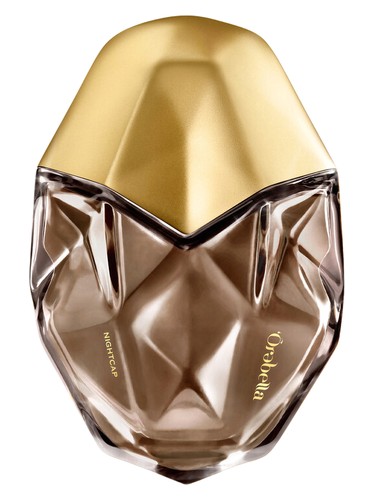
Interestingly, the inclusion of Orebella''s own Nightcap suggests the brand has established a signature approach—perhaps that marriage of unexpected spice with familiar florals.
The Bottom Line
Blooming Fire won''t be everyone''s signature scent, and that''s by design. This is a fragrance with a point of view, one that asks you to appreciate jasmine through a haze of clove smoke and coconut oil. At 3.91/5, it''s earned respect rather than worship—a distinction that might actually make it more interesting than some higher-rated, safer compositions.
Who should seek this out? Anyone tired of white florals that all smell like variations on the same theme. Those who want tropical without going full piña colada. People who appreciate when a fragrance makes them work a little for the payoff. The all-season versatility makes it a practical choice for someone building a focused collection.
Is it revolutionary? No. But Blooming Fire accomplishes something arguably more difficult: it takes familiar elements and arranges them in a way that feels fresh without feeling forced. In 2024''s crowded fragrance landscape, that counts for something.
AI-generated editorial review