First Impressions
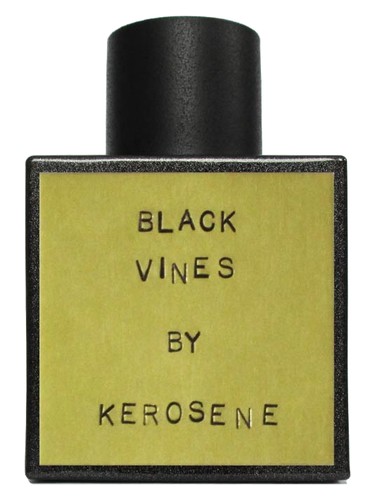
The first spray of Black Vines is a study in contrasts—gentle yet insistent, sweet yet shadowed. Kerosene''s 2014 release opens with an immediate wave of soft spice that feels like velvet wrapped around something darker, more mysterious. There''s an unmistakable anise presence that commands attention without shouting, the kind of licorice-tinged sweetness that either captivates or repels with little middle ground. This isn''t a fragrance that whispers polite introductions; it announces itself with a warmth that feels almost medicinal at first, then melts into something more inviting, like stepping from a bitter cold evening into a dimly lit apothecary.
The Scent Profile
Black Vines presents an interesting challenge: it''s a fragrance defined almost entirely by its dominant accords rather than a clearly delineated note pyramid. Without specified top, heart, or base notes, the scent reveals itself as a cohesive cloud rather than a traditional development story.
The experience is overwhelmingly led by soft spice—a full 100% accord presence that acts as the fragrance''s backbone. But it''s the anise (71%) that truly defines Black Vines'' personality. This isn''t Star Anise''s bright, refreshing take on the note; instead, it feels darker, richer, almost resinous. The licorice quality weaves through everything, sometimes receding, sometimes surging forward, creating an almost hypnotic effect.
Sweetness follows at 40%, tempering the potentially austere spice with just enough sugar to keep things approachable. It''s not gourmand sweetness—there''s no vanilla cream or caramel here—but rather a balsamic warmth (38%) that adds depth and prevents the composition from becoming too sharp or medicinal.
Cinnamon (37%) and warm spice (36%) round out the profile, adding a subtle heat that builds over time. These spices don''t announce themselves as distinctly as the anise does; instead, they create a glowing warmth that feels more atmospheric than specific, like the memory of mulled wine rather than the drink itself.
The fragrance maintains remarkable consistency throughout its wear, which can be either a strength or limitation depending on your perspective. Black Vines doesn''t dramatically transform so much as it gradually softens, the anise becoming less medicinal and more cozy as hours pass.
Character & Occasion
Black Vines knows exactly when it wants to be worn. This is emphatically a cold-weather fragrance, with fall registering at 100% and winter at 92%. Those percentages tell the story of a scent that thrives in temperatures where your breath mists and scarves become necessary. Spring (19%) and summer (8%) wearers need not apply—the density and warmth would feel suffocating in heat.
The day versus night breakdown is particularly revealing: while it technically works during daylight hours (50%), it truly comes alive in evening settings (86%). There''s something about Black Vines that wants dimmed lights, perhaps candlelight, the kind of atmosphere where its anise-spice character can feel intriguing rather than overwhelming.
Marketed as feminine, Black Vines actually reads fairly unisex to many wearers, especially given its spice-forward composition and lack of typical floral femininity. It suits someone who gravitates toward the unconventional, who finds comfort in polarizing notes, and who doesn''t mind being the person in the room wearing something others can''t quite identify.
Community Verdict
Here''s where things get interesting—or rather, where the silence becomes notable. Despite a respectable rating of 3.86 out of 5 from 412 voters on the main fragrance databases, Black Vines hasn''t generated substantial discussion within the Reddit fragrance community based on available data. No specific pros, cons, or detailed community opinions emerged from the surveyed posts, which itself tells a story.
This absence of chatter suggests Black Vines occupies a curious middle ground: performing well enough to earn a solid rating, but not distinctive or accessible enough to inspire passionate online discourse. It''s neither beloved enough to generate evangelical posts nor controversial enough to spark debate. For a fragrance with such a definitive anise presence—typically a love-it-or-hate-it note—this relative silence is perhaps the most revealing data point of all.
How It Compares
Black Vines finds itself in distinguished company among its similar fragrances. The comparison to Maison Martin Margiela''s By the Fireplace makes sense given the cozy, warming spice profile, though Black Vines leans harder into anise where By the Fireplace embraces chestnuts and vanilla.
The mentions of Musc Ravageur and Portrait of a Lady by Frederic Malle position Black Vines in a more opulent, evening-appropriate category, while the comparison to fellow Kerosene creation Broken Theories suggests a brand aesthetic of bold, uncompromising compositions. Ambre Sultan by Serge Lutens shares that balsamic, resinous warmth that makes Black Vines feel like more than just a spice showcase.
Among these comparisons, Black Vines occupies the more affordable, accessible end while maintaining artistic integrity—classic Kerosene territory.
The Bottom Line
Black Vines is a fragrance for the anise-curious and the unapologetically different. That 3.86 rating from 412 voters represents solid appreciation rather than universal love, and that feels accurate. This isn''t a crowd-pleaser, nor does it try to be.
For the right person—someone who finds comfort in licorice-tinged warmth, who wants a fall and winter signature that stands apart from pumpkin spice and generic ambers—Black Vines offers genuine satisfaction. The lack of widespread community discussion might actually be a plus for those seeking something less ubiquitous.
The question isn''t whether Black Vines is "good"—clearly, it succeeds at what it attempts. The question is whether you''re the right audience for its particular brand of soft-spiced, anise-forward intimacy. Sample before committing, preferably on a cold evening when you can let it unfold in its natural habitat. If that first spray intrigues rather than repels, you''ve likely found something special.
AI-generated editorial review