First Impressions
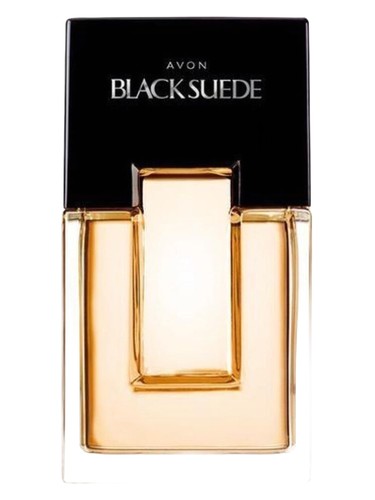
The moment Black Suede hits skin, it announces itself with the unapologetic boldness of early 1980s masculinity. This is not a fragrance that whispers—it proclaims. A spicy-green opening rockets forward, nutmeg and coriander jostling alongside carnation''s peppery bite, while aldehydes lend an almost soapy brightness that feels decidedly vintage. There''s bergamot somewhere in the composition, but it''s nearly overwhelmed by the aromatic assault of green notes and that distinctive, somewhat medicinal carnation accord. This is a scent that arrived in 1980 and has stubbornly refused to evolve with changing tastes, for better or worse.
The Scent Profile
Black Suede''s development follows the classic structure of masculine fragrances from its era, building from that assertive opening into something far more complex—and considerably darker. The top notes don''t linger long before the heart emerges, and what a heart it is. Here, the leather accord makes its presence known, wrapped in a dizzying array of supporting players: clove''s warm spice, orris and violet providing powdery depth, vetiver adding earthy texture, and an unexpected bouquet of florals—rose, ylang-ylang, geranium, heliotrope—that might seem feminine in isolation but here contribute to a rich, almost baroque masculine tapestry. Lavender and thyme add herbal-aromatic dimensions, while cardamom echoes the spicy opening.
The base is where Black Suede reveals its true character. This is a musky, animalic foundation built on civet and musk, sweetened by amber and given earthiness through oakmoss. The suede note—the fragrance''s namesake—emerges here as a soft, napped texture beneath the musk. Opoponax brings a sweet resinous quality, while woodsy notes and a whisper of anise provide the final layers. The result reads as overwhelmingly musky (registering at a full 100% in its accord profile), with strong amber (85%) and powdery (82%) characteristics. It''s warm, spicy, woody—a masculine profile that defined its decade.
Character & Occasion
Black Suede is unequivocally a cold-weather fragrance. The data confirms what the nose already knows: this is virtually made for winter (100%) and fall (98%), dropping to barely wearable in spring (42%) and almost unwelcome in summer heat (24%). Those heavy musk and amber accords, the spice load, the powdery density—all of it demands cooler temperatures to avoid becoming oppressive.
Interestingly, while it leans slightly more toward evening wear (88% night versus 75% day), Black Suede can serve both occasions. The powdery elements and lavender keep it from being exclusively nocturnal, though its projection and intensity certainly suit nighttime better. This is a fragrance for someone comfortable making a statement, someone who doesn''t mind being noticed—or, perhaps more accurately, remembered. Given its drugstore accessibility through Avon, it''s also been a gateway masculine scent for budget-conscious wearers seeking something with more character than generic mall offerings.
Community Verdict
The fragrance community''s relationship with Black Suede is complicated, reflected in a middling sentiment score of 6.2 out of 10 from 43 community opinions. It''s not disliked, exactly—its 3.88 rating from 571 votes suggests respectable appreciation—but enthusiasm is notably restrained.
The praise centers on practical virtues: it''s an affordable drugstore option with legitimately good longevity and projection, punching well above its price point in performance. It has a distinctive character and maintains a loyal following four decades after launch. Vintage bottles carry nostalgic value for collectors seeking authentic 1980s masculine fragrances.
The criticisms are equally telling. Black Suede is polarizing—this is not a crowd-pleaser or safe blind buy. Multiple community members noted difficulty wearing it personally due to strong associations with family members (typically fathers or grandfathers), a testament to both its longevity in the market and its memorability. Perhaps most damning for its legacy: there''s limited modern discussion or enthusiasm compared to other vintage fragrances from its era. It exists in a curious limbo—remembered, but not quite celebrated.
The community consensus positions it as best for budget-conscious fragrance explorers, vintage collectors, and those specifically seeking classic drugstore scents. It''s described as a signature scent that people strongly associate with specific individuals rather than a universally celebrated composition.
How It Compares
Black Suede shares DNA with the powerhouse masculines of its era: Kouros by Yves Saint Laurent, Aramis by Aramis, Obsession for Men by Calvin Klein, Azzaro pour Homme, and Old Spice Original. These comparisons place it firmly in the musky, animalic, unapologetically masculine camp of early 1980s fragrance design. Where it differs is primarily in pedigree and price point—while Kouros and Aramis commanded department store prestige, Black Suede operated in the direct-sales drugstore category through Avon. It offered a similar olfactive experience at a fraction of the cost, which is both its strength and, perhaps, the reason it never achieved the cult status of its more expensive cousins.
The Bottom Line
Black Suede is an anachronism that continues to exist because enough people still want what it offers: an uncompromising, musky, powdery masculine fragrance at drugstore prices. That 3.88 rating from over 500 votes suggests it does what it does well, even if what it does isn''t universally appealing. The performance is there—longevity and projection that shame many modern niche offerings—and the scent itself is genuinely distinctive in today''s homogenized market.
Should you try it? If you''re exploring vintage masculine fragrances on a budget, absolutely. If you loved (or hated) the powerhouse masculines of the 1980s, Black Suede deserves a sample. If you''re seeking something safe, modern, or universally appealing, look elsewhere. This is a fragrance that demands you meet it on its own terms—brash, musky, uncompromising, and stubbornly itself after more than forty years. In an era of focus-grouped mass appeal, that stubborn individuality might be its greatest virtue.
AI-generated editorial review