First Impressions
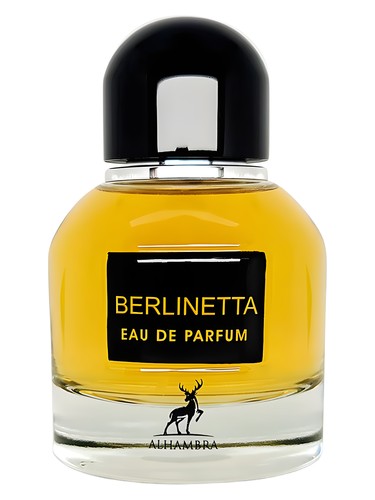
The first spray of Berlinetta feels like biting into a ripe plum while sitting in the driver''s seat of a vintage sports car—all that juicy, purple-skinned fruit mingling with the smell of worn leather upholstery. It''s an immediate contradiction, and a compelling one. Maison Alhambra opens with plum and peach in full force, creating a fruit-forward introduction that dominates the composition at 100% on the fruity accord scale. But there''s something lurking beneath that sweetness, something darker with teeth. The leather accord registers at 79%, making its presence known even in these opening moments, creating tension between indulgence and restraint.
This isn''t a perfume that whispers. It announces itself with confidence, unapologetically feminine yet carrying an edge that keeps it from tipping into purely pretty territory.
The Scent Profile
Those opening fruits—plum leading slightly ahead of peach—possess a natural, realistic quality rather than candy-store artificiality. The plum brings depth and a wine-dark richness, while peach adds a softer, fuzzier sweetness that rounds out the edges. Together, they create an opulent introduction that lasts longer than you might expect from typical fruit notes.
As Berlinetta settles into its heart, violet and peony emerge to bridge the gap between the fruity top and the leather base. The violet contributes significantly to the composition''s 63% powdery accord, bringing that characteristic cosmetic quality—think vintage lipstick cases and pressed face powder. It''s here that the fragrance reveals its complexity. Peony adds a floral freshness that keeps the violet from becoming too retro or cloying, while that 52% violet accord weaving through the entire structure gives the perfume its distinctive character.
The base is where Berlinetta makes its boldest statement. Leather and patchouli form a foundation that''s simultaneously smooth and animalic. That 44% animalic accord adds warmth and skin-like intimacy, preventing the leather from reading as stark or harsh. The patchouli grounds everything with its earthy darkness, while the leather itself—likely synthetic but convincingly rendered—brings structure and sophistication. The overall effect is a sweet-yet-serious composition where fruit and leather maintain their distinct identities while somehow making perfect sense together.
Character & Occasion
Berlinetta is unquestionably a cold-weather companion. The community votes speak clearly: fall receives 100% approval, winter follows closely at 84%, while summer trails significantly at just 21%. This makes complete sense—the combination of sweet fruit and heavy leather wants crisp air and cozy sweaters. In summer heat, this would likely become cloying and overwhelming, but against autumn''s first chill or winter''s bite, it transforms into exactly the kind of enveloping warmth you want.
Interestingly, the day/night split is nearly even—72% day to 74% night—suggesting remarkable versatility within its seasonal constraints. During daylight hours, the fruit and powder accords take center stage, making it appropriate for office wear or lunch dates. As evening falls, the leather and animalic qualities seem to amplify, giving it enough presence for dinner reservations or evening events.
This is marketed as a feminine fragrance, but the leather-fruit combination could easily appeal to anyone drawn to unconventional, personality-driven compositions. It suits someone who wants their presence felt, who appreciates the juxtaposition of soft and strong, sweet and structured.
Community Verdict
With 378 votes landing at 3.96 out of 5, Berlinetta has garnered solid approval from a meaningful sample size. This isn''t a niche darling with cult status, nor is it a widely divisive polarizing experiment. Instead, it occupies that compelling middle ground: a fragrance that clearly works, that delivers on its promise, but perhaps doesn''t revolutionize the genre or achieve universal adoration.
That rating suggests a well-executed composition with broad appeal among those who appreciate this style of fragrance. The relatively high vote count indicates people are actively seeking it out and forming opinions, which speaks to its accessibility and relevance in the current market.
How It Compares
The reference points for Berlinetta span an interesting spectrum. Angel by Mugler shares that fruit-meets-intensity approach, while Black Orchid by Tom Ford occupies similar dark, luxurious territory with its own fruit-leather dynamics. The comparison to Lattafa Perfumes'' offerings—Teriaq and Ajayeb Dubai Portrait—places Berlinetta firmly within the affordable designer alternative space where Maison Alhambra typically operates. Nomade by Chloé offers perhaps the most unexpected parallel, suggesting shared elements in the floral-leather development.
Within its category, Berlinetta distinguishes itself through the prominence of that plum-peach opening. While many leather fragrances use fruit as mere garnish, here it''s structural and essential, making this more approachable than stark leather soliflores while maintaining legitimate depth.
The Bottom Line
Berlinetta succeeds at what it sets out to do: deliver an accessible, wearable fruity-leather fragrance that doesn''t sacrifice character for likability. That 3.96 rating reflects exactly what you get—a very good fragrance that executes its vision competently, if not groundbreakingly.
For someone exploring leather fragrances for the first time, this offers an excellent entry point with its sweet fruit buffer. For leather devotees, it provides a softer, more versatile option for situations where full-strength leather might overwhelm. The value proposition depends on Maison Alhambra''s typical pricing strategy, but given the brand''s position in the market, this likely offers significant bang for buck.
Try Berlinetta if you''ve ever wanted Tom Ford Black Orchid''s vibe with more fruit and less intimidation, or if you''re seeking a fall fragrance that stands out from the endless parade of pumpkin spice and gourmands. Skip it if you prefer your fruits purely sweet or your leathers uncompromisingly harsh. For everyone in between, there''s much to appreciate in this Italian-named paradox of softness and strength.
AI-generated editorial review