First Impressions
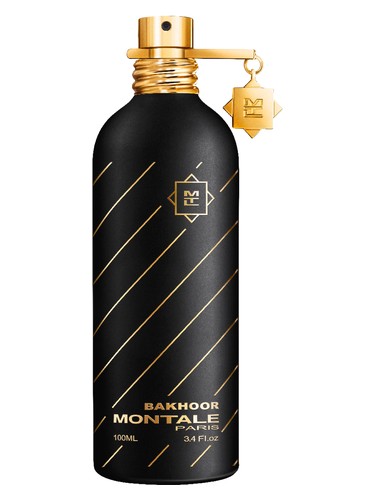
The first spray of Bakhoor is not a whisper—it''s a proclamation. Named after the traditional Arabic incense burned in homes and sacred spaces throughout the Middle East, Montale''s 2018 creation announces itself with the unmistakable density of smoldering resins and aged woods. This is amber at its most assertive, a wall of golden warmth that immediately envelops you in a cloud so rich it feels almost tactile. There''s an immediate understanding that this fragrance, despite its feminine designation, plays by its own rules. The smoke curls upward from the first moment, threading through everything that follows with an insistent, hypnotic presence that demands attention rather than requesting it.
The Scent Profile
What makes Bakhoor particularly fascinating—and challenging—is its mysterious composition. Montale has chosen not to specify the traditional pyramid structure of top, heart, and base notes, leaving us to interpret this fragrance through its dominant accords alone. And what accords they are: amber at full intensity (100%), backed by an almost equally powerful woody presence (95%). This isn''t the amber of delicate skin scents or polite office-friendly fragrances; this is amber as a force of nature, thick with balsamic sweetness (47%) and warm spice (38%).
The woody component doesn''t play second fiddle here—it stands shoulder to shoulder with the amber, creating a structure that feels both ancient and architectural. Think aged oud, sandalwood darkened by time, perhaps cedar worn smooth by centuries of handling. The balsamic quality adds a resinous sweetness that prevents the composition from becoming too austere, while the warm spices—likely echoes of cinnamon, clove, or cardamom—pulse beneath the surface like embers that never quite cool.
Then there''s the smoke (37%), which threads through the entire experience like incense coiling through a temple. It''s not the clean, laundered smoke of some modern fragrances, but something more authentic, more lived-in—the smoke of resins burning on coals, of sacred spaces and ritual. A subtle powdery accord (15%) softens the edges just enough to keep this fragrance from becoming unwearable, adding a whisper of gentleness to an otherwise formidable composition.
The lack of specified notes means Bakhoor reveals itself as a unified whole rather than a journey from top to base. It arrives fully formed and maintains its character with remarkable tenacity, evolving only in intensity rather than character as the hours pass.
Character & Occasion
Bakhoor knows its season and wears it proudly. This is a fragrance designed for fall (100%) and winter (91%), those months when the air turns cold and you crave warmth not just on your skin but in your very soul. Spring wearers are fewer (41%), and summer devotees are a rare breed indeed (21%)—this is simply too dense, too enveloping for heat and humidity.
The day/night data reveals something intriguing: while 65% find it suitable for daytime wear, it truly comes alive in the evening (88%). This makes perfect sense—Bakhoor has the presence and intensity of a fragrance meant for candlelit dinners, evening prayers, or wrapped in cashmere as snow falls outside your window. It''s not aggressive, but it is substantial. Wear it during the day and you''ll carry an aura of mystery; wear it at night and you become the mystery itself.
Despite its feminine classification, this is a fragrance that will appeal to anyone drawn to resinous, woody, amber-forward compositions. It shares more DNA with traditional Middle Eastern attars and incense-heavy unisex fragrances than with conventional Western feminines.
Community Verdict
With a rating of 3.86 out of 5 from 343 voters, Bakhoor sits comfortably in "very good" territory without quite reaching unanimous acclaim. This score tells a story: this is a fragrance with a clear identity that resonates deeply with its target audience while potentially alienating those seeking something softer or more approachable. The nearly 350 votes suggest genuine interest and engagement from the community—this isn''t a forgotten release, but rather one that continues to spark conversation and attract new converts.
The rating indicates a fragrance that delivers on its promises but may require the right wearer to truly shine. It''s not for everyone, and based on that 3.86, it doesn''t pretend to be.
How It Compares
Bakhoor''s comparison set reads like a who''s who of intense, resinous fragrances. Full Incense by Montale is the obvious sibling, sharing the house''s penchant for uncompromising incense compositions. Laudano Nero by Tiziana Terenzi and the legendary Interlude Man by Amouage place Bakhoor in rarified company—these are fragrances for the committed, not the curious. Encre Noire A L''Extreme and Black Afgano round out a comparison set that skews dark, woody, and resolutely uncompromising.
What''s notable is that most of these comparisons are marketed as masculine or unisex, which underscores Bakhoor''s unconventional approach to femininity. It stakes out territory rarely claimed by fragrances labeled for women, offering an alternative to those who find traditional feminine categories too limiting.
The Bottom Line
Bakhoor by Montale is a fragrance that asks something of its wearer: confidence, commitment, and a love for the unapologetically bold. Its 3.86 rating reflects honest appreciation rather than universal adoration—and that''s precisely as it should be. This isn''t a crowdpleaser; it''s a statement piece for cold evenings and those who find beauty in smoke, resin, and ancient woods.
If you''re drawn to incense-heavy compositions, if amber runs through your fragrance wardrobe like a golden thread, if you''ve ever wished feminine fragrances showed more courage—Bakhoor deserves your attention. It won''t be your everyday scent, but for the right moments and the right mood, few fragrances create an atmosphere quite this enveloping. Best sampled before purchasing, but for those it captivates, it becomes irreplaceable.
AI-generated editorial review