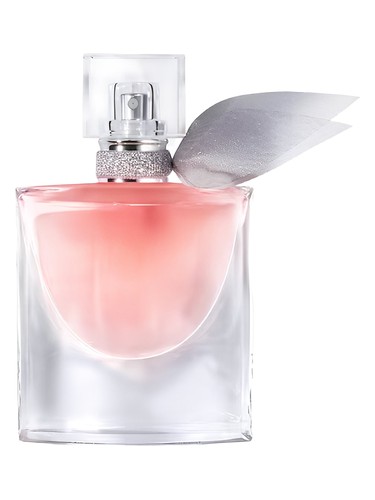
First Impressions
The first spray of Ashoka is like stepping into a sun-dappled grove where ancient trees stand draped in vines and blossoms. There''s an immediate verdancy here—not the sharp, snapped-stem green of herbs, but something richer and more contemplative. The fragrance announces itself as unmistakably woody, yet softened by petals and wrapped in a gentle, resinous glow. Named after the sacred Ashoka tree of Indian tradition, this creation from Neela Vermeire captures a moment of botanical meditation: where forest floor meets flowering canopy, where shadow and sunlight negotiate their daily treaty.
What strikes you immediately is the sophistication of the composition. This isn''t a perfume that shouts. Instead, it unfolds with the confidence of a perfectly tailored garment, revealing its complexity gradually, layer by carefully constructed layer.
The Scent Profile
Ashoka''s architecture is built on a foundation of wood—100% dominant in its accord structure—yet this is wood as living entity, not sawdust or pencil shavings. The fragrance opens with that pronounced green character, accounting for 81% of its profile, suggesting fresh leaves and the crisp vitality of growth. This verdant quality gives the composition its distinctive brightness, preventing the woody elements from ever feeling heavy or oppressive.
As the fragrance develops, a robust floral heart emerges at 86% presence, nearly rivaling the woody accord in strength. These aren''t demure, powdery florals; they possess substance and character, blooming through the green-wood framework like flowering vines claiming territory on a trellis. The flowers here feel grounded in nature rather than abstracted into mere sweetness.
The amber accord, present at 74%, provides warmth and cohesion, binding the green-floral-woody elements into a harmonious whole. This resinous quality adds depth without weight, a golden thread running through the composition. There''s a fresh quality (53%) that persists throughout the development, keeping the fragrance from becoming too dense or autumnal despite its woody dominance. A subtle sweetness (46%) rounds out the edges without pushing the perfume toward gourmand territory—it''s the sweetness of sap and nectar, not dessert.
The evolution is remarkably linear in the best possible way: Ashoka doesn''t transform dramatically so much as it deepens, like watching the same forest scene transition from morning to afternoon light.
Character & Occasion
Ashoka''s seasonal versatility is one of its greatest strengths. The community data shows it performs beautifully in fall (84%) and spring (80%)—those transitional seasons where nature itself is most dramatic. In autumn, it captures the richness of falling leaves and persistent blooms; in spring, it embodies renewal and verdant growth. Remarkably, it holds its own in summer (71%), where that fresh, green quality and the floral elements keep it from feeling too heavy for warmer weather. Only in winter (35%) does it lose some appeal, perhaps lacking the full-bodied opulence that cold weather demands.
The day/night profile is equally revealing: perfect for daytime wear (100%), where its green-woody character feels appropriately professional yet distinctive, while maintaining respectable evening credentials (56%). This is a perfume for garden parties, museum visits, creative workspaces, and autumn walks. It speaks to someone who appreciates craftsmanship, who finds beauty in botanical complexity, and who isn''t seeking to dominate a room but rather to intrigue those who come close.
Marketed as feminine, Ashoka transcends such simple categorization. Its woody backbone and green character make it thoroughly wearable for anyone drawn to sophisticated, nature-inspired compositions.
Community Verdict
With a rating of 4.15 out of 5 across 493 votes, Ashoka has earned genuine admiration from those who''ve experienced it. This is a strong rating, particularly in the niche fragrance space where critics tend to be both knowledgeable and exacting. The vote count suggests a perfume that''s been discovered and appreciated by serious fragrance explorers rather than casual buyers—not a blockbuster, but a connoisseur''s choice.
What the rating tells us is that Ashoka delivers on its promises. It doesn''t polarize dramatically; instead, it wins over most who encounter it with its balanced complexity and wearability. This is the kind of fragrance that grows on you, revealing more with each wearing.
How It Compares
The comparisons to Serge Lutens'' Fille en Aiguilles and Chergui place Ashoka firmly in the territory of sophisticated, unconventional compositions that play with woody and resinous elements. Like Fille en Aiguilles, it explores the aromatic possibilities of trees and forests, though Ashoka feels more floral and less coniferous. The Tom Ford Black Orchid comparison suggests a shared richness and complexity, while references to Chanel''s Coromandel and Guerlain''s Shalimar position it among perfumes that balance Eastern-inspired warmth with Western refinement.
What distinguishes Ashoka is its particular green-woody balance—it''s neither as overtly sweet as Shalimar nor as darkly dramatic as Black Orchid. It occupies its own space: verdant, complex, and quietly confident.
The Bottom Line
Ashoka represents niche perfumery at its most accomplished: a coherent artistic vision executed with skill and restraint. Neela Vermeire has created a fragrance that honors its inspiration—the sacred Ashoka tree—without resorting to literal interpretation or exotic cliché. Instead, we get something genuinely beautiful: a woody-floral-green composition that works across seasons and occasions while maintaining distinctive character.
At 4.15 out of 5, this is clearly a fragrance worth seeking out. It deserves consideration from anyone who appreciates Jo Malone''s sophistication but craves more depth, or who loves Diptyque''s approach to nature but wants something more enveloping. Try Ashoka if you''re drawn to intelligent, wearable complexity—if you want a signature scent that whispers rather than shouts, that rewards attention rather than demanding it.
AI-generated editorial review