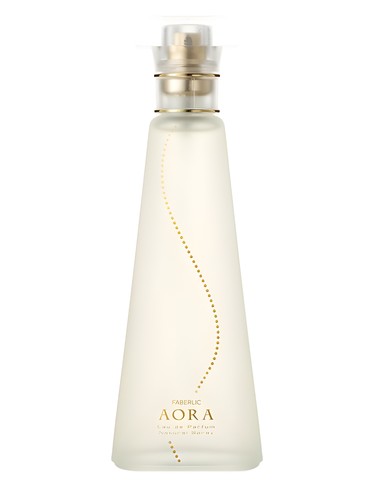
First Impressions
The first spray of Aora is like stepping into a conservatory on the cusp of spring. There''s an immediate burst of creamy gardenia softened by peony''s gentle blush, while mandarin orange provides just enough citrus sparkle to keep things from feeling too heavy. This is white floral perfumery without apology—dominant at 100% according to its accord profile—and it announces itself with confidence. The opening feels both classic and approachable, like discovering a well-maintained secret garden rather than entering a stuffy perfume counter.
What strikes you immediately is the luminosity. Aora doesn''t whisper; it speaks clearly in rounded, soft-focus florals that feel generous rather than aggressive. There''s a soapy-clean quality that emerges almost instantly, though it''s the good kind of clean—fresh laundry dried in garden air rather than detergent.
The Scent Profile
The heart of Aora is where this fragrance truly reveals its ambitions. As the mandarin''s brightness fades, you''re left with an opulent bouquet led by tuberose—which registers as the third-strongest accord at 44%. Here, tuberose doesn''t display its famously indolic, heady side. Instead, it''s been tamed and sweetened, playing nicely with magnolia''s creamy lemony facets and plumeria''s tropical warmth.
Violet adds an interesting powdery-green dimension, that nostalgic dustiness that keeps the composition from tilting too contemporary or synthetic. Acacia brings honey-like sweetness without actual honeyed heaviness, while the magnolia lends structure to what could otherwise become an amorphous white cloud. This is a substantial heart phase, where the fragrance settles into its most comfortable register—unapologetically floral (76% floral accord overall) but balanced enough to remain wearable.
The base is where Aora surprises. Sandalwood and vanilla form the foundation you''d expect from a feminine fragrance of this era, providing that creamy-sweet drydown that marked countless releases from the mid-2000s. But there''s also cedar and oakmoss, which give unexpected structure and slight earthiness. The woody accord registers at 42%, creating a subtle backbone that prevents the composition from floating away into pure softness. The oakmoss—likely a modern substitute given the formulation period—adds a whisper of vintage character, while vanilla (contributing to the 34% powdery accord) rounds everything into something comforting and familiar.
The drydown won''t challenge anyone, but it''s pleasant: soft, slightly musky woods with a vanilla glow, like sunlight filtering through trees onto warm skin.
Character & Occasion
The data tells a clear story about Aora''s natural habitat: this is overwhelmingly a spring fragrance, with 91% seasonal preference pointing to that period between winter''s end and summer''s heat. It makes perfect sense—those white florals need moderate temperatures to bloom properly on skin without becoming cloying or fading into nothingness.
Fall comes in second at 59%, which speaks to the woody base notes providing enough warmth for cooler weather. Summer sits at 47%, suggesting it can work in heat but might feel substantial for the hottest days. Winter trails at 31%, and you can understand why—Aora simply isn''t built for cold weather intensity.
The day versus night numbers are even more telling: 100% day wear, with only 24% considering it suitable for evening. This is a daytime fragrance through and through—perfect for office environments, casual outings, lunch dates, or any situation where you want to smell polished and feminine without commanding attention. It''s the kind of scent that makes colleagues wonder if you''re wearing perfume or just naturally smell lovely.
Community Verdict
With 341 votes landing on a 3.55 out of 5 rating, Aora occupies that interesting middle ground. This isn''t a revolutionary masterpiece that fragrance obsessives will evangelize, nor is it a disappointing miss. Instead, it''s a solid, reliable white floral that does what it promises without pretension. That rating suggests a fragrance that works well for its intended audience—those seeking a pretty, feminine scent for daily wear—while not offering enough complexity or uniqueness to captivate more adventurous noses.
The substantial vote count indicates this isn''t an obscure gem; Faberlic clearly has distribution reach, and Aora has found its audience. The middling score feels honest rather than damning.
How It Compares
The comparison fragrances paint an illuminating picture. Aora shares DNA with Today by Avon and Treselle by Avon—accessible, feminine florals from direct-sales brands. But it also gets compared to far pricier options: Givenchy''s Organza, Dior''s J''adore, and Elizabeth Arden''s 5th Avenue. This positioning is Aora''s sweet spot—it''s reaching for the sophistication of luxury white florals while maintaining accessibility.
Compared to J''adore''s golden floral radiance or Organza''s ambery depth, Aora feels simpler and more linear. It doesn''t have the marketing budget or prestige packaging, but it speaks the same basic language. For someone who loves that style but balks at luxury pricing, Aora offers a legitimate alternative.
The Bottom Line
Aora won''t revolutionize your fragrance wardrobe, but it might become a reliable favorite. This is feel-good perfumery—pretty, uncomplicated, and perfect for those days when you want to smell nice without making a statement. The 3.55 rating reflects its nature: above average, pleasant, but not exceptional.
For spring mornings, office wear, or anyone building their first white floral collection, Aora deserves consideration. It''s especially worth exploring if you''re curious about the J''adore style but want to test the waters at a gentler price point. Just don''t expect groundbreaking originality or remarkable longevity—expect a pretty, wearable floral that does its job with quiet competence.
AI-generated editorial review