First Impressions
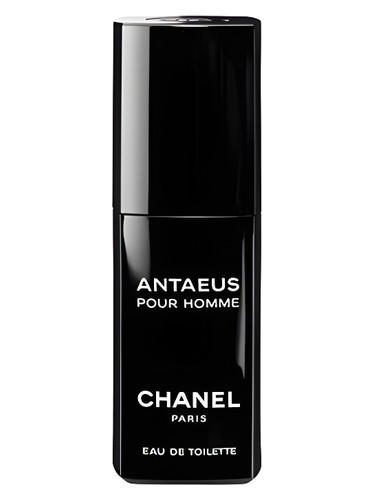
The first spray of Antaeus is nothing short of confrontational. This is not a fragrance that introduces itself with a polite handshake; it barges through the door with the confidence of a Greek titan, which is fitting given its namesake. The opening salvo combines clary sage, coriander, and a citrus trio of bergamot, lime, and Amalfi lemon with myrtle, creating an aromatic blast that immediately announces your presence. But beneath that herbal brightness lurks something darker, more primal—a whisper of what''s coming in the base that promises this won''t be your typical Chanel refinement. Released in 1981 during the height of the powerhouse era, Antaeus makes no apologies for its intensity. Within minutes, you''ll understand why this fragrance has maintained a devoted following for over forty years while simultaneously terrifying newcomers.
The Scent Profile
Antaeus unfolds like a carefully orchestrated descent into something beautifully untamed. Those opening notes—bright with citrus and pungent with herbs—serve as a brief moment of civility before the fragrance reveals its true nature. The clary sage and coriander provide an almost medicinal sharpness, cut through with the freshness of myrtle, a note Chanel has always handled with particular skill.
As the top notes begin their retreat, the heart emerges with an unexpected floralcy. Rose and jasmine might seem delicate on paper, but here they''re reinforced with thyme and basil, creating an aromatic bouquet that feels more garden-fresh than traditionally floral. This is where Antaeus shows its complexity—these aren''t the roses of a romantic composition, but rather the scent of rose stems crushed between your fingers, green and slightly bitter.
But the base is where Antaeus earns its reputation. Castoreum, oakmoss, patchouli, and French labdanum converge into something that can only be described as magnificently animalic. The castoreum brings that notorious leathery, musky intensity that has become rare in modern fragrances. The oakmoss adds a mossy depth that grounds the composition in classic chypre territory, while patchouli contributes an earthy darkness. The labdanum ties it all together with resinous warmth and subtle smokiness. This base is dominant, accounting for the fragrance''s overwhelming woody accord (100%) alongside significant aromatic (93%), leather (80%), mossy (65%), earthy (63%), and smoky (62%) characteristics. It''s a composition that feels almost geological in its layered density.
Character & Occasion
Antaeus is unequivocally a cold-weather fragrance. The data confirms what the nose knows: this is designed for winter (100%) and fall (90%), with spring (41%) being borderline and summer (16%) essentially inadvisable unless you''re deliberately trying to clear a room. The weight and intensity of those base notes simply demand cooler temperatures to shine without overwhelming.
The day/night split tells an interesting story: while 55% find it acceptable for daytime wear, 95% consider it suitable for evening. This suggests Antaeus has the gravitas for important daytime occasions—think board meetings, formal business settings, or winter weddings—but truly comes alive after dark. This isn''t a fragrance for casual Friday or weekend errands; it demands context and intention.
Who is Antaeus for? The mature, sophisticated man who has nothing to prove yet chooses to make a statement anyway. This is for someone who appreciates the artistry of pre-reformulation perfumery, who understands that not every fragrance should be crowd-pleasing or office-safe. It''s for the individual who views fragrance as an extension of character rather than a mere grooming accessory.
Community Verdict
The Reddit fragrance community speaks with remarkable clarity about Antaeus, awarding it a strong positive sentiment score of 7.8 out of 10 based on 69 opinions. This is particularly impressive given how polarizing the fragrance can be.
The praise centers on several key strengths: its unique, distinctive character that refuses to blend into the background; an excellent drydown that reviewers describe as complex, dark, and mysterious; legendary performance and projection that justify its powerhouse reputation; and surprisingly reasonable pricing for a designer fragrance of this caliber and heritage.
However, the community doesn''t shy away from the challenges. The very animalic and intense opening is frequently cited as difficult for those accustomed to modern, cleaner fragrances. Multiple reviewers emphasize this isn''t suitable for daily wear or casual occasions—it''s simply too much fragrance for mundane contexts. Some find it overwhelmingly loud, even by their own standards.
The consensus places Antaeus as best suited for mature, sophisticated men, formal occasions and business settings, cold weather and evening wear, and specifically for those actively seeking bold, unconventional fragrances. It''s described as a legendary scent that rewards patience and an appreciation for non-mainstream compositions, though newcomers should approach with realistic expectations about its intensity.
How It Compares
Antaeus occupies rarefied air in the masculine fragrance canon, sharing DNA with other iconic powerhouses. Its closest relatives include Azzaro pour Homme, with which it shares aromatic intensity; Guerlain''s Vetiver for its sophisticated earthiness; Dior''s Fahrenheit for sheer boldness; Chanel''s own Pour Monsieur for house style; and Lalique''s Encre Noire for dark, woody character.
What distinguishes Antaeus is its particular balance of animalic leather and mossy depth. Where Fahrenheit goes overtly synthetic-futuristic and Encre Noire commits fully to vetiver darkness, Antaeus maintains a foot in classic chypre territory while pushing into more primal, animalic spaces. It''s perhaps the most confrontational fragrance in Chanel''s masculine lineup, a fascinating counterpoint to the restraint typically associated with the house.
The Bottom Line
With a rating of 4.25 out of 5 based on 5,876 votes, Antaeus has proven its enduring appeal across generations. This isn''t nostalgia inflating the numbers—it''s genuine appreciation for a fragrance that remains relevant despite (or perhaps because of) its refusal to modernize or soften.
The value proposition is compelling. For a Chanel fragrance with this level of complexity, performance, and historical significance, the price point is remarkably accessible compared to similar offerings from niche houses attempting to recreate this style of powerhouse masculinity.
Should you try Antaeus? Yes, if you''re ready for something genuinely challenging. No, if you''re looking for a safe daily driver or your first "grown-up" fragrance. This is advanced-level perfumery, a fragrance that demands you rise to meet it rather than conforming to your expectations. Sample first, ideally in cold weather, and give it time to reveal its full character. If you find yourself captivated by that animalic drydown, you''ve discovered one of the great overlooked treasures in designer masculine perfumery.
AI-generated editorial review