First Impressions
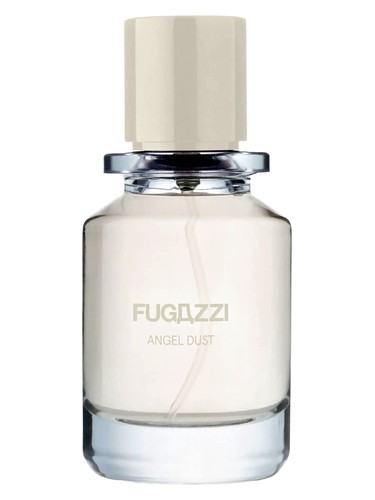
The first encounter with Angel Dust feels like walking into a memory you can''t quite place—intimate, enveloping, and undeniably soft. That opening spray delivers an immediate cloud of musk that seems to hover just above the skin, neither aggressive nor timid, but perfectly calibrated to draw you closer. There''s a powdery veil that settles almost instantly, reminiscent of cashmere fabric or the subtle sweetness of skin after a long bath. This is a fragrance that understands restraint, building its presence through whispered suggestion rather than bold declaration.
What makes Angel Dust particularly intriguing from that first moment is its chameleonic quality. The dominant musk accord—which the community rates at a perfect 100%—creates a foundation that somehow manages to feel both clean and indulgent, minimalist yet complex. It''s the kind of scent that makes you reflexively smell your wrist again, trying to decode exactly what you''re experiencing.
The Scent Profile
Angel Dust presents an unusual challenge: without specified individual notes, we''re left to read its story through accords alone—and what a story those accords tell. The overwhelming musk dominance (100%) sets the stage, but this isn''t your grandmother''s laundry musk or the sharp, synthetic variety that dominated the 1990s. Instead, it''s a plush, almost edible musk that serves as canvas for everything else.
The powdery aspect (72%) adds crucial texture, creating that signature soft-focus effect that gives Angel Dust its dreamlike quality. This powder isn''t makeup-counter artificial; it reads more like the natural scent of skin, vanilla-tinged and comforting. The amber accord (56%) provides warmth without heaviness, a golden glow that prevents the composition from becoming too ethereal or disappearing entirely.
Where things get interesting is the fresh spicy element (50%) and woody undertones (49%), which add an unexpected backbone. These aren''t dominant enough to shift the fragrance into traditionally masculine territory, but they provide essential structure—preventing Angel Dust from becoming a one-dimensional comfort scent. A subtle citrus note (28%) occasionally surfaces, offering just enough brightness to keep the composition from becoming too sleepy or meditative.
The evolution here is less about dramatic transformation and more about gradual revelation. Angel Dust doesn''t announce itself in chapters; instead, it slowly unfolds like a single, continuous thought.
Character & Occasion
The seasonal data tells a compelling story: Angel Dust shines brightest in fall (96%) and spring (92%), those transitional seasons where you want something cozy without feeling suffocated. Winter comes in at a strong 82%, while summer—at 65%—suggests this is wearable year-round for those who don''t mind a musky presence in warmer weather.
The day/night split is particularly revealing: 100% day-appropriate but only 53% for evening wear. This positions Angel Dust firmly in the "elevated casual" category—perfect for work-from-home days, coffee shop writing sessions, or weekend errands where you want to feel polished without trying too hard. It''s the fragrance equivalent of a cashmere sweater: luxurious enough to feel special, but comfortable enough for everyday life.
This is decidedly feminine in marketing, but the musky-woody combination means it could easily cross gender lines for those who prefer softer, skin-like scents over traditionally masculine notes.
Community Verdict
Here''s where Angel Dust''s story becomes complicated. With a 3.97/5 rating from 1,622 votes and a Reddit sentiment score of 6.5/10, we''re looking at a fragrance that inspires both devotion and disappointment—often from the same person at different times.
The praise is effusive and emotional. Community members describe it as "heavenly" and "comforting," noting its ability to create strong emotional reactions. The sweet, creamy profile with vanilla and cashmere-musk character earns genuine enthusiasm from those who connect with it.
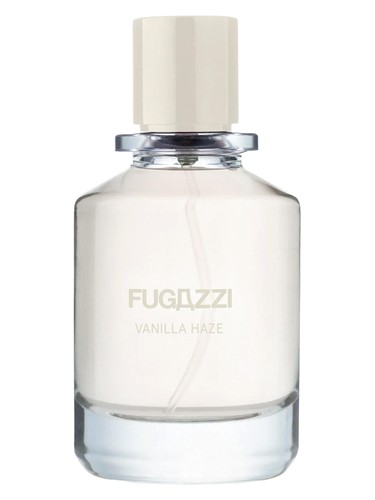
But the criticism is specific and troubling. Multiple users report significant batch variations between samples and full bottles—a serious quality control issue that undermines confidence in purchasing. Several reviewers document Lucky Scent mislabeling problems, including confusion with Vanilla Haze, which suggests broader distribution issues. Perhaps most fascinating is the wildly subjective scent interpretation: some detect banana, others fig, some even report notes of "lint"—a descriptor that speaks to either the fragrance''s abstract quality or inconsistent formulation.
The extrait version receives particular criticism for lacking the sweetness that defines the regular concentration, reportedly skewing more intense and masculine. This isn''t just preference—it''s a warning that not all versions of Angel Dust deliver the same experience.
How It Compares
The comparison set places Angel Dust in elite company: L''Eau Papier by Diptyque, Musk Therapy by Initio, Valaya by Parfums de Marly, Not A Perfume by Juliette Has A Gun, and Mojave Ghost by Byredo. These are all minimalist, skin-like compositions that prioritize intimacy over projection.
What distinguishes Angel Dust is its accessibility—both in price point and wearability—compared to its niche competitors. It shares Musk Therapy''s comforting warmth and Not A Perfume''s clean simplicity, while offering more sweetness than Mojave Ghost''s austere desert landscape.
The Bottom Line
Angel Dust presents a paradox: when it works, it''s genuinely special—a comfort scent that justifies its near-4-star rating. But the documented consistency issues mean purchasing requires caution and realistic expectations.
The recommendation here is clear: sample first, ideally from multiple sources, and if possible, spray-test before committing to a full bottle. For those seeking a everyday signature scent with broad appeal, the quality control concerns are worth noting. But for fragrance collectors who understand that niche releases can be mercurial, and who prioritize that perfect heavenly moment over guaranteed consistency, Angel Dust offers something worth experiencing.
At its best, this is a 4.5-star fragrance. At its most problematic, it''s a cautionary tale about the gap between concept and execution. Your experience will likely fall somewhere in between—which, given the price of admission, is a gamble worth understanding before you take it.
AI-generated editorial review