First Impressions
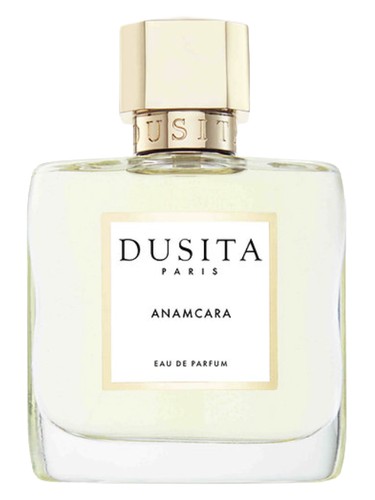
The first spritz of Anamcara—Gaelic for "soul friend"—delivers on its promise of intimate connection. A burst of Tunisian orange blossom mingles with blood orange in an opening that feels both sun-drenched and surprisingly nuanced. This isn''t the shrill citrus fanfare you might expect; instead, there''s a softness here, a creamy quality that whispers rather than shouts. The freesia adds a delicate green transparency, like morning light filtering through petals still damp with dew. Within moments, you sense this is a fragrance that understands the art of restraint, even as it prepares to unfurl one of perfumery''s most opulent white floral bouquets.
The Scent Profile
Parfums Dusita perfumer Pissara Umavijani has orchestrated a masterclass in layered complexity with Anamcara. Those opening notes of orange blossom and blood orange establish a bright, optimistic baseline that never quite disappears—they shimmer at the edges throughout the fragrance''s evolution, providing lift and luminosity.
The heart is where Anamcara reveals its true character. Tuberose takes center stage, but this is tuberose with manners. Rather than the indolic, rubber-and-gasoline intensity that can make some tuberose fragrances challenging, this rendition is softened by jasmine sambac''s fruity sweetness and rose de mai''s honeyed elegance. The inclusion of tea adds an unexpected twist—a subtle tannic quality that tempers the florals'' inherent richness. Peach brings a velvet texture, while Madagascar vanilla begins its slow ascent from the base, wrapping everything in a gentle sweetness that never tips into dessert territory.
The base notes provide the architectural foundation that keeps this white floral composition from floating away entirely. Indonesian patchouli leaf offers an earthy, slightly spicy anchor without the musty associations of traditional patchouli. Haitian vetiver contributes its characteristic dry, grassy sophistication, while Australian sandalwood and Virginian cedar create a woody framework that''s creamy rather than austere. This foundation allows Anamcara to maintain presence and depth well into its drydown, transforming from a bright floral statement into something warmer and more contemplative.
Character & Occasion
The community has spoken decisively about when to wear Anamcara: this is definitively a spring fragrance, with summer running a close second. The data bears this out—100% spring suitability and 81% for summer tells you everything you need to know about its character. Those warm-weather preferences make perfect sense given the radiant citrus opening and the white floral heart that blooms most beautifully in warmth without wilting under heat.
Fall wears it reasonably well at 68%, particularly during those early autumn days when temperatures remain mild and you''re not quite ready to retire your lighter compositions. Winter, at 32%, is less forgiving—this fragrance simply doesn''t have the heft or spice to cut through cold weather, and forcing it into that context would be like wearing linen in January: technically possible, but missing the point entirely.
The day versus night breakdown (87% day, 36% night) reveals Anamcara''s true personality: this is a daytime companion, best suited to sunlit hours. It has the brightness and transparency for office wear, the elegance for lunch dates, and the approachability for casual weekend errands. While it can certainly transition into evening, it doesn''t possess the dramatic intensity or seductive mystery that truly nocturnal fragrances command.
Community Verdict
With a solid 4.03 out of 5 stars from 732 votes, Anamcara has earned genuine respect from a substantial sample size. This isn''t a niche curiosity with a handful of admirers—over 700 people have weighed in, and the consensus places it firmly in "very good" territory. That rating suggests a fragrance that delivers on its promises without revolutionary innovation, a composition that satisfies without necessarily astonishing. It''s the kind of rating that indicates quality and wearability rather than polarizing artistry.
How It Compares
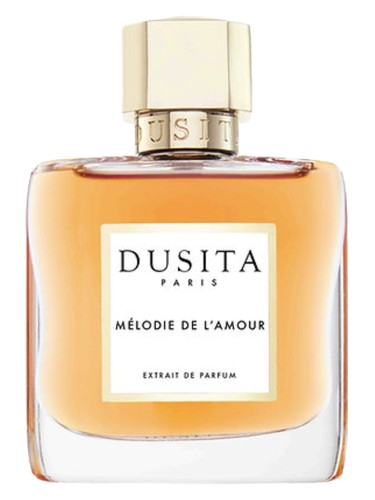
Anamcara sits comfortably within a distinguished lineage of white floral compositions. Its similarity to Carnal Flower by Frederic Malle is telling—both explore tuberose''s complexity, though Malle''s creation leans harder into the flower''s raw, almost aggressive facets. Anamcara takes a gentler approach, more aligned with the house''s own Melodie de L''Amour and Moonlight in Chiangmai, which share that characteristic Dusita refinement.
The comparison to Tom Ford''s Black Orchid might surprise at first—these are very different fragrances in mood and structure. But both demonstrate how white florals can be grounded with woody, earthy bases to create lasting power and sophistication. Where Black Orchid goes dark and vampy, Anamcara stays in the light, but both understand that great florals need architectural support.
The Bottom Line
Anamcara represents Parfums Dusita doing what they do best: creating refined, wearable compositions that honor classical perfumery while incorporating modern sensibilities. This isn''t a groundbreaking fragrance that will rewrite the rules of white florals, and that''s perfectly fine. Sometimes you don''t need revolution; you need a beautifully executed interpretation of timeless themes.
The 4.03 rating reflects this positioning accurately. It''s a fragrance that will delight lovers of elegant white florals, particularly those who find straight tuberose too aggressive or traditional orange blossom too soapy. The price point for Parfums Dusita sits in the niche territory, so value depends on your priorities—you''re paying for quality materials and skilled composition rather than brand name or marketing.
Who should try Anamcara? Anyone seeking a spring and summer signature that feels both joyful and sophisticated. Those who appreciate white florals but want them tempered with citrus brightness and woody depth. And perhaps most fittingly, anyone looking for a "soul friend" in fragrance form—something familiar enough to feel like coming home, distinctive enough to feel special every time you wear it.
AI-generated editorial review