First Impressions
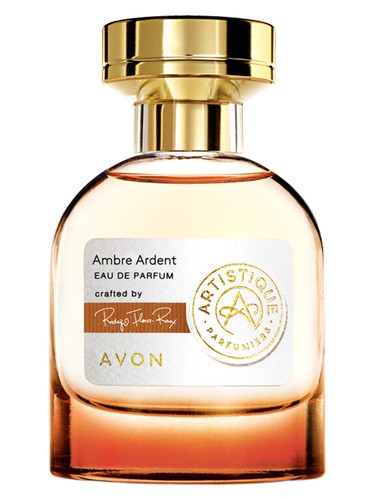
The first spray of Ambre Ardent delivers an unapologetic rush of heat. This isn''t a fragrance that whispers—it announces itself with a full-throated declaration of spice. Cardamom and cinnamon lead the charge, immediately flanked by the sharp bite of clove and black pepper, creating an opening that feels almost incendiary against the skin. Just when the spice threatens to overwhelm, a thread of bergamot citrus and the soft, plummy sweetness of mirabelle emerge, offering just enough brightness to keep the composition from tipping into one-dimensional territory. From the outset, Ambre Ardent makes its intentions clear: this is a fragrance for those who want to be noticed, who aren''t afraid of a little olfactory drama.
The Scent Profile
The opening salvo of spices—cardamom, cinnamon, clove, and black pepper—creates a complex tapestry of warmth that dominates the first fifteen minutes. The bergamot adds a fleeting citric sparkle, while the mirabelle contributes an unexpected fruity undertone that softens the edges without dulling the impact. It''s an opening that reads as unabashedly bold, leaning heavily into that warm spicy accord that registers at full intensity.
As Ambre Ardent settles into its heart, the spice parade gradually yields the stage to a more refined floral trio. Orris brings its characteristic powdery elegance, lending a subtle sophistication that feels almost aristocratic against the fiery opening. White datura, a note known for its intoxicating, slightly narcotic quality, adds depth and mystery, while jasmine provides a traditional floral anchor. This middle phase represents the fragrance''s most interesting transition—where raw heat meets cultured florals, creating an intriguing tension between passion and poise.
The base is where Ambre Ardent reveals its true identity. Amber takes center stage, supported by the resinous sweetness of benzoin and the earthy depth of patchouli. The amber here isn''t shy or subtle; it''s rich, enveloping, and unapologetically warm. The benzoin amplifies the sweetness while adding a balsamic quality that enhances longevity, and the patchouli grounds the entire composition with its woody, slightly camphoraceous character. While the patchouli accord registers at a relatively modest 26% compared to the dominant warm spicy and amber notes, it plays a crucial supporting role, preventing the fragrance from becoming too sweet or one-note.
Character & Occasion
Ambre Ardent is positioned as an all-season fragrance, and while that designation often signals a lack of strong identity, here it speaks more to the wearer''s boldness than the perfume''s versatility. In cooler months, this fragrance feels right at home—the spice and amber combination creates an enveloping warmth perfect for autumn evenings and winter gatherings. In warmer weather, it requires a lighter hand; the intensity that feels cozy in November can overwhelm in July, though those who enjoy making a statement might embrace exactly that quality.
The absence of clear day/night preference in the community data suggests this fragrance straddles both occasions, though its intensity and the dominance of warm, spicy elements naturally skew toward evening wear. This is a fragrance for dinner dates, cocktail parties, and moments when you want your presence felt before you enter a room. It suits the woman who views fragrance as an accessory, not an afterthought—someone confident enough to wear something that demands attention rather than politely requesting it.
Community Verdict
With a rating of 3.78 out of 5 based on 406 votes, Ambre Ardent occupies interesting territory. This isn''t a universally beloved masterpiece, but nor is it a disappointment. The score suggests a fragrance that divides opinion—likely between those who appreciate its unabashed intensity and those who find it excessive. For a mass-market release from Avon, however, these numbers tell a positive story. The fact that over 400 people have taken the time to rate it indicates genuine interest, and a score approaching 4 suggests that when Ambre Ardent connects with its intended audience, it connects powerfully.
How It Compares
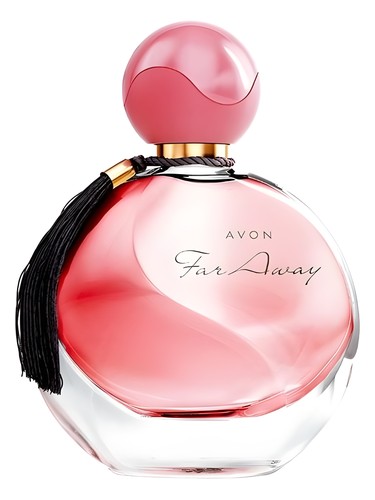
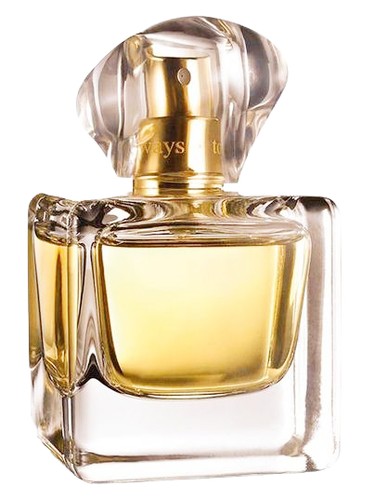
The reference points for Ambre Ardent paint an intriguing picture. Sharing DNA with Kenzo Jungle L''Elephant suggests a similar approach to spice and warmth, while the comparison to Tom Ford''s Black Orchid—a cult favorite known for its opulent darkness—is high praise for a budget offering. The similarity to Avon''s own Oud Grandeur indicates a house style that isn''t afraid of bold, oriental compositions. References to LouLou by Cacharel and Dune by Dior suggest there''s something of the vintage powerhouse in Ambre Ardent''s approach—a willingness to project and persist that recalls an earlier era of perfumery when subtlety was less prized.
Within the warm amber category, Ambre Ardent distinguishes itself through sheer intensity of spice in the opening and a price point that makes it accessible. It won''t replace a luxury amber for collectors, but it might surprise those who assume Avon can''t deliver complexity.
The Bottom Line
Ambre Ardent represents Avon operating at the upper end of its creative ambitions. This isn''t a safe, crowd-pleasing fragrance—it''s a deliberate statement piece that prioritizes impact over accessibility. The rating of 3.78 is honest: this won''t be everyone''s taste, but for those who love warm, spicy ambers and aren''t put off by projection, it delivers far more than its price point suggests.
Who should try it? Anyone curious about spiced amber fragrances but hesitant to invest in luxury options. Those who loved powerhouse fragrances of the ''90s and early 2000s. Women who view "too much" as a challenge rather than a warning. And anyone who''s written off mass-market fragrances entirely—Ambre Ardent might just change your mind.
Is it perfect? No. Could the spice opening be more nuanced? Certainly. But in a market often dominated by safe, focus-grouped pleasantness, there''s something refreshing about a fragrance this committed to its own intensity. Ambre Ardent knows exactly what it is, and for the right wearer, that confidence is intoxicating.
AI-generated editorial review