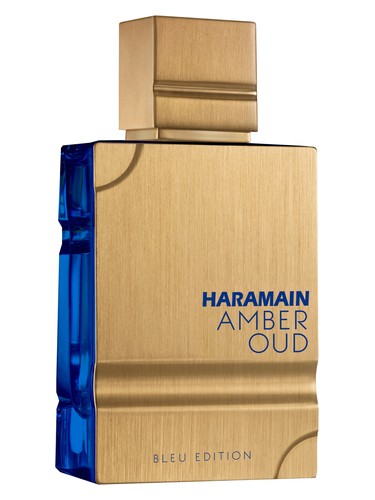
First Impressions
The first spray of Amber Oud Bleu Edition announces itself with a paradox. Despite the "Oud" in its name and the Arabian pedigree of Al Haramain, what hits your senses is decidedly modern and unabashedly fresh—a bright citrus burst laced with cooling mint and the subtle bite of pink pepper. This is not the heavy, resinous oud experience you might expect. Instead, it''s as if Al Haramain took the blueprint of a contemporary masculine fresh-woody fragrance and added their own Middle Eastern signature in whisper rather than shout. The grapefruit and lemon create an effervescent opening that feels more Monaco than Mecca, setting up an intriguing tension that defines this 2022 release throughout its development.
The Scent Profile
The opening act is all about invigoration. Grapefruit leads with its bittersweet tang, while lemon provides a cleaner, sharper edge. The mint weaves through these citruses like a cool breeze, creating an almost aquatic freshness without any marine notes present. Pink pepper adds textural interest—a fizzy, slightly floral spiciness that keeps the top from becoming too straightforward. This combination is exuberant and attention-grabbing, though some might find it borders on familiar territory.
As the fragrance settles into its heart, the character shifts into more complex terrain. Ginger brings a warm, slightly earthy spiciness that bridges the gap between the fresh opening and what''s to come. Vetiver enters with its characteristic grassy, woody-green quality, adding depth and a touch of sophistication. Then comes jasmine—a surprising choice that adds a delicate floralcy, perhaps the most overtly feminine element in a composition that otherwise reads quite masculine. This heart phase is where the fragrance''s identity becomes most interesting, straddling gender lines with confidence.
The base is where Al Haramain''s heritage finally makes its full appearance. Olibanum (frankincense) provides that resinous, almost spiritual quality associated with Middle Eastern perfumery, though it remains restrained. Sandalwood lends its creamy, soft woodiness, while cedar brings structure and a pencil-shavings dryness. Patchouli rounds everything out with its earthy, slightly sweet character. Together, these woods create the dominant accord—that 100% woody signature that defines the fragrance''s DNA, supported by the lingering ghost of those opening citruses and the aromatic qualities that persist throughout.
Character & Occasion
Here''s where things get interesting. Amber Oud Bleu Edition is marketed as a feminine fragrance, yet its DNA screams contemporary masculine freshness. The woody-citrus-aromatic accord structure is textbook modern men''s perfumery, and the comparisons to fragrances like Bleu de Chanel and YSL Y only reinforce this perception. Yet there''s something genuinely appealing about this gender ambiguity—it makes the fragrance accessible to anyone who appreciates clean, woody compositions with a fresh twist.
The data suggests this is an all-season performer, and that makes sense. The citrus-mint opening provides relief in warmer weather, while the woody-spicy base offers enough substance for cooler months. The freshness keeps it from becoming oppressive in heat, while the wood and incense notes prevent it from feeling insubstantial when temperatures drop. As for day versus night, the community hasn''t leaned strongly either direction, which speaks to its versatility. This is a fragrance that works for the office, casual weekends, or evening events without feeling out of place—a true workhorse scent.
Community Verdict
With 346 votes yielding a 3.98 out of 5 rating, Amber Oud Bleu Edition has earned solid approval without reaching "masterpiece" status. This is a respectable score that suggests a fragrance that delivers on its promises without revolutionary innovation. The community seems to appreciate what it does well—that woody freshness, the versatility, the quality execution—while perhaps wishing it pushed boundaries a bit further or carved out a more distinctive identity. It''s the kind of rating that says "definitely worth exploring" rather than "drop everything and buy this immediately."
How It Comparisons
The list of similar fragrances reads like a who''s who of successful masculine fresh-woody scents: Bleu de Chanel EDP, YSL Y EDP, Versace Pour Homme, and the more niche Parfums de Marly Layton. What''s notable is that these are all significantly more expensive fragrances from established luxury or designer houses. Al Haramain is offering a composition that plays in this space at what''s presumably a more accessible price point.
The comparison to Bleu de Chanel is particularly apt—both feature that citrus-woody-aromatic structure with a fresh-spicy heart. Where Bleu de Chanel has the marketing muscle and prestige of Chanel behind it, Amber Oud Bleu Edition offers an alternative for those seeking similar vibes without the luxury price tag or those curious about how an Arabian house interprets Western masculine freshness.
The Bottom Line
Amber Oud Bleu Edition is an interesting cultural hybrid—an Arabian perfume house''s take on contemporary Western masculine freshness, marketed to women but likely to appeal broadly across gender lines. The near-4-star rating from a substantial voting base suggests it succeeds at what it sets out to do: deliver a versatile, well-constructed woody-citrus fragrance that works across seasons and occasions.
Should you try it? If you appreciate fragrances like Bleu de Chanel but want something less ubiquitous, or if you''re curious about accessible woody-fresh compositions with a subtle Middle Eastern accent, absolutely. If you''re seeking a traditionally feminine floral or a heavy, animalic oud experience, look elsewhere. This is for those who appreciate clean, modern woods with a fresh twist, regardless of what gender label the marketing department chose. At this price point and with this level of versatility, Amber Oud Bleu Edition earns its place as a reliable option in the crowded woody-fresh category—not revolutionary, but thoroughly competent and wearable.
AI-generated editorial review