First Impressions
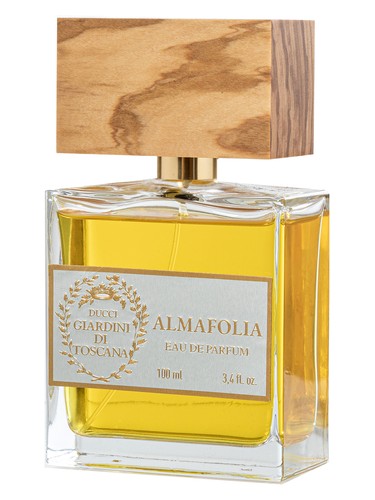
The first spray of Almafolia delivers exactly what its name promises—a soul drenched in foliage, specifically the creamy, narcotic leaves of tuberose. But this isn''t tuberose in its raw, earthy complexity. Giardini Di Toscana has softened the edges with an unexpected duo: sun-ripened peach and sweet orange that arrive like Mediterranean light filtering through a white flower garden. It''s an opening that manages to feel both lush and approachable, setting the stage for a fragrance that clearly knows its identity from the very first moment.
The initial impression speaks to a very specific vision—white florals reimagined through an Italian lens where sweetness isn''t restrained but rather celebrated. There''s an immediate creaminess here, a richness that suggests this will be a linear journey rather than a dramatic transformation. Within minutes, you understand that Almafolia has chosen its lane: unabashedly feminine, resolutely floral, and sweet enough to feel like an indulgence rather than a meditation.
The Scent Profile
Tuberose dominates this composition with the confidence of a lead soprano who knows all eyes are on her. The top notes of tuberose, peach, and sweet orange create an unusual trinity—the stone fruit''s fuzzy sweetness and the citrus''s brightness serving as supporting players to the white floral star. The peach note deserves particular attention; it''s not the watery, pale peach of some modern fragrances but something closer to nectar, amplifying the tuberose''s natural lactonic qualities.
As Almafolia settles into its heart, the composition becomes increasingly opulent. The tuberose persists (this is its show, after all, accounting for 76% of the accord profile), but now it''s joined by ylang-ylang and jasmine that deepen the floral complexity. Here''s where things get interesting: coconut and palisander rosewood enter the scene, adding a tropical warmth and woody smoothness that prevents the white florals from becoming too sharp or indolic. White rose rounds out this generous heart, contributing a powdery softness that bridges the gap between the brighter opening and what''s to come.
The base notes reveal Almafolia''s true comfort zone. Vanilla bean, white musk, amber, and benzoin create a foundation that''s unmistakably sweet and warm. This isn''t a subtle drydown—the vanilla reads at 45% in the overall accord structure, and it shows. The amber (at 46%) adds a resinous golden glow, while benzoin contributes a balsamic richness that prevents the sweetness from feeling one-dimensional. White musk keeps everything soft and close to the skin, creating a veil rather than a cloud.
Character & Occasion
The community data tells a compelling story about Almafolia''s versatility—or rather, its strategic flexibility. This is overwhelmingly a spring fragrance (100%), with fall following close behind (98%). That positioning makes perfect sense; the tuberose intensity and vanilla sweetness would feel suffocating in high summer heat, yet the composition has enough brightness to feel celebratory in warmer weather (73% summer approval). Even winter claims 63% suitability, likely thanks to that amber-vanilla-benzoin base that provides genuine warmth.
The day-versus-night split (86% day, 57% night) reveals Almafolia''s true character. This is a perfume that thrives in natural light, where its sweetness reads as joyful rather than sultry. Picture it at a garden brunch, a spring wedding, an afternoon shopping trip—occasions where its unapologetic femininity and floral exuberance feel right at home. The night approval rating suggests it can transition to evening wear, though it might feel a touch too sweet and innocent for truly formal occasions.
This is crafted for someone who embraces rather than questions their love of white florals. The sweetness level (65%) means it''s not for minimalists or those seeking intellectual complexity. Instead, Almafolia appeals to the wearer who wants to feel enveloped, pretty, and unambiguously feminine.
Community Verdict
With a rating of 3.42 out of 5 from 416 votes, Almafolia sits in interesting territory—solidly above average but not reaching cult status. This middling score likely reflects the polarizing nature of sweet white florals; those who love this category will rate it highly, while those who prefer drier, more austere compositions won''t connect. The substantial vote count (over 400 reviewers) lends credibility to this rating—it''s not a niche unknown, but rather a fragrance that''s been properly evaluated by a diverse community.
The score suggests competence rather than revelation, which feels accurate for a perfume that executes a clear vision without necessarily breaking new ground. For tuberose lovers, that 3.42 might undersell its appeal; for those on the fence about sweet florals, it might even be generous.
How It Compares
The similarity map places Almafolia in distinguished company. Love Tuberose by Amouage shares the obvious tuberose focus but typically delivers more complexity and depth. Narcotic Venus by Nasomatto offers a more challenging, provocative take on white florals. Alien by Mugler provides an interesting reference point—both embrace sweetness and jasmine-tuberose territory, though Alien''s cashmeran adds a woody warmth that Almafolia achieves through rosewood and amber instead.
The comparison to Borabora, another Giardini Di Toscana creation, suggests house style consistency—likely a shared approach to sweetness and accessibility. Blanche Bête by Les Liquides Imaginaires rounds out the list with its own white floral intensity. Within this company, Almafolia positions itself as perhaps the most openly sweet and fruit-touched of the group.
The Bottom Line
Almafolia is a fragrance that knows exactly what it wants to be: a generous, uncompromising celebration of tuberose sweetened with peach and vanilla, softened with coconut, and warmed with amber. It doesn''t apologize for its sweetness or its femininity, which will be either its greatest strength or its primary limitation depending on your perspective.
The 3.42 rating reflects reality—this isn''t a groundbreaking masterpiece, but it''s a well-executed example of its genre. For tuberose devotees seeking something softer than Fracas but more substantial than a beachy coconut floral, Almafolia offers a comfortable middle ground. Its spring and fall versatility, combined with strong daytime performance, makes it practical despite its indulgent character.
Should you try it? If you already know you love sweet white florals and have no patience for austere minimalism, absolutely. If you''re ambivalent about tuberose or wary of vanilla-heavy bases, the community''s moderate rating suggests you might want to sample before committing. This is a fragrance that rewards those who come to it already predisposed to love what it offers—and for that audience, it delivers with warmth and confidence.
AI-generated editorial review