First Impressions
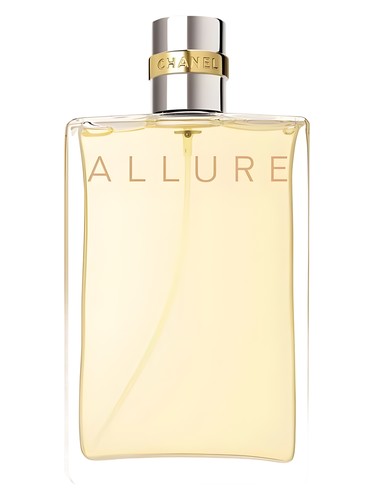
The first spray of Chanel Allure is like biting into a sun-warmed peach while standing in a Mediterranean citrus grove. There''s an immediate brightness—lemon and mandarin orange create a sparkling opening, but it''s the passionfruit and peach that provide unexpected depth, preventing this from becoming just another citrus-forward fragrance. Bergamot rounds out the composition with its slightly bitter edge, keeping the sweetness in check. This is not a fragrance that announces itself with a bombastic flourish; instead, it draws you in with confidence, whispering rather than shouting. Within moments, you understand why this 1996 creation has maintained such devoted following, scoring an impressive 4.07 out of 5 from over six thousand voters.
The Scent Profile
The evolution of Allure reveals a masterclass in perfume architecture. Those citrus and fruity top notes—dominant at 100% and 52% respectively—create an inviting entry point, but they''re merely the introduction to a much more complex story.
As the initial brightness begins to settle, the heart reveals itself as a veritable garden of white florals. Jasmine and magnolia form the backbone, supported by honeysuckle''s nectar-sweet tendrils and the aquatic freshness of water lily. Orange blossom adds a slightly indolic richness, while peony and May rose contribute their delicate sophistication. Freesia brings a green, crisp quality that prevents the composition from becoming too heavy. This floral bouquet registers at 88% overall, with white florals specifically hitting 86%—numbers that tell you this is unmistakably a floral fragrance, yet the composition never feels one-dimensional.
The base is where Allure earns its staying power and its complexity. Vanilla (41% of the composition) provides a creamy sweetness that feels like cashmere rather than candy. Sandalwood adds its characteristic smooth woodiness, while amber brings warmth and depth. Vetiver offers an earthy, slightly smoky quality, and patchouli—often polarizing—is used with restraint, adding just enough depth without overwhelming. This foundation allows the fragrance to maintain its fresh quality (37%) while developing the sophistication needed for cooler weather wear.
Character & Occasion
The data tells a fascinating story about Allure''s versatility. This is predominantly a fall fragrance (87%), which makes sense given its vanilla-sandalwood base, but it transitions beautifully into spring (74%) and winter (69%). Summer, at 39%, is its weakest season—that vanilla richness can feel somewhat heavy in oppressive heat. The 100% day rating versus 62% night rating positions this firmly as a daytime companion, though it certainly has enough presence for evening occasions when you want sophistication without drama.
This is the fragrance for women who appreciate polish without pretension. It works seamlessly in office environments where you need to smell professional but not invisible. It''s ideal for those mornings when you''re unsure what to wear—when you need something that won''t clash with your plans or feel wrong as the day unfolds. Cool spring mornings, crisp autumn afternoons, even moderate winter days—Allure adapts without losing its identity.
Community Verdict
The r/fragrance community, drawing from 39 opinions, gives Allure a positive sentiment score of 8.2 out of 10, and their insights are particularly illuminating. The recurring praise centers on its versatility—this is a fragrance that works in most situations without feeling like a compromise. Users consistently mention its well-balanced composition, noting that it never feels like the wrong choice.
Longevity and performance receive generally positive marks, with several users noting that layering with matching lotion significantly enhances its staying power. The pleasant, non-offensive nature is highlighted as a strength—this won''t provoke complaints or mid-day regret.
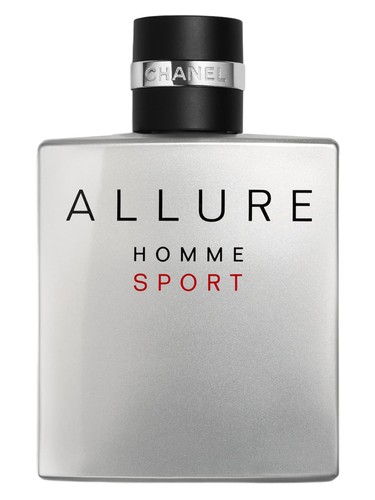
However, the community doesn''t shy away from concerns. Performance inconsistency across different flankers is mentioned, particularly poor longevity reports from the Homme line. Some users find certain formulations heavy, describing them as cloying by midday. There are also interesting reports of olfactory perception shifts over time—what smelled one way initially can evolve in how your nose interprets it with continued wear.
How It Comparisons
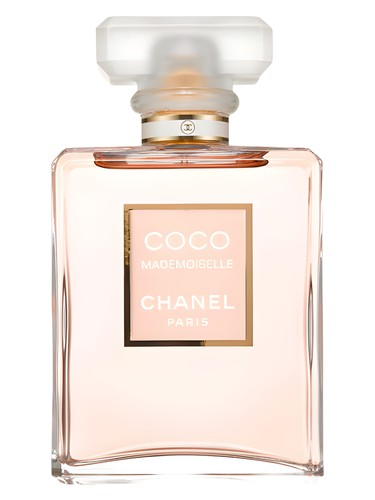
Allure sits in distinguished company among similar fragrances: its own Eau de Parfum concentration, Dior''s J''adore and Pure Poison, Chanel''s own Coco Mademoiselle, and Lancôme''s Poème. What distinguishes Allure in this lineup is its citrus-fruity opening—more playful than J''adore''s champagne florals, less gourmand than Coco Mademoiselle, more approachable than Pure Poison''s white floral intensity. It occupies a sweet spot between classic sophistication and modern wearability.
The Bottom Line
With 6,027 votes yielding a 4.07 rating, Allure has proven its staying power over nearly three decades. This isn''t a fragrance that chases trends or demands attention; it earns respect through consistency and craftsmanship. The concerns about performance variations and occasional heaviness are worth noting—if you''re considering Allure, test it on your skin throughout a full day before committing.
This fragrance is ideal for those building a wardrobe of reliable, sophisticated options rather than collecting bold statement pieces. If you gravitate toward citrus and florals but want more depth than a simple eau fraîche, if you need something that transitions seamlessly from coffee meetings to dinner plans, if you value the security of knowing you smell polished without being obvious—Allure deserves your attention. It may not set your world on fire, but it will make navigating that world considerably more elegant.
AI-generated editorial review