First Impressions
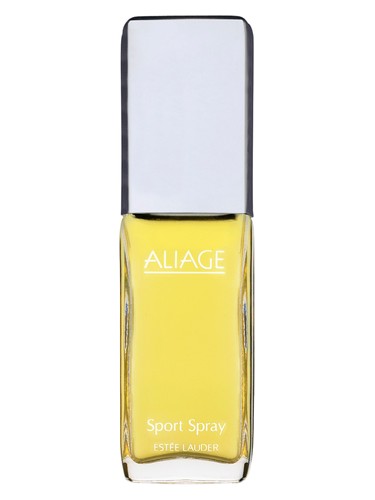
The first spray of Aliage is not a gentle introduction—it''s a declaration. Bright citrus collides with jasmine in an opening that feels simultaneously fresh and grounded, like stepping into a sun-dappled forest where morning dew still clings to moss-covered stones. This is not the sweet, approachable florals many associate with Estée Lauder''s portfolio. Instead, Aliage announces itself with an almost defiant greenness, a scent that knows exactly what it is and makes no apologies for being unapologetically bold. The dominant woody character reveals itself immediately, supported by an earthy backbone that grounds every bright note in something deeper, more complex, and decidedly untamed.
The Scent Profile
Aliage''s construction reads like a masterclass in balancing opposing forces. The top notes of citruses and jasmine create an intriguing tension from the start—the jasmine here isn''t indolic or heady, but rather sharp and green, playing companion to the citrus rather than competitor. Together, they create an opening that feels crisp yet substantial, bright yet serious.
As the fragrance settles into its heart, the composition reveals its true complexity. Artemisia brings a bitter, herbal quality that''s both medicinal and beautiful—this is where Aliage earns its aromatic accord rating of 68%. The artemisia works in concert with nutmeg, which adds a fresh spicy dimension (50% accord strength) that keeps the green notes from becoming too austere. Rose appears here too, but don''t expect romance; this is rose stripped of sweetness, presented in its most natural, slightly thorny state. It''s the kind of rose that still has dirt under its roots.
The base is where Aliage truly shows its vintage bones, in the best possible way. Oakmoss dominates with that mossy accord registering at 69%—a generous helping of this now-restricted material that gives the fragrance its distinctive earthy quality (84%). Vetiver and cedar form the woody foundation that scores a perfect 100% in the accord breakdown, creating a dry, slightly smoky finish that can last for hours. This isn''t a base that fades politely; it''s a statement that lingers, transforming from green forest floor to weathered wood as the hours pass.
Character & Occasion
The community data tells a clear story: Aliage is overwhelmingly a daytime fragrance, rating 100% for day wear versus just 38% for evening. This makes perfect sense—there''s a purposeful, professional quality to Aliage that suits morning meetings and afternoon errands better than candlelit dinners. It''s not that the fragrance lacks sophistication; rather, it possesses a kind of serious elegance that feels more boardroom than ballroom.
Seasonally, Aliage shows remarkable versatility, though with clear preferences. Spring leads at 71%, which tracks perfectly with the fragrance''s green, renewal-oriented character. Fall follows at 60%, where those earthy, mossy notes align beautifully with changing leaves and cooler air. Summer registers at 56%—surprising for such a woody scent, but the fresh citrus opening and aromatic qualities make it work in warmer weather, provided you don''t overdo it. Winter, at 39%, is the only season where Aliage feels slightly out of place, lacking the warmth and sweetness many crave during colder months.
This is a fragrance for someone confident in their own skin, someone who doesn''t need their perfume to whisper sweet nothings. It suits the woman who appreciates quality over trends, substance over flash.
Community Verdict
With a rating of 4.07 out of 5 based on 526 votes, Aliage has earned genuine respect from those who''ve experienced it. This isn''t a massive sample size compared to modern blockbusters, but that actually tells its own story—Aliage has a dedicated following rather than mass-market ubiquity. The fact that it maintains such a strong rating more than fifty years after its 1972 launch speaks to its quality and timelessness. These aren''t casual samplers inflating scores; these are wearers who sought out this specific green chypre experience and found it delivered.
How It Compares
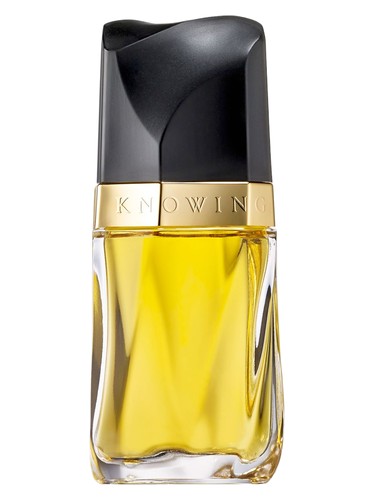
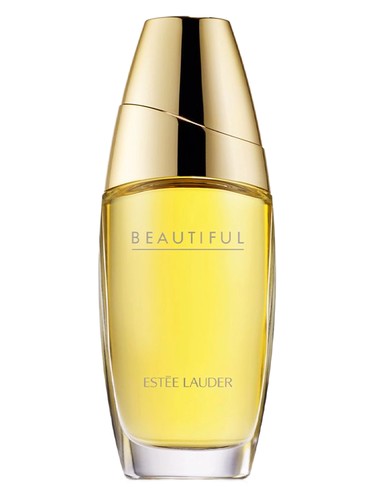
Aliage exists in distinguished company. Its similarity to Aromatics Elixir by Clinique makes sense—both are uncompromising green chypres from the same era. Cabochard by Grès and Chanel N°19 share that same bitter-green sophistication, while Rive Gauche by Yves Saint Laurent offers a slightly softer take on similar themes. Interestingly, Knowing by Estée Lauder appears on the similar list—it''s as if Lauder took Aliage''s DNA and dressed it in a warmer, spicier coat.
Within this category of classic green chypres, Aliage distinguishes itself through its pronounced earthiness and that remarkably strong woody accord. Where N°19 leans more aldehydic and Cabochard more leathery, Aliage commits fully to its forest-floor inspiration.
The Bottom Line
Aliage isn''t for everyone, and that''s precisely its strength. In an era of crowd-pleasing fragrances designed to offend no one, this 1972 creation stands as a reminder that perfume can be challenging, complex, and completely captivating all at once. The 4.07 rating reflects genuine appreciation from those who understand what it''s trying to achieve.
Should you buy it? If you''re drawn to green scents, if you appreciate vintage compositions with real oakmoss, or if you''re simply tired of sweet, safe fragrances, absolutely. Given its age and niche appeal, it typically represents solid value compared to modern niche releases offering similar profiles. This is a fragrance with history, integrity, and a point of view—qualities increasingly rare in modern perfumery. Try it in spring, wear it during the day, and prepare for a scent experience that''s resolutely, magnificently green.
AI-generated editorial review