First Impressions
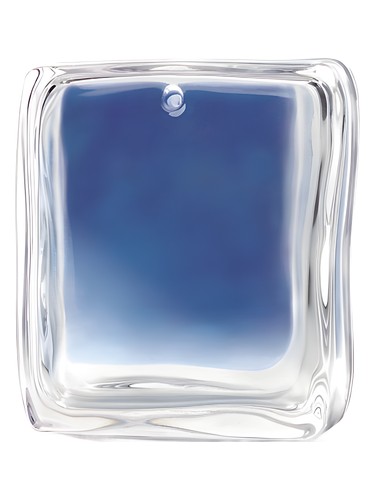
The first spray of Kenzo Air feels like stepping into a Japanese meditation garden at dawn—there''s an immediate sense of spaciousness, yet something quietly spiced hovers in the atmosphere. The fragrance announces itself not with a shout but with a whisper, leading with an anise accord that''s both recognizable and somehow abstracted, as if viewed through frosted glass. This is soft spiciness at its most ethereal, a paradox that defines everything about this 2003 release. Where many masculine fragrances of its era leaned into aggressive woods or heavy aromatic blasts, Air chose a different path entirely—one of restraint, breath, and negative space.
The Scent Profile
While Kenzo has kept the specific note breakdown close to the vest, the fragrance''s accord profile tells a revealing story. The composition is dominated by soft spice (100%) and anise (95%), creating an opening that reads almost like star anise steeped in white musk—warm but weightless, sweet but never cloying. There''s a licorice-adjacent quality that some will find polarizing, but it''s rendered with such delicacy that even those typically averse to anise may find themselves reconsidering.
As Air settles, aromatic facets (69%) emerge, likely suggesting lavender or sage-like herbal notes that ground the sweeter opening in something more traditionally masculine. The woody backbone (65%) provides structure without ever becoming the focal point—think pale woods like cedar or perhaps a whisper of sandalwood rather than anything heavy or resinous.
The musky base (44%) becomes more apparent in the dry down, creating that signature "air-like" quality that gives the fragrance its name. This isn''t the sharp synthetic musk of sport fragrances, but rather a skin-like veil that makes the spices and aromatics feel like they''re emanating from within rather than sitting atop the skin. A gentle sweetness (43%) threads through all phases, rounding edges and creating cohesion between the anise, aromatics, and woods.
What''s striking is how seamlessly these elements blend. Air doesn''t offer dramatic transitions or distinct phases—instead, it''s an exercise in soft-focus perfumery, where accords fade in and out like breathing itself.
Character & Occasion
This is overwhelmingly a daytime fragrance (100% day versus just 29% night), and the community data confirms what the nose already knows: Air thrives in natural light and open spaces. It''s ideally suited for spring (86%) and summer (76%), those seasons when heavy fragrances feel oppressive and you want something that moves with you rather than announcing your presence.
Fall (43%) remains workable territory, particularly during those transitional days when summer hasn''t quite released its grip. Winter (23%), however, seems to dilute Air''s charms—this isn''t a fragrance built for cold weather projection or the cozy weight that winter often demands.
The wearer profile skews toward those who appreciate understated sophistication. This isn''t for the fragrance beginner seeking compliments or the bold character looking to dominate a room. Instead, Air appeals to the person who''s moved beyond loud statements, who understands that true luxury often whispers. It''s office-appropriate without being boring, casual without being forgettable, refined without being stuffy.
Community Verdict
With a rating of 4.36 out of 5 from 824 votes, Air has cultivated a dedicated following over its two-decade lifespan. This is a notably strong score, particularly for a fragrance that refuses to pander to conventional masculine tropes. The voting base suggests a community that appreciates Air''s subtlety—these aren''t casual samplers inflating scores, but wearers who''ve spent time with the fragrance and returned to rate it favorably.
That it has maintained relevance since 2003 speaks volumes in an industry obsessed with newness. Air hasn''t survived through aggressive marketing or reformulation hype, but through quiet word-of-mouth and repurchases from those who''ve discovered its particular magic.
How It Compares
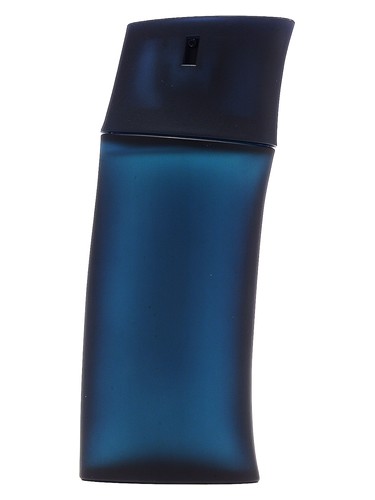
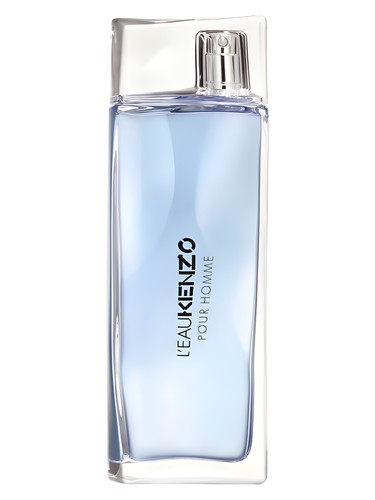
The comparison set reveals Air''s interesting position in the masculine landscape. Opium Pour Homme shares that spicy-anise DNA, though it''s considerably more opulent and evening-oriented. Encre Noire offers dark, brooding woods that contrast sharply with Air''s lightness, while Kenzo pour Homme (the brand''s flagship masculine) takes a more aquatic-marine direction.
The Chanel comparisons—Egoiste Platinum and Antaeus—are perhaps most instructive. All three fragrances exhibit refinement and restraint, but where the Chanels command respect through classical structure, Air achieves it through absence and space. It occupies a unique position: too sophisticated to be dismissed as a simple fresh fragrance, too light to compete with powerhouse masculines, too distinctive to blend into the aromatic woody crowd.
The Bottom Line
Kenzo Air deserves its 4.36 rating not because it''s universally appealing—it isn''t—but because it executes its vision with precision and grace. This is a fragrance that rewards patience and context. Worn in sweltering August heat or during a spring morning commute, it makes perfect sense. Sprayed hoping for winter warmth or evening drama, it will disappoint.
If you''re drawn to anise and soft spices, if you appreciate Japanese aesthetic principles applied to perfumery, if you''re tired of shouty masculines and want something contemplative, Air is worth seeking out. Twenty years on, it remains quietly radical—a masculine fragrance that chose breath over bombast, and in doing so, created something genuinely timeless.
For those building a well-rounded collection, Air fills a specific but valuable niche: your warm-weather, daytime, office-to-coffee-shop fragrance that won''t intimidate but won''t be ignored by those paying attention. At its rating level and with its dedicated community, it''s a fragrance that has proven its worth through the ultimate test—time.
AI-generated editorial review