First Impressions
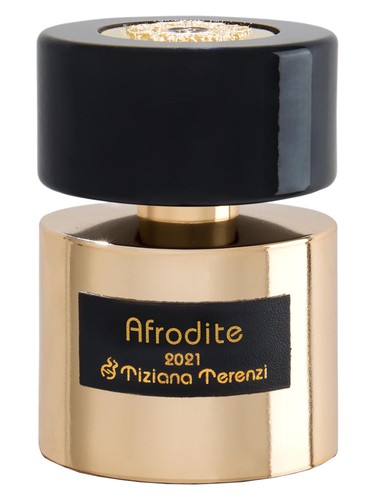
The first spray of Afrodite feels like stepping into a sunlit garden at the precise moment spring shifts from promise to reality. There''s an immediate brightness—white currant''s tart clarity mingling with the pillowy softness of lilac and the fuzzy sweetness of white peach. This isn''t the bombastic entrance you might expect from a fragrance named after the goddess of love and beauty. Instead, Tiziana Terenzi''s 2018 creation introduces itself with restraint, a whisper of pink pepper adding just enough intrigue to suggest that something more complex waits beneath the fruit and florals.
What strikes you first is the freshness. This is a floral composition that breathes, that allows air and light to circulate through its structure. The vanilla bean presence in the opening—an unusual choice for a top note—creates an almost creamy backdrop for the fruit and flowers to play against, foreshadowing the comfort that will emerge as the fragrance develops.
The Scent Profile
Afrodite''s evolution is graceful rather than dramatic, each phase melting into the next like watercolors bleeding across wet paper. Those initial moments of peach and lilac gradually make way for the heart, where the real floral story unfolds. Lily-of-the-valley brings its characteristic green freshness, a spring-like innocence that prevents the composition from tipping into cloying territory. Tuberose and neroli add dimension—the tuberose more suggestion than statement, offering creamy richness without its typical narcotic intensity, while neroli contributes a subtle citrus-floral shimmer.
Geranium and iris work as structural elements here, the former adding a rosy, slightly green facet, the latter lending its powdery sophistication. This is where Afrodite reveals its complexity; it''s not simply a fruity floral, but a carefully orchestrated garden scene where each bloom has its role. The iris particularly stands out as the fragrance settles, creating an elegant, slightly cool contrast to the warmer notes surrounding it.
The base is where Afrodite surprises most. White musk and ambergris create a soft, skin-like foundation that feels intimate and refined. Patchouli appears in its gentler incarnation, providing earthy depth without darkness, while sandalwood and ebony add a subtle woodiness that grounds the entire composition. This isn''t a fragrance that undergoes radical transformation from top to base; rather, it''s a gradual settling, like watching fresh flowers slowly dry into something equally beautiful but more enduring.
Character & Occasion
The community data tells a clear story: Afrodite is spring''s perfume soulmate, scoring a perfect 100% for the season. This makes intuitive sense—it captures everything we associate with spring renewal: fresh florals, bright fruits, gentle warmth, and optimistic energy. But its versatility extends beyond a single season, performing admirably in summer (65%) and fall (55%), while understandably retreating in winter''s cold (29%).
This is decidedly a daytime fragrance, with 85% day wear rating versus just 28% for evening. There''s nothing about Afrodite that demands dimmed lights or formal occasions. Instead, it excels in sunlight—at garden parties, weekend brunches, office environments, outdoor gatherings. It''s the fragrance for moments when you want to smell deliberately beautiful without making a loud statement about it.
The feminine classification fits, though not in a limiting way. Afrodite embodies a soft, approachable femininity—fresh florals and fruit rather than powder and lipstick. It''s for someone who appreciates beauty without ostentation, who wants their fragrance to feel like an extension of themselves rather than a costume.
Community Verdict
With a rating of 3.76 out of 5 from 408 votes, Afrodite sits comfortably in "very good" territory without quite reaching masterpiece status. This is a respectable showing that suggests a fragrance with genuine appeal but perhaps without the singular vision or exceptional quality that drives ratings above 4.0. The vote count indicates solid interest—enough wearers to establish consensus, suggesting this is a fragrance worth exploring rather than dismissing, even if it hasn''t achieved cult status.
That rating feels honest. Afrodite is beautifully composed and highly wearable, but it doesn''t take significant risks or break new ground in the floral category. It''s very good at what it does without being revolutionary.
How It Compares
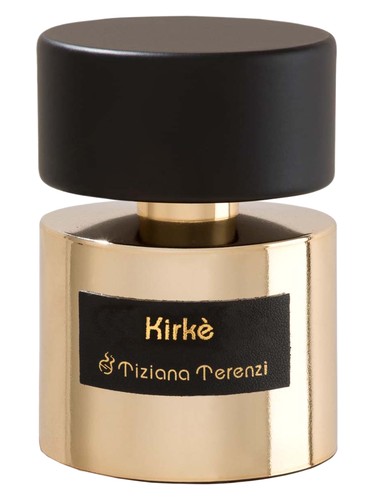
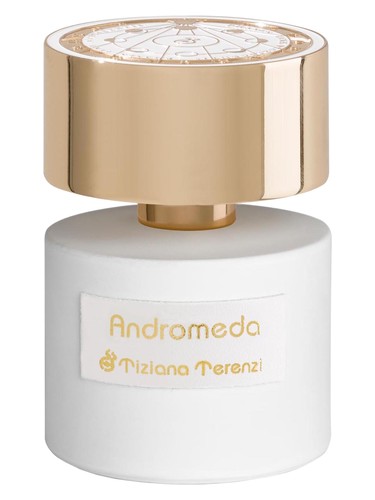
Tiziana Terenzi''s own Andromeda, Cassiopea, and Kirkè share DNA with Afrodite, suggesting a house style that favors complex, layered compositions with both freshness and depth. The comparison to Amouage''s Sunshine Woman points to a shared brightness and optimistic character, while the Delina reference from Parfums de Marly suggests similar territory in the fresh, fruity-floral space.
Where Afrodite distinguishes itself is in its restraint. It doesn''t pursue the gourmand intensity some modern florals favor, nor does it lean heavily into the aquatic freshness of lighter alternatives. Instead, it occupies a middle ground—substantial enough to be interesting, fresh enough to be versatile.
The Bottom Line
Afrodite won''t be everyone''s holy grail, and its 3.76 rating reflects that reality. But for those seeking a sophisticated spring and summer floral that balances freshness with warmth, fruit with flowers, and presence with wearability, this deserves attention. It''s particularly suited to those who find many white florals too heavy or fruit-forward scents too juvenile—Afrodite threads that needle with skill.
The value proposition depends on pricing and personal priorities. This is a well-executed fragrance rather than a groundbreaking one, which may or may not justify Tiziana Terenzi''s typical positioning. Sample first, especially if you already own similar fresh florals. But if the profile speaks to you, Afrodite delivers exactly what it promises: goddess-like beauty rendered in wearable, human-scaled form.
AI-generated editorial review