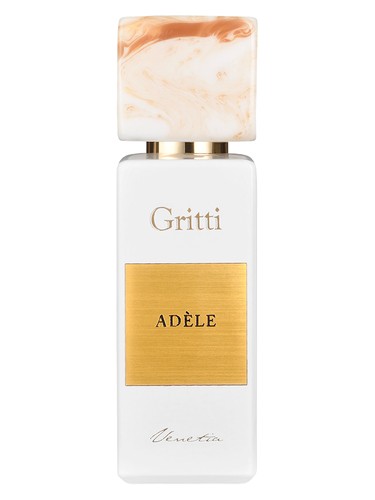
First Impressions
The first spray of Adèle transports you to a walled garden at daybreak, where dew still clings to petals and the morning sun begins its gentle work. Osmanthus leads the charge with its distinctive apricot-leather complexity, immediately joined by jasmine''s indolic warmth and the velvet touch of May rose. This isn''t a timid floral introduction—it''s confident, luminous, and surprisingly fruity despite its decidedly botanical origins. That peachy-apricot quality of osmanthus dominates those opening moments, creating an impression that''s both classically floral and unexpectedly juicy, a characteristic that registers strongly in the fragrance''s 70% fruity accord rating.
The Scent Profile
Adèle''s architecture reveals itself as a study in contrasts, built on the tension between light and shadow, innocence and experience. Those opening notes—osmanthus, jasmine, and May rose—form a triumvirate of complexity. The osmanthus provides that signature apricot facet while the jasmine adds depth and a touch of animalic warmth even in the opening stages. May rose, the most refined of rose varieties, contributes a dewy, slightly green quality that keeps the composition from becoming too heavy.
As the fragrance settles into its heart, tuberose and narcissus take center stage, and here Adèle reveals its true character. The tuberose is masterfully handled—creamy and narcotic without veering into the territory of those bruising, mentholated white florals that can overwhelm. It''s buttery, slightly coconut-tinged, and unmistakably present (accounting for that 49% tuberose accord). The narcissus adds a honeyed, almost hay-like sweetness, bridging the gap between the fruit-forward opening and the more grounded base to come.
The foundation of ambergris and cedar provides surprising restraint. Rather than announcing themselves, these base notes work as a frame for the floral portrait above. The ambergris lends a subtle salinity and skin-like warmth—that elusive "animalic" quality that registers at 36% in the accord profile—while cedar adds just enough woody structure to prevent the composition from floating away entirely. This base never dominates; instead, it anchors all that floral exuberance with whispers rather than declarations.
Character & Occasion
Adèle is unequivocally a daytime fragrance, and the community data confirms what the nose already knows: this is a scent built for sunshine. With perfect scores for both spring and day wear, it finds its natural habitat in warm weather and daylight hours. Summer follows close behind at 88%, making this an ideal companion for the seasons when gardens are in full bloom and light lingers longest.
This is a fragrance for the woman who appreciates classical floral compositions but wants something with more personality than a straightforward soliflore. It skews sophisticated rather than youthful, despite its bright character—the complexity of that osmanthus opening and the subtle animalic undertones ensure this won''t be mistaken for something juvenile. Fall wearability at 64% suggests it can transition into cooler weather with the right outfit and occasion, though winter at 35% confirms what you''d suspect: this is fundamentally a warm-weather creation.
The 32% night rating tells you something important: Adèle doesn''t project aggressively or wrap you in heavy sensuality. It stays close, radiating rather than projecting, making it office-appropriate and perfect for situations where you want to be discovered rather than announced.
Community Verdict
With a rating of 3.92 out of 5 from 642 voters, Adèle sits comfortably in "very good" territory. This isn''t a polarizing fragrance—it''s not trying to reinvent the wheel or shock the senses. Instead, it''s a well-executed floral composition that delivers on its promises. The substantial vote count suggests staying power in the market and genuine interest from the fragrance community, while the rating indicates consistent quality without reaching that rarefied 4.5+ territory reserved for instant classics or cult favorites.
How It Compares
Adèle occupies interesting company among its similar fragrances. It shares DNA with Good Girl Gone Bad by By Kilian and Sunshine Woman by Amouage—both known for their sophisticated floral profiles with unexpected twists. The comparison to Chance Eau Tendre by Chanel speaks to that fruity-floral accessibility, while the Delina reference points to its romantic, rose-inflected character. Marfa by Memo Paris suggests a shared warmth and subtle earthiness.
Where Adèle distinguishes itself is in that osmanthus-forward opening and its particular balance of brightness and depth. It''s less gourmand than some contemporaries, less overtly sexy than others, finding instead a middle path that emphasizes natural florals given a golden, slightly animalic glow.
The Bottom Line
Gritti''s Adèle is a thoughtfully composed floral fragrance that knows exactly what it wants to be: a celebration of spring and summer''s most beautiful flowers, rendered with technical skill and a subtle hand. It won''t be the most challenging or avant-garde fragrance in your collection, but it might be one of the most wearable. The 3.92 rating reflects its quality—this is well-made, beautiful perfumery that stops just short of exceptional.
This fragrance deserves exploration from anyone who loves white florals but finds many modern interpretations too heavy, too sweet, or too synthetic. If you''ve worn and loved the reference fragrances listed above, Adèle offers a variation on familiar themes worth sampling. It''s particularly suited to those who want their florals sun-soaked rather than moonlit, approachable rather than intimidating, and refined without being distant. In a market crowded with floral offerings, Adèle earns its place through balance, quality ingredients, and a clear point of view.
AI-generated editorial review