First Impressions
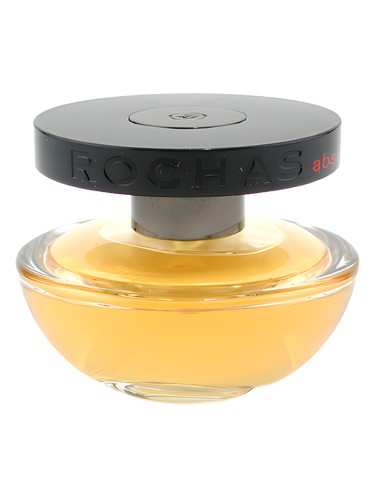
Spray Rochas Absolu, and you''re immediately caught in a paradox. The opening feels like sunlight filtered through amber glass—bright mandarin orange mingles with the green, milky sap of fig leaf, creating an impression that''s simultaneously fresh and rich. This isn''t the sharp, wake-up-call citrus of conventional fruity florals. Instead, there''s a weighted quality to that initial burst, a hint of the resinous foundation already promising to anchor what could otherwise float away. It''s an introduction that announces serious intent: this is a fragrance that refuses to choose between lightness and depth, insisting instead on both.
The Scent Profile
The journey from top to base in Absolu reveals a compositional sophistication that explains its enduring appeal more than two decades after its release. Those opening notes—mandarin orange paired with fig leaf—establish a verdant citrus character that feels almost Mediterranean. The fig leaf contributes a lactonic, slightly bitter greenness that keeps the mandarin from becoming too cheerful or commonplace.
As the fragrance settles into its heart, complexity multiplies. Orange blossom arrives with its characteristic indolic richness, while lily adds a creamy floralcy that softens the composition''s edges. Here''s where Absolu becomes genuinely intriguing: pepper introduces a warm spiciness that the data confirms as a major accord (44%), creating friction against the white florals. Rose, that most classic of perfume notes, weaves through this bouquet not as a soliflore statement but as a supporting player, adding dimension without dominating.
But the true architecture of Absolu reveals itself in the base, where benzoin, tolu balsam, labdanum, and cedar create an amber foundation so dominant it registers at 100% in the accord profile. This isn''t the light, vanillic amber of contemporary crowd-pleasers. Instead, these balsamic resins—benzoin with its vanilla-tinged sweetness, tolu balsam''s cinnamon-like warmth, labdanum''s leather-adjacent richness—combine into something genuinely enveloping. Cedar provides just enough woody structure to prevent the composition from becoming cloying, though make no mistake: sweetness (32%) and powder (29%) are present, giving Absolu a vintage sensibility that links it to perfumery''s golden age.
Character & Occasion
The data reveals something fascinating about Absolu: it''s rated as suitable for all seasons with equal weight given to day and night wear. This versatility speaks to the fragrance''s balanced structure—warm enough for winter''s chill, yet that citrus-fig opening provides enough brightness for warmer months. The amber-spice combination might lean slightly cooler-weather in practice, but the white floral heart (43%) keeps it from becoming oppressively heavy.
This is a fragrance for someone who appreciates complexity and isn''t chasing trends. The woman who wears Absolu likely has a developed relationship with perfume—she understands that fragrance should create an aura rather than announce a presence. It works beautifully in professional settings where you want to project warmth and capability without aggression, yet possesses enough depth for evening wear. The 2002 release date places it in an era before perfumery became obsessed with transparent "my skin but better" musks, and that vintage sensibility is part of its appeal.
Community Verdict
With a rating of 4.1 out of 5 stars based on 1,293 votes, Absolu has earned genuine respect from a substantial community. This isn''t a niche curiosity with fifty devoted fans—over a thousand people have weighed in, and the consensus is decisively positive. That rating suggests a fragrance that delivers on its promises: well-constructed, wearable, distinctive without being challenging. The vote count also indicates staying power; nearly two decades after its release, people are still discovering, wearing, and rating Absolu, which speaks volumes about its quality and relevance.
How It Compares
The comparison fragrances reveal Absolu''s pedigree. To be mentioned alongside Chanel''s Coco Eau de Parfum, Dior''s Dune, and Guerlain''s Shalimar is to occupy rarified territory—these are classics that defined their respective categories. Like Coco, Absolu balances spice and warmth with baroque richness. It shares Dune''s ability to marry freshness with depth, though Absolu leans more overtly amber-focused. The Shalimar comparison highlights the balsamic, resinous quality, though Absolu feels more approachable and less aggressively animalic.
Poison and LouLou round out the comparisons, suggesting Absolu''s kinship with the bold, unapologetic feminines of the 1980s and 1990s—fragrances that prioritized presence and artistry over focus-grouped mass appeal. Where Absolu distinguishes itself is in that opening brightness and the peppery heart, which keep it from feeling dated or heavy-handed.
The Bottom Line
Rochas Absolu deserves more attention than it receives. In an era when "amber" often means a sweet, linear vanilla-patchouli combination, Absolu offers genuine balsamic complexity rooted in benzoin, labdanum, and tolu balsam. The 4.1 rating from over 1,200 voters isn''t accidental—this is a well-crafted fragrance that rewards wearing.
If you appreciate vintage-inspired compositions with modern wearability, if you gravitate toward warmth without sacrificing brightness, if you want something that can transition seamlessly across seasons and occasions, Absolu merits exploration. It won''t be for everyone—those seeking fresh, aquatic, or gourmand profiles should look elsewhere. But for admirers of amber done right, for those who still mourn the discontinuation of certain 1990s powerhouses, for anyone building a collection that spans perfumery''s stylistic evolution, Rochas Absolu is absolutely worth discovering.
AI-generated editorial review