First Impressions
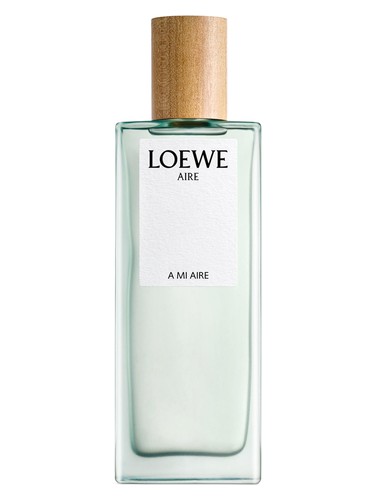
The first spray of A Mi Aire feels like opening shutters to a sunlit Mediterranean morning. There''s an immediate burst of citrus that''s both bright and surprisingly complex—bergamot and mandarin dancing with tangerine in a trio that avoids the typical sweet citrus cliché. What sets this opening apart is the whisper of clove threading through the fruits, a spicy accent that hints at the sophistication waiting beneath. This isn''t your average citrus fragrance; it''s citrus with a backbone, a hint of intrigue that suggests Loewe had no intention of creating just another fresh feminine scent.
The Spanish house launched A Mi Aire in 2005, and even nearly two decades later, it stands as a reminder that "fresh" doesn''t have to mean forgettable. The name translates to "my way" or "at my own pace," and that independent spirit is evident from the first moment on skin.
The Scent Profile
The dominant citrus accord—scoring a perfect 100% in the fragrance''s profile—delivers exactly what it promises in those opening minutes. Bergamot provides the classic cologne-like freshness, while mandarin and tangerine add roundness and natural sweetness. But it''s the clove that makes you pause and reconsider what you thought you knew about citrus openings. This warmth prevents the fragrance from veering into sharp, astringent territory.
As the heart develops, A Mi Aire reveals its most intriguing layer: a tea note that forms the aromatic bridge between the bright citrus and the woody base. This isn''t heavily floral despite the presence of jasmine, rose, and carnation—the floral accord registers at just 29%, meaning these blooms provide texture rather than dominating the composition. The pepper and carnation add to the fresh spicy character (66%), creating a green-tinged, slightly piquant middle phase that feels both refined and natural. The tea note, in particular, gives the fragrance an airy, meditative quality that sets it apart from typical citrus-florals.
The base is where A Mi Aire truly distinguishes itself from the crowd. Hinoki wood and cedar form a woody foundation (88% accord) that''s remarkably strong for what many might dismiss as a simple summer fragrance. Hinoki, a Japanese cypress with a clean, slightly lemony wood character, maintains the freshness while adding substantial depth. Cedar provides dryness, while musk and moss round out the composition with softness and a touch of earthiness. This base ensures the fragrance doesn''t simply evaporate into memory after an hour—it lingers, quietly confident, on skin.
Character & Occasion
The community data reveals exactly what A Mi Aire was designed to be: a summer perfume, scoring 100% for warm-weather wear. Spring follows closely at 80%, while fall and winter lag significantly at 22% and 11% respectively. This is a fragrance that thrives in warmth, where its citrus-woody character can truly shine without being overwhelmed by heavy clothing or competing with cold air.
The day-versus-night breakdown is equally telling: 100% day, 12% night. This is morning coffee on a terrace, linen clothing, sun-dappled afternoons. It''s the scent of someone who has places to be but refuses to be rushed—sophisticated enough for the office, relaxed enough for weekend markets, fresh enough for outdoor lunches that stretch into early evening.
Who is this for? The woman who finds typical fruity florals too sweet and aquatic fragrances too synthetic. Someone who appreciates minimalism but wants something with more character than the average "clean" scent. The aromatic and green accords (56% and 32%) suggest this could appeal to those who occasionally borrow from masculine fragrances but want something definitively their own.
Community Verdict
With a rating of 3.94 out of 5 from 577 votes, A Mi Aire sits comfortably in "very good" territory. This isn''t a polarizing fragrance—it doesn''t aim to be revolutionary. Instead, it excels at what it sets out to do: provide sophisticated, wearable freshness with enough complexity to remain interesting. The solid vote count suggests a loyal following who''ve discovered what works about this fragrance and return to it season after season.
That rating reflects a perfume that may not inspire obsessive passion but earns consistent respect. It''s the type of fragrance that grows on you, revealing subtle facets over time rather than demanding immediate attention.
How It Compares
A Mi Aire shares DNA with some major players: Versace''s Versense, Dolce & Gabbana''s Light Blue, Chanel''s Chance Eau Fraiche, Giorgio Armani''s Acqua di Gioia, and even Coco Mademoiselle. This is impressive company—fragrances that defined or redefined fresh luxury in the 2000s.
Where Light Blue leans heavily into apple and citrus sweetness, and Versense emphasizes tropical greenness, A Mi Aire carves out space with its tea-and-hinoki character. It''s less overtly fruity than Light Blue, more grounded than Chance Eau Fraiche, and woodier than Acqua di Gioia. The comparison to Coco Mademoiselle might seem surprising given that fragrance''s patchouli-citrus orientation, but both share a fresh-spicy sophistication that bridges casual and formal occasions.
The Bottom Line
A Mi Aire deserves more attention than it typically receives. In an era when fresh fragrances often feel interchangeable, this Loewe creation offers genuine character—citrus that doesn''t quit after twenty minutes, woody notes that don''t overwhelm, and an overall composition that feels both contemporary and timeless.
At its price point (generally more accessible than the Chanel and Armani comparisons), it represents solid value for anyone seeking a reliable warm-weather signature that won''t announce itself across a room but will earn compliments at close range. The 3.94 rating reflects honest quality: this is a well-made fragrance that does exactly what it promises.
Should you try it? Absolutely, if you''re tired of synthetic aquatics or overly sweet citrus. If you appreciate Japanese minimalism, quality woody notes, or fragrances that feel effortless rather than trying too hard, A Mi Aire might become your warm-weather essential. It''s not chasing trends—it''s simply doing its own thing, at its own pace. Very much a mi aire, indeed.
AI-generated editorial review