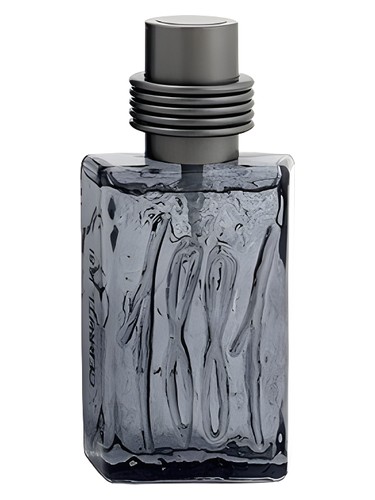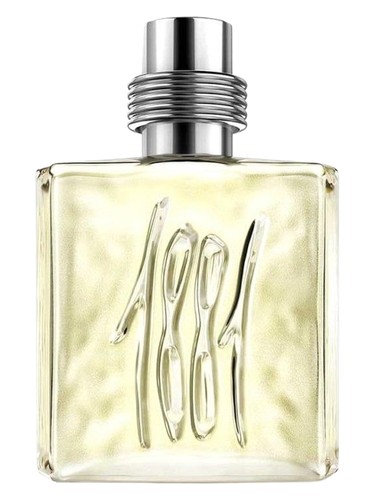
First Impressions
The first spray of Cerruti 1881 Men announces itself with an unmistakable verdancy—a crisp collision of juniper and cypress that conjures images of mountain forests after rain. There''s an immediate freshness here, but not the scrubbed-clean citrus brightness of typical masculine fragrances. Instead, the opening feels like crushing pine needles between your fingers while standing in a herb garden, with bergamot providing just enough brightness to keep the composition from becoming too brooding. The lavender and carnation peek through, adding a subtle floral softness that keeps the aromatic intensity in check, while galbanum and elemi resin contribute a green, almost medicinal quality that defines the fragrance''s character from the very first moments.
The Scent Profile
The evolution of 1881 Men reveals a composition that''s thoroughly rooted in the woody-aromatic tradition of late-20th-century masculine perfumery, yet it maintains its own distinctive personality. Those opening notes—dominated by the juniper-cypress-lavender trinity—set the stage for what becomes an increasingly complex olfactory journey.
As the fragrance settles into its heart, vetiver takes center stage, reinforcing the earthy-green character established in the opening. This isn''t vetiver as a solo performer, though; it''s supported by an unexpected cast of florals. Ylang-ylang and rose bring a creamy, almost powdery quality that might seem incongruous in such an overtly masculine composition, yet they work to soften the aromatic edges. Cassia adds a hint of warm spice, while lily-of-the-valley contributes a transparent, dewy quality that prevents the mid-phase from becoming too heavy.
The base is where 1881 Men truly reveals its woody credentials—that 100% woody accord rating isn''t just for show. Oakmoss provides the backbone, delivering that classic chypre-adjacent quality that was far more common in pre-IFRA-restriction formulations. Pine and cedar reinforce the coniferous theme from the opening, while patchouli adds depth and a touch of earthiness. Sandalwood smooths everything out with its creamy texture, musk provides subtle skin-clinging tenacity, and pepper adds a final spicy kick that keeps the drydown from becoming too sedate.
Character & Occasion
This is emphatically a daytime fragrance—the data shows 100% day suitability versus only 35% for evening wear, and that makes perfect sense. The green-woody-aromatic profile is built for natural light, for professional settings, for outdoor activities. It''s the olfactory equivalent of a well-tailored linen blazer: appropriate, refined, and effortlessly versatile.
Seasonally, 1881 Men performs best from spring through fall, with a remarkable 97% spring suitability leading the charge. At 77% summer-appropriate, it handles warm weather surprisingly well for such a woody composition—that fresh spicy accord (51%) and persistent green-aromatic quality keep it from feeling heavy in the heat. Fall sees a respectable 71% rating, while winter trails at just 33%. This isn''t a cozy, enveloping cold-weather scent; it''s a fragrance that thrives when there''s growth, movement, and air.
The ideal wearer? Someone who appreciates understated sophistication over loud projection. This isn''t a fragrance for those seeking compliments or attention—it''s for the person who wants to smell quietly refined, competent, and composed. It suits professional environments, golf courses, garden parties, and weekend brunches equally well.
Community Verdict
The Reddit fragrance community hasn''t weighed in substantially on Cerruti 1881 Men in the available discussions, leaving us without the typical chorus of detailed user experiences and passionate opinions. This silence is itself telling—1881 Men exists in that curious middle space of fragrances that are well-liked (as evidenced by its solid 3.99 out of 5 rating from 2,122 voters) but don''t generate the heated debates or enthusiastic evangelism of either cult classics or controversial releases.
The absence of community chatter might reflect the fragrance''s inherently understated nature. It''s not polarizing enough to inspire strong reactions, nor trendy enough to dominate scent-of-the-day posts. For some, this quiet competence is precisely the appeal; for others, it might read as forgettable.
How It Compares
The lineup of similar fragrances reveals 1881 Men''s position in the canon of classic masculine woody-aromatics. It shares DNA with Drakkar Noir''s powerhouse aromatic profile, though 1881 Men is considerably more refined and less aggressive. Egoiste Platinum comparison suggests a similar sophisticated approach to fresh masculinity, while the Encre Noire connection points to shared vetiver-cypress territory—though Lalique''s creation takes that theme to much darker, more austere extremes.
The Azzaro pour Homme link highlights the aromatic-fougère heritage, while Quorum suggests a shared appreciation for oakmoss-anchored compositions. Among this company, 1881 Men occupies the "refined professional" niche—less sporty than Azzaro, less intense than Drakkar, more accessible than Encre Noire.
The Bottom Line
Cerruti 1881 Men is a fragrance that rewards those who appreciate subtlety over spectacle. Its 3.99 rating from over two thousand voters suggests a broadly appealing composition that delivers on its promises without trying to be everything to everyone. This is old-school masculine perfumery done well—before freshness meant aquatics, and before woody meant synthetic iso-e-super haze.
The value proposition is strong for those seeking a versatile daytime scent with genuine character and quality construction. It won''t be the most exciting bottle in your collection, but it might well be one of the most reliable. If you''re drawn to green-woody compositions, if you appreciate fragrances from an era when oakmoss was still generously employed, or if you simply need something sophisticated for professional settings that won''t announce your presence three rooms away, 1881 Men deserves your attention.
It''s a gentleman''s fragrance in the truest sense—polite, composed, and quietly distinguished.
AI-generated editorial review