First Impressions
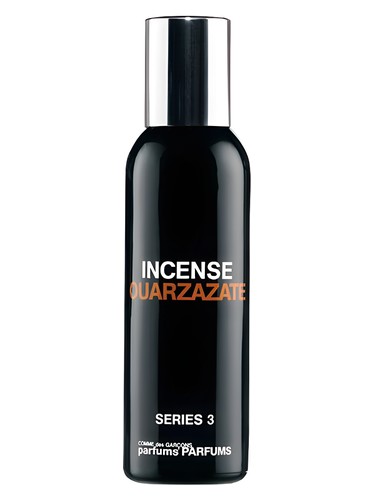
The first spray of Ouarzazate transports you immediately to its namesake—the Moroccan city known as the "door of the desert," where terracotta buildings glow amber under relentless sun. But this isn't a postcard-pretty interpretation. What hits first is a wave of resinous warmth, spicy and slightly raw, like walking into a souk where frankincense smolders in brass censers and sunlight bakes ancient walls to the color of honey. There's an immediate sense of dryness here, not parched but sun-warmed, the air itself seeming to shimmer with aromatic smoke. This is Comme des Garçons doing what they do best: taking a concept—in this case, the incense traditions of North Africa—and rendering it with both poetry and an unsentimental hand.
The Scent Profile
While specific note breakdowns aren't provided for Ouarzazate, the accord structure tells a vivid story. Amber dominates completely at 100%, establishing this as fundamentally a resinous, golden composition. But this isn't your typical sweet amber—it's immediately complicated by fresh spicy elements at 93%, creating an opening that feels both warm and aerated, like desert wind carrying hints of cardamom and pepper.
The woody accord at 85% provides substantial architecture, likely Atlas cedar or other North African woods that add a dry, slightly austere quality to the amber's natural sweetness. This woody backbone keeps the fragrance from ever becoming cloying, maintaining that sense of desert vastness rather than enclosed warmth.
What makes Ouarzazate particularly compelling is how the smoky accord at 66% weaves through the entire composition. This isn't billowing church incense—it's subtler, more like the persistent scent of coals that have burned down to embers. The smoke feels integrated rather than applied, as if the amber itself has been lightly charred.
As it develops, musky elements at 56% emerge to add skin-like intimacy to what could otherwise feel abstract. The warm spicy accord at 50% rounds out the base, suggesting cinnamon bark or perhaps the complex spice of labdanum resin itself. The overall impression is of a fragrance that maintains remarkable consistency—this is not a scent of dramatic transitions but rather of slowly shifting light on unchanging landscape.
Character & Occasion
The seasonal data reveals Ouarzazate as overwhelmingly autumnal, with 94% of wearers favoring it for fall. This makes perfect sense—there's something about its dry, spiced amber that perfectly captures those first cool days when you crave warmth without weight. Winter follows respectably at 67%, though the fragrance's relative lightness and fresh spicy qualities prevent it from being a heavy cold-weather scent. Interestingly, spring also scores 67%, suggesting versatility that extends beyond the typical incense season.
The day/night breakdown is particularly revealing: 100% daytime approval versus 52% for evening. This positions Ouarzazate as decidedly wearable, even office-appropriate despite its incense character. It doesn't announce itself with liturgical grandeur but rather settles into a personal halo of spiced warmth. Think cashmere sweaters and afternoon meetings rather than velvet jackets and late dinners.
While marketed as feminine, Ouarzazate's composition reads thoroughly unisex. The amber is dry rather than vanillic, the spices are savory rather than sweet, and there's an architectural quality that transcends traditional gender categories. Anyone drawn to woody ambers or contemplative incense fragrances will find much to appreciate here.
Community Verdict
With a rating of 4.12 out of 5 from 717 votes, Ouarzazate has earned solid respect from those who've experienced it. This is a notably strong score, particularly for a fragrance from the challenging, avant-garde Incense series. The vote count itself speaks to a dedicated following—not a blockbuster with tens of thousands of reviews, but a serious fragrance worn by those who seek out interesting compositions. That rating suggests consistent satisfaction: not everyone's desert island scent perhaps, but one that delivers on its promises and rewards those drawn to its particular aesthetic.
How It Compares
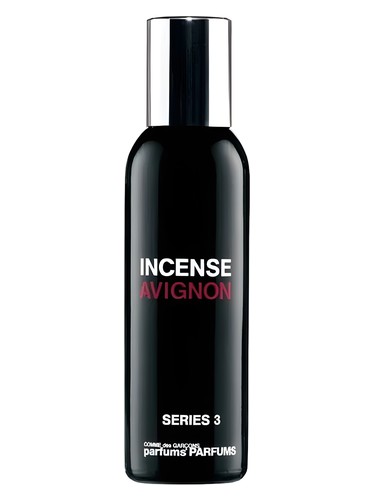
Ouarzazate sits within a distinguished family of similar fragrances. Its closest sibling, Comme des Garçons Series 3 Incense: Avignon, offers a more overtly liturgical take on incense—church frankincense versus desert ceremony. Black Eau de Toilette from the same house provides another entry point to Comme des Garçons' smoky aesthetic, though typically darker and more austere.
The Serge Lutens references are particularly apt: Fille en Aiguilles shares that sense of resinous dryness, while Ambre Sultan offers a parallel exploration of amber with spice and warmth. What distinguishes Ouarzazate is its particular balance—more approachable than Avignon's ecclesiastical intensity, more structured than Ambre Sultan's sensuality, and more specifically placed (geographically, conceptually) than most amber fragrances manage to be.
The Bottom Line
Ouarzazate succeeds brilliantly at its mission: capturing a place, a mood, a quality of light and air in liquid form. At 4.12 out of 5, it's clearly resonating with those who try it, and that score feels justified. This is a fragrance that knows exactly what it wants to be—a dry, spiced, smoky amber that evokes sun-baked North African landscapes without resorting to cliché or excess.
The main consideration is personal preference for this particular style. If you gravitate toward sweet, cozy ambers, this might feel too austere. If you prefer incense fragrances with dramatic projection, this contemplative approach may seem too restrained. But for those seeking a sophisticated, wearable amber with genuine character—something that brings warmth without heaviness, exoticism without pastiche—Ouarzazate delivers exceptionally. It's particularly recommended for fans of the woody amber genre who want something with more personality than typical offerings, and for anyone building a fall fragrance wardrobe that goes beyond the obvious pumpkin-spice territory.
After two decades, Ouarzazate remains a compelling argument for Comme des Garçons' conceptual approach to perfumery. Sometimes the door of the desert opens to exactly what you hoped to find.
AI-generated editorial review