First Impressions
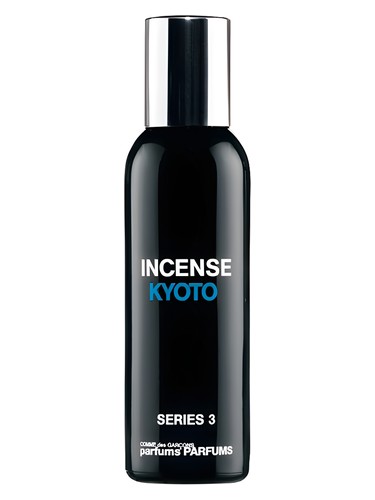
The first spray of Kyoto transports you somewhere specific—not the cherry blossoms and geisha imagery that the name might suggest, but to the contemplative hush of a temple's interior. This is Comme des Garçons at their most austere and philosophical, stripping away the ornamental to reveal something elemental. The immediate impression is overwhelmingly woody, with a bone-dry character that feels more like standing in a centuries-old wooden structure than wearing a conventional perfume. There's smoke here, yes, but it's not billowing or dramatic—it's the ghost of incense long since burned, lingering in sacred timbers.
Released in 2002 as part of the groundbreaking Series 3 Incense collection, Kyoto represents creative director Christian Astuguevieille's vision of olfactory minimalism. This isn't fragrance as decoration; it's fragrance as meditation.
The Scent Profile
Without specified individual notes, Kyoto reveals itself through its dominant accords, which tell their own compelling story. The woody accord stands at full strength—a masterclass in cedar, cypress, and hinoki that evokes the architectural bones of Japanese temples. This isn't the sweet, pencil-shaving cedarwood of many Western fragrances, but something far more austere and spiritual.
The aromatic character (registering at 44%) weaves through that woodiness like incense smoke through rafters, adding a gentle herbal quality that might suggest ceremonial resins or temple offerings. At 42%, the amber accord provides just enough warmth to keep Kyoto from feeling entirely ascetic, though this isn't the sweet, vanillic amber of crowd-pleasers. Instead, it reads as subtle resinous depth—the golden glow of aged wood rather than syrupy sweetness.
The smoky element (30%) reinforces the incense impression without overwhelming, while warm spices (also 30%) add a whisper of complexity. A balsamic undercurrent (21%) rounds out the composition, suggesting the natural resins found in temple incense preparations. Throughout its wear, Kyoto remains remarkably linear—this is intentional meditation, not narrative drama. The fragrance doesn't so much evolve as slowly reveal different facets of the same contemplative whole.
Character & Occasion
The seasonal data reveals Kyoto's soul: this is a fragrance born for fall (100%) and thoroughly at home in winter (76%). The dry woodiness that might feel parched in summer heat (35%) becomes grounding and centering when leaves begin to turn and temperatures drop. Spring (63%) offers a middle ground, where Kyoto's austere character can provide interesting contrast to the season's typical florals.
Interestingly, while categorized as feminine, Kyoto transcends traditional gender boundaries entirely—a characteristic of Comme des Garçons' philosophical approach to fragrance. The day-to-night split (90% day, 58% night) suggests versatility, though Kyoto feels most natural in contemplative contexts: quiet workdays, museum visits, solitary walks, morning meditation practices. This isn't a fragrance for crowded bars or dinner parties; it's for moments when you want to create a bubble of calm around yourself.
The person who reaches for Kyoto tends to dress in neutrals, appreciate architecture, and find peace in simplicity. This is for those who've moved beyond fragrance as mere accessory and appreciate scent as an atmospheric experience.
Community Verdict
The r/fragrance community's relationship with Kyoto perfectly illustrates its polarizing nature. Based on 44 opinions with a mixed sentiment score of 5.5/10, the fragrance won their favorite poll for the letter K—a significant achievement indicating strong devotion from its admirers. Yet it simultaneously appears on disappointment lists, revealing the chasm between expectation and experience that Kyoto can create.
The pros are clear: advocates celebrate its unique incense-forward profile, its place in the acclaimed Series 3 collection, and its uncompromising artistic vision. These are the converts who understand what Kyoto is trying to do. The cons tell the other story—disappointed buyers who approached with high expectations based on the fragrance's critical reputation, only to find something that didn't resonate. Some found it too austere, too linear, or simply not what they anticipated when seeking out a highly-rated niche fragrance.
The recommendation for "incense fragrance enthusiasts, niche fragrance collectors, and those seeking unconventional scents" feels precisely accurate. Kyoto rewards those who come prepared for its particular character but can disappoint casual buyers expecting conventional beauty.
How It Compares
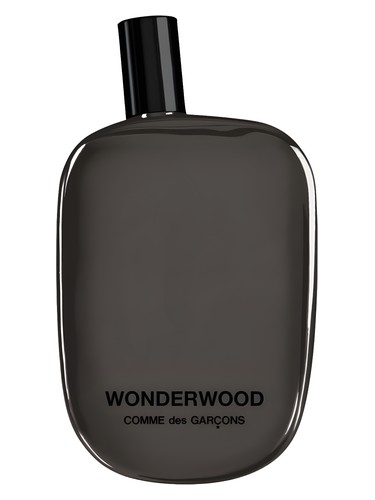
Within its own family, Kyoto shares DNA with Zagorsk from the same Series 3 Incense collection, though the latter leans into darker, Orthodox church incense territory. Wonderwood offers another Comme des Garçons exploration of wood, though with more synthetic, oud-like intensity.
Serge Lutens' Fille en Aiguilles and L'Artisan Parfumeur's Timbuktu occupy similar contemplative, woody-spicy territory, though with more overtly sweet or fruity elements respectively. Kyoto stands as perhaps the most austere of this group—the most committed to its minimalist vision. Where others might add comfort or accessibility, Kyoto remains uncompromising.
The Bottom Line
With a rating of 4.31 from 2,157 voters, Kyoto enjoys genuine critical success—this is a well-regarded fragrance by any measure. But that mixed community sentiment score reveals an important truth: high ratings don't guarantee universal appeal, especially with something this artistically uncompromising.
Should you try Kyoto? Absolutely, if you're drawn to incense, if you appreciate woody minimalism, or if you're building a collection that explores perfumery's artistic boundaries. But approach with accurate expectations: this isn't easy-wearing or immediately gratifying. It's contemplative, austere, and rewards patience rather than demanding instant admiration.
For incense devotees, Kyoto may become a beloved staple—the temple in a bottle you return to for grounding and peace. For those seeking conventional beauty or immediate pleasure, it might join that list of disappointing purchases despite its impressive pedigree. The key is knowing which category you fall into before making the pilgrimage.
AI-generated editorial review