First Impressions
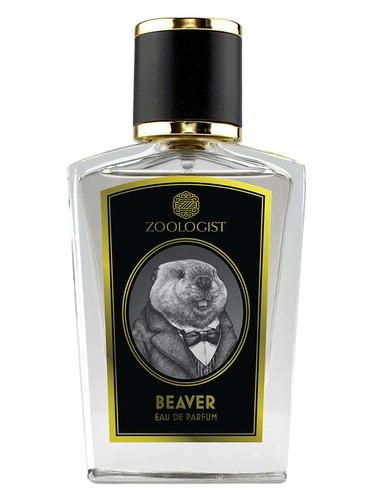
The first spray of Beaver is an act of courage. This isn''t a fragrance that whispers—it announces itself with a plume of smoke so immediate, so enveloping, that you half-expect to turn around and find a campfire crackling behind you. The opening is deceptively fresh, with citrus and lime blossom offering a fleeting moment of brightness before the musk arrives, thick and unapologetic. It''s as if you''ve stumbled upon an abandoned trapper''s cabin, where the memory of human presence lingers in the air—skin oils on leather, wood ash still warm in the hearth, and something deeply animal that you can''t quite name but instinctively recognize.
Zoologist Perfumes has built its reputation on olfactory storytelling that honors the natural world with unflinching honesty, and Beaver delivers on that promise with remarkable intensity. This is not a tame interpretation of its namesake creature; it''s a full-throated embrace of musk, smoke, and the raw materials that perfumery once centered around before clean aesthetics became the norm.
The Scent Profile
The composition opens with musk already dominating the stage, flanked by lime blossom and citrus notes that provide just enough lift to keep the opening from feeling completely grounded. The lime blossom here doesn''t read as conventionally floral—instead, it carries a slightly honeyed, almost creamy quality that foreshadows the powdery elements to come. The citrus is barely perceptible as a distinct note, functioning more as a brightening agent than a starring player.
Within minutes, the heart reveals itself, and this is where Beaver shows its true character. Castoreum—that infamous animalic ingredient historically derived from beaver glands—takes center stage with iris and vanilla forming an unexpectedly elegant support system. The castoreum here is leathery, slightly medicinal, and intensely musky, creating an accord that feels both primitive and strangely refined. The iris contributes a pronounced powdery quality that softens the animalic edges without domesticating them, while the vanilla (notably spelled "Vanila" in the notes) adds warmth rather than sweetness. This isn''t gourmand territory; the vanilla reads as resinous and almost smoky itself.
As Beaver settles into its base, the smoke that hinted at its presence from the beginning fully emerges. Ash becomes the defining characteristic, supported by cedar''s dry woodiness, amber''s resinous depth, and that persistent, skin-close musk that never quite releases its grip. The overall effect is of a fragrance that grows denser and more insistent over time, wrapping the wearer in layers of smoke and shadow. The woody accord registers at 84%, and you feel every percentage point—this is forest floor and charred timber, not polished sandalwood.
Character & Occasion
Beaver defies conventional wearing advice, which the data reflects perfectly: it registers at 0% for both day and night wear. This isn''t indecision—it''s a fragrance that exists outside normal parameters. It''s marked as appropriate for all seasons, and that unconventional versatility makes sense when you experience how the composition balances cool powdery elements with warm, enveloping smoke.
This is a fragrance for someone who wants to be remembered, though perhaps not always comfortably. Marketed as feminine but thoroughly androgynous in execution, Beaver suits anyone drawn to animalic leather fragrances and unafraid of commanding attention. It''s for quiet dinners where conversation turns philosophical, for art gallery openings, for anyone who considers fragrance an extension of personal philosophy rather than mere accessory.
The 63% leather accord and 53% yellow floral reading create an intriguing tension—there''s something almost vintage about this balance, recalling an era when perfumes didn''t apologize for their animalic components. Yet the execution feels thoroughly contemporary in its intensity and compositional boldness.
Community Verdict
With a rating of 3.5 out of 5 stars from 442 voters, Beaver occupies an interesting middle ground. This isn''t a universally beloved crowd-pleaser, nor is it a niche darling with a tiny but devoted following. The rating suggests a fragrance that divides opinion—some will find it captivating and worth exploring, while others may find the animalic smoke too confrontational for regular wear.
That division is precisely what makes Beaver worth investigating. A 3.5 rating on a fragrance this unconventional actually speaks to its quality; it''s successfully executing a challenging vision, even if that vision isn''t for everyone. The substantial vote count indicates genuine community engagement rather than obscurity.
How It Compares
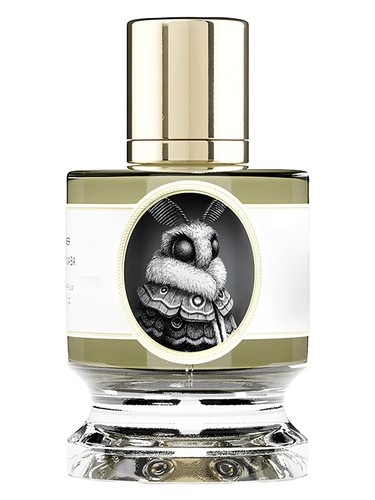
Within the Zoologist line itself, Beaver shares DNA with Moth, Civet, and Panda—all fragrances that prioritize unusual accords and animalic elements over commercial appeal. The comparison to Serge Lutens'' Chergui is particularly apt; both fragrances explore smoke and sweetness with a Middle Eastern sensibility, though Beaver leans harder into leather and musk where Chergui emphasizes tobacco and hay. Bee, another Zoologist creation, shares the honeyed aspects but takes them in a sunnier, more overtly floral direction.
Beaver stands as one of the more challenging entries in a challenging brand, which is saying something. It''s smoke-forward in a way few modern fragrances dare to be.
The Bottom Line
Beaver isn''t trying to win popularity contests, and its 3.5-star rating reflects the inherent difficulty of making animalic smoke appealing to a broad audience. But for those drawn to leather, musk, and intensely woody compositions, this is a fragrance that delivers authenticity and artistry in equal measure. It''s not an everyday scent for most wearers, but it''s exactly the kind of olfactory experience that expands your understanding of what fragrance can be. If you''ve been curious about castoreum, if you find yourself drawn to the bonfire rather than away from it, Beaver deserves a place on your sampling list. Just be prepared for it to leave its mark—on your skin and in the memory of anyone who gets close enough to notice.
AI-generated editorial review