First Impressions
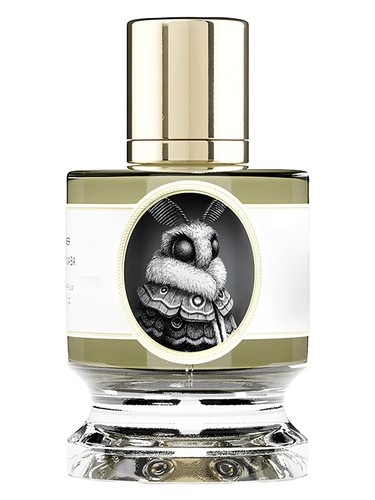
The first spray of Moth is an immediate provocation—a firestorm of spices that doesn''t merely announce its presence but commands attention. Clove leads the charge, backed by the sharp heat of black pepper and the golden warmth of saffron, creating an opening that feels both ancient and utterly contemporary. There''s cumin here too, that polarizing note that whispers of skin and earthiness, alongside nutmeg, cinnamon, and a bright slash of lemon that keeps the composition from collapsing under its own aromatic weight. This is not a fragrance that tiptoes into a room. It arrives like a moth mesmerized by flame—drawn irresistibly toward light, heat, and potential self-immolation.
Within minutes, the ferocious spice attack begins its transformation, revealing the conceptual brilliance at work. This isn''t merely a spice bomb; it''s a carefully orchestrated dance between the austere and the indulgent, between the powdery softness of a moth''s wings and the dangerous allure of fire.
The Scent Profile
The opening barrage of spices—seven of them, no less—could easily overwhelm, but Moth''s perfumer has wielded them with surprising restraint. The clove-saffron-cumin trinity creates a warmth that feels almost feverish, while black pepper adds bite and lemon provides just enough citric relief to keep the composition from becoming suffocating. This top accord doesn''t fade so much as it gradually dims, like coals settling into their burn.
As the spices recede, the heart reveals Moth''s true character: a powdery floral bouquet that feels like vintage cosmetics discovered in a forgotten vanity drawer. Heliotrope and iris form the powdery core, their soft, almost edible sweetness tempered by the green floralcy of mimosa. Rose and jasmine add traditional floral depth, while lily-of-the-valley contributes a clean, almost soapy facet that plays beautifully against the lingering spice. This middle phase is where Moth earns its 97% powdery accord rating—it''s talc and velvet, antique and intimate.
The base is where complexity reaches its apex. Honey emerges as a golden thread, sweetening without cloying, while smoke and agarwood create a resinous, incense-like backdrop that feels ceremonial. The wood notes—guaiac, patchouli, vetiver, and cypriol—provide earthy grounding, while ambergris and musk add animalic warmth. This isn''t a clean, modern base; it''s dense, layered, and unapologetically rich. The woody accord (96%) works in concert with the smoke (76%) to create something that feels simultaneously sacred and sensual, like incense burned in a temple that has seen both worship and abandon.
Character & Occasion
Moth is unequivocally a creature of cooler weather and darker hours. The community data tells a clear story: this fragrance reaches its full potential in fall (100%) and winter (86%), when its spice and warmth can bloom against crisp air rather than wilt under summer sun. Spring (29%) might accommodate it on cooler evenings, but summer (11%) is largely unsuitable for this intensity.
The day versus night split is even more decisive: 96% night versus 34% day. This is a fragrance that belongs to candlelight, to dinner parties that stretch past midnight, to intimate gatherings where conversation turns philosophical. Could you wear it during the day? Certainly—if you''re the sort who doesn''t mind being remembered, who enjoys the weight of a substantial fragrance, who considers perfume as much armor as accessory.
While marketed as feminine, Moth''s spice-forward, woody character makes it beautifully unisex. This is for anyone drawn to complex, challenging fragrances that reveal different facets over hours of wear. It suits those who appreciate vintage perfumery''s richness but want something thoroughly modern in execution.
Community Verdict
With a rating of 3.87 out of 5 from 2,061 votes, Moth sits comfortably in "very good" territory without quite reaching universal acclaim. This rating makes sense for a fragrance of such specific character—it''s too bold, too spicy, too unapologetically niche to appeal to everyone. The cumin note alone will divide wearers into devotees and detractors.
But those 2,061 votes indicate significant community engagement. People are trying this fragrance, forming opinions, returning to evaluate it over time. For a niche release, that''s meaningful traction. The rating suggests a fragrance worth exploring rather than immediately purchasing blind, but one that rewards those whose tastes align with its vision.
How It Compares
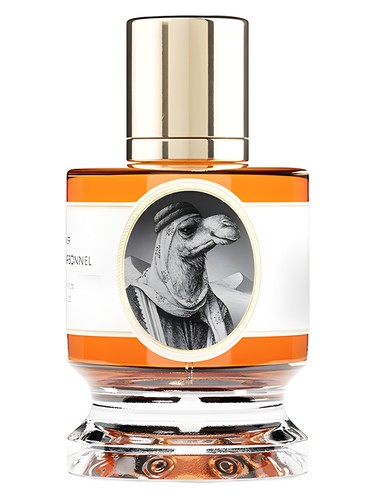
Zoologist''s own Civet appears as the closest comparison, which makes sense given the house''s penchant for animalic intensity and conceptual storytelling. Chergui by Serge Lutens shares the honey-tobacco-incense warmth, while Black Orchid by Tom Ford offers a similar dark, spiced opulence (though with more chocolate and less powder). Camel, another Zoologist creation, explores adjacent spice-and-resin territory, and Musc Ravageur by Frederic Malle shares the warm, skin-like sensuality.
What distinguishes Moth is its particular balance of powder and spice, its commitment to the conceptual narrative of attraction and danger. Where some of these comparisons lean gourmand or overtly animalic, Moth maintains an almost meditative quality beneath its intensity.
The Bottom Line
Moth is a fragrance of contradictions: delicate yet powerful, feminine yet unisex, beautiful yet slightly dangerous. It asks something of its wearer—patience to let it develop, confidence to carry its presence, appreciation for complexity over simplicity.
At 3.87 stars, it won''t be everyone''s masterpiece, but for those drawn to spice-forward, powdery, resinous fragrances with genuine depth, it deserves serious consideration. Sample before committing, ideally in cool weather when you have hours to observe its evolution. If you find yourself captivated by that opening spice storm and compelled to keep smelling as it transforms into powdered smoke and honeyed woods, you''ve found your flame.
This is niche perfumery doing what it does best: telling a story that mainstream releases wouldn''t dare attempt, creating beauty that doesn''t always comfort but never fails to fascinate.
AI-generated editorial review