First Impressions
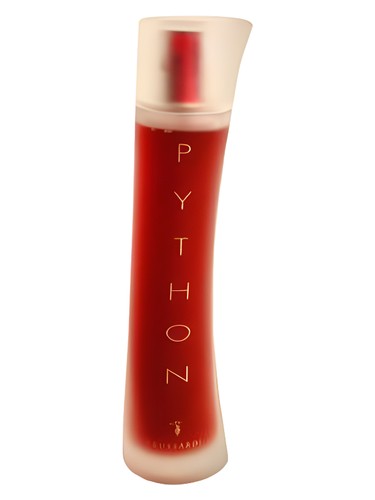
The first spray of Trussardi''s Python is deceptive—a flash of bergamot and mandarin orange brightness that quickly gives way to something far more seductive lurking beneath. This 1999 release doesn''t announce itself with the subtle restraint typical of its era. Instead, it strikes with confidence, the citrus opening serving as little more than a civilized handshake before the real conversation begins. Within minutes, the warm spice accord that defines this fragrance''s DNA begins to pulse through, hinting at the intoxicating complexity that earned it a solid 4.05 rating from nearly 600 fragrance lovers.
Python feels like a promise whispered in semi-darkness—sophisticated, slightly dangerous, and utterly feminine in a way that has nothing to do with powder or roses alone.
The Scent Profile
The bergamot and mandarin orange opening is brief but purposeful, providing just enough citrus brightness to prevent the oncoming richness from overwhelming. These top notes act as a gateway, their fresh spicy quality registering at 50% intensity alongside the dominant warm spice that defines Python at 100%.
But it''s the heart where Python reveals its true nature. Dark chocolate emerges not as a gourmand sweetness, but as a sophisticated, almost bitter cocoa that intertwines with nutmeg and cardamom in an unexpected marriage. The cardamom brings an aromatic, slightly green spiciness that keeps the chocolate from becoming cloying, while nutmeg adds warmth and depth. Rose and jasmine weave through this spice-chocolate tapestry, their floral presence felt more as texture than distinct petals—softening the edges, adding a classic feminine anchor to what could otherwise veer into unisex territory.
The base reveals Python''s staying power and ultimate character. Sandalwood provides a creamy, woody foundation (registering at 44% in the accord profile), while vanilla and benzoin create a resinous sweetness that supports rather than dominates. The vanilla accord measures at 49%—substantial but never syrupy—working in tandem with the benzoin to extend the chocolate note from the heart while adding an ambery warmth. This base is where Python settles for hours, radiating that signature warm spice while the chocolate accord (40%) lingers like a memory.
Character & Occasion
Python is unabashedly a cold-weather creature. The data speaks clearly: 100% suited to fall and 96% to winter, dropping dramatically to just 26% for spring and a mere 20% for summer. This is not a fragrance that plays well with heat—it wants crisp air, cozy sweaters, and the excuse to wear something rich and enveloping.
Interestingly, while Python leans slightly more toward evening wear at 91% versus 84% for day, it proves surprisingly versatile for such an intense composition. The spice-chocolate combination reads sophisticated rather than overtly sexy, making it suitable for daytime wear in appropriate seasons. Picture it with a cashmere turtleneck and tailored trousers for a fall workday, or layered over bare skin beneath a winter coat for evening drinks.
This is a fragrance for women who appreciate complexity and aren''t afraid of making an olfactory statement. Python doesn''t whisper—it speaks in a confident, cultured voice that assumes you''re intelligent enough to appreciate what you''re smelling.
Community Verdict
With 592 votes tallying to a 4.05 out of 5 rating, Python has earned genuine respect within the fragrance community. This isn''t a cult favorite with a handful of devotees, nor is it a mainstream bestseller inflated by marketing. Instead, it occupies that sweet spot of being well-known enough to have gathered substantial feedback while maintaining a certain insider appeal.
The rating suggests a fragrance that delivers on its promise—complex enough to reward repeated wearing, distinctive enough to feel special, but accessible enough to win over those who give it a proper chance. That it has maintained this appreciation for a fragrance released in 1999 speaks to its quality and timelessness.
How It Compares
Python finds itself in distinguished company among the similar fragrances cited: Kenzo Jungle L''Elephant, Dior''s Dolce Vita, Chanel''s Coco Eau de Parfum, Tom Ford''s Black Orchid, and Versace''s Crystal Noir. This lineup reveals Python''s pedigree—it shares DNA with warm, spicy orientals that defined late-''90s and early-2000s sophistication.
Where Kenzo Jungle L''Elephant leans into cumin and clove, and Black Orchid embraces darker, more gothic territory, Python carves out its own space through that distinctive chocolate-cardamom combination. It''s warmer and more approachable than Black Orchid''s intensity, yet more distinctive than Dolce Vita''s smooth vanilla. The comparison to Coco suggests Python''s classic bone structure beneath its spicy exterior.
The Bottom Line
Python represents late-''90s perfumery at its most confident—before the rush to create mass-appeal freshness diluted many houses'' willingness to take creative risks. It''s a fragrance built on contrasts: citrus and chocolate, fresh spice and warm spice, floral softness and woody structure.
At 4.05 out of 5, Python sits comfortably in "very good" territory—not quite reaching the rarefied heights of all-time classics, but far exceeding the vast majority of releases. For anyone who gravitates toward warm, spicy fragrances with character and depth, Python deserves a test wear. Those who love Black Orchid but find it occasionally too heavy, or who wish their vanilla fragrances had more complexity, should absolutely seek this out.
The real question isn''t whether Python is good—the community has answered that definitively. It''s whether you''re ready for a fragrance this unapologetically rich, this committed to its own vision. If your fragrance wardrobe has room for something bold and beautiful as the leaves begin to fall, Python is waiting to strike.
AI-generated editorial review