First Impressions
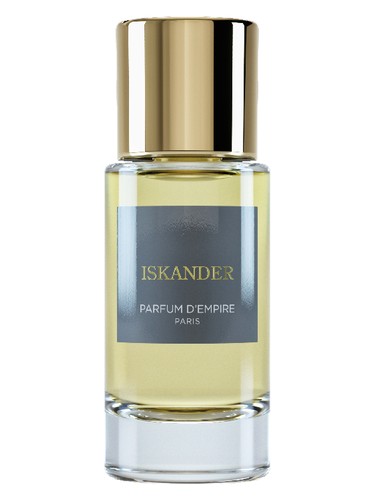
The first spray of Iskander is like witnessing dawn breaking over a citrus grove on Mediterranean slopes—but this is no simple sunshine-in-a-bottle proposition. Yes, there''s an immediate burst of brightness: Amalfi lemon, grapefruit, and citron create a tart, almost electric opening. Yet within seconds, something more complex emerges. The tarragon adds an unexpected herbal bitterness, while Virginia cedar lends a dry, pencil-shaving quality that grounds all that fruit before it can turn sweet or cloying. This is citrus with architecture, with intention. Parfum d''Empire''s Marc-Antoine Corticchiato has crafted something that announces itself as emphatically different from the first moment it touches skin.
The Scent Profile
Iskander''s evolution is a study in controlled tension between light and shadow. The opening salvo—citron, Amalfi lemon, grapefruit, mandarin orange, and orange—reads like a citrus lover''s fever dream, and indeed, the main accord sits at a perfect 100% citrus dominance. But this isn''t the friendly, approachable citrus of your morning cologne. The tarragon creates an almost anise-like backdrop, a green bitterness that keeps the composition from veering into conventionally pretty territory.
As the initial brilliance settles, the heart reveals its aromatic character (40% of the accord profile). Coriander brings a warm, slightly soapy spiciness that bridges beautifully between the sharp top and what''s to come. African orange flower and neroli appear not as soloists but as part of an ensemble, their white floral qualities muted, serving to extend the citrus theme rather than overwhelm it. This is where Iskander''s sophistication truly shows—these middle notes don''t announce a dramatic shift but rather a deepening, a move from two dimensions into three.
The base is where Iskander makes its most daring statement. Oakmoss anchors the composition with its earthy, forest-floor character (reflected in that 25% mossy accord and 17% earthy quality), creating a foundation that feels decidedly classical, almost chypre-like. Musk and amber add warmth and skin-like softness, but they never overwhelm the oakmoss''s verdant grip. The woody accord (22%) persists throughout, that Virginia cedar from the opening weaving through every stage. By the time Iskander reaches its final chapter, you''re left with something that began as Mediterranean brightness but ends as autumn woodland—citrus peels scattered on moss-covered ground.
Character & Occasion
Here''s where Iskander reveals its versatility and its mystery. The data shows this as an all-season fragrance, and that rare designation makes complete sense once you''ve lived with it. In spring and summer, the citrus brightness takes center stage, feeling refreshing without being lightweight. Come autumn and winter, those deeper elements—the oakmoss, the cedar, the earthy undertones—assert themselves, providing weight and gravitas that holds up against cold weather wardrobes.
What''s particularly intriguing is that while marketed as feminine and bottled at parfum concentration, Iskander transcends typical gender boundaries. The citrus-aromatic-mossy profile shares more DNA with masculine cologne traditions than with conventional feminine florals or gourmands. This is a fragrance for someone who appreciates perfumery''s history while remaining entirely modern in their tastes.
The even split in day/night wearability (or rather, the lack of strong preference either way) speaks to Iskander''s chameleon nature. It''s bright enough for office wear, complex enough for evening occasions, and unusual enough to make an impression without announcing itself across a room. The parfum concentration means it wears close but persistent—a personal statement rather than a public declaration.
Community Verdict
With a rating of 3.94 out of 5 from 354 votes, Iskander sits in that interesting space of being genuinely appreciated rather than universally adored. This isn''t a crowd-pleaser in the commercial sense, and that''s precisely its strength. The fragrance demands something from its wearer—an appreciation for complexity, a tolerance for unconventional structure, perhaps a fondness for vintage sensibilities reinterpreted through a contemporary lens.
Those 354 voters represent a self-selecting group: people willing to explore beyond mainstream offerings, who seek out Parfum d''Empire''s historically-inspired line. That the rating holds steady near 4 suggests a fragrance that delivers on its promises, even if those promises aren''t for everyone.
How It Compares
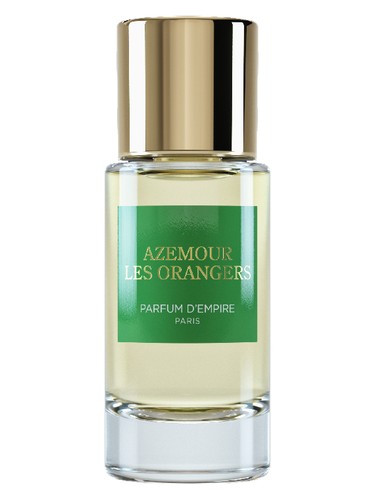
Iskander sits in fascinating company. Its closest sibling, Azemour Les Orangers (also from Parfum d''Empire), shares the orange blossom and citrus brightness but reportedly skews sweeter and more traditionally feminine. The comparison to Terre d''Hermès is telling—both feature citrus grounded by earthiness and wood, though Hermès''s creation leans more masculine in its vetiver-driven conclusion. Un Jardin Sur Le Nil shares the green-citrus concept but stays lighter, more aqueous. The Shalimar reference might seem odd until you remember that classic''s citrus opening and mossy foundation—Iskander could be imagined as Shalimar''s Mediterranean cousin, trading vanilla warmth for cedar dryness.
The Bottom Line
Iskander isn''t trying to be your signature scent or your safest choice. At parfum concentration from a niche house, it represents an investment—both financially and experientially. This is perfume for the person who has grown weary of sweet citrus colognes, who wants brightness without ephemeral lightness, who appreciates when a composition challenges as much as it pleases.
The 3.94 rating tells the truth: this is very good work that won''t speak to everyone. If you love citrus but crave depth, if you appreciate oakmoss but don''t want a traditional chypre, if you''re drawn to fragrances with a sense of place and history, Iskander deserves time on your skin. It''s a fragrance that rewards patience and multiple wearings, revealing new facets as seasons change and your mood shifts. Not for the faint of heart, but for the adventurous nose, it''s a luminous journey worth taking.
AI-generated editorial review