First Impressions
The first spray of Lolita Lempicka Eau de Toilette feels like stepping through a wardrobe into a perfumed Narnia. There's something decidedly fantastical about the opening—a fruit bowl kissed by morning dew, where cherry and apricot mingle with a whisper of lemon that keeps the sweetness from becoming cloying. But this isn't your grandmother's fruit cocktail. Within moments, a powdery veil descends, softening those bright top notes into something altogether more mysterious. This is the fragrance that launched in 1997 and made the perfume world reconsider what femininity could smell like: not overtly floral, not aggressively gourmand, but something suspended between childhood nostalgia and grown-up sophistication.
The Scent Profile
The cherry and apricot opening is brief but memorable—a fleeting sweetness that announces itself without overstaying its welcome. The lemon adds just enough citric brightness to prevent the fruit from reading as candy, though there's definitely a playful, almost innocent quality to these first minutes. This is where Lolita Lempicka reveals its hand: this won't be a straightforward floral, nor a simple fruity fragrance.
The heart is where the magic truly happens. Iris and jasmine sambac create an unexpected marriage of powdery elegance and white floral warmth. The iris dominates—cool, slightly rooty, unmistakably sophisticated—while the jasmine sambac weaves through with its creamy, indolic presence. This combination explains why the fragrance registers as 54% iris in its main accords. It's here that the powdery character, which dominates at 100% in the accord breakdown, truly takes hold. The scent doesn't just smell powdery; it feels powdery, like silk talc dusted across bare skin.
The base is where Lolita Lempicka Eau de Toilette settles into its signature. Violet emerges fully now, reinforcing that powdery impression (90% violet accord) and creating a soft, almost cushiony finish. The musk provides a clean, skin-like warmth that keeps the fragrance grounded in sensuality rather than letting it float away into pure abstraction. Most intriguingly, incense adds a subtle smokiness—just a whisper, really—that gives the composition an unexpected depth and prevents it from becoming too sweet or too simple. This isn't the heavy, church-like incense of Avignon; it's more like the lingering scent of extinguished birthday candles, adding a contemplative dimension to the violet and musk embrace.
Character & Occasion
This is unequivocally a daytime fragrance, registering 100% for day wear in community preferences. The powdery, violet-forward composition has a gentle presence that suits morning meetings, lunch dates, and afternoon strolls without overwhelming. The 38% night rating suggests it can transition into evening, though it won't command attention in the way darker, more sensual fragrances might.
Seasonally, Lolita Lempicka Eau de Toilette shows remarkable versatility, thriving particularly in spring (77%) when its floral-fruity character feels most at home among blooming gardens and fresh air. Fall follows at 54%, where the incense and musk provide enough warmth to complement crisp autumn days. Summer registers at 51%—the powdery quality can feel soothing in heat, though some might find the fruity opening too sweet when temperatures soar. Winter, at 36%, is its weakest season; this isn't a fragrance built for cold weather's demand for richness and projection.
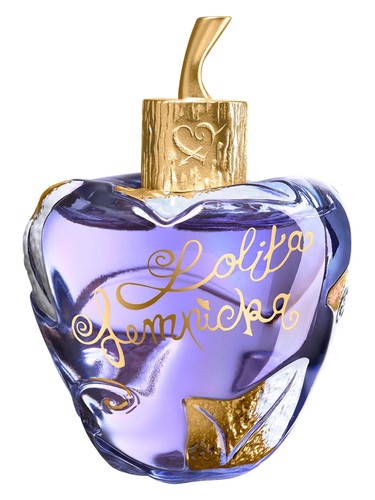
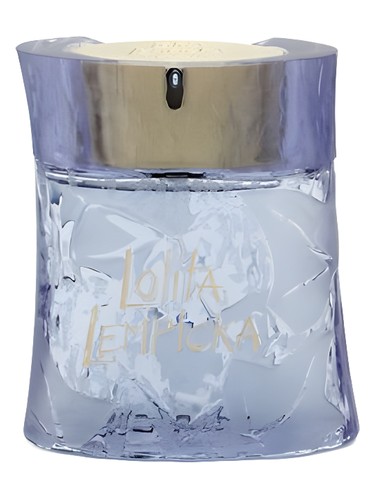
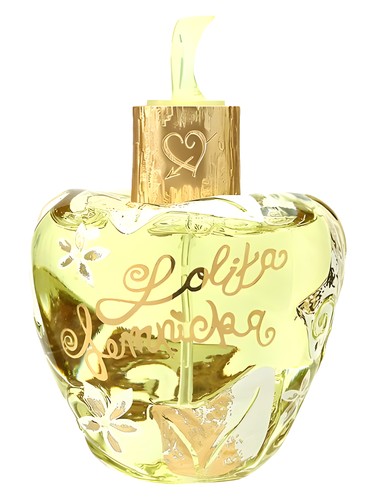
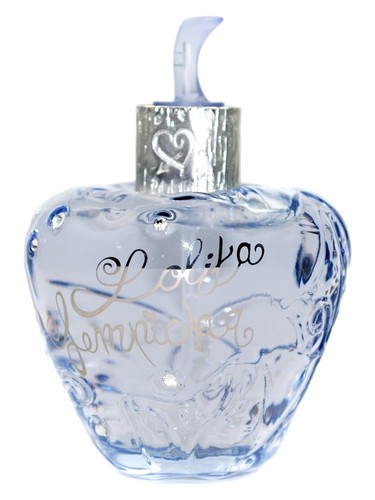
Who is this for? Anyone drawn to the intersection of playful and sophisticated, nostalgic and contemporary. It suits those who want something distinctive without being polarizing, feminine without being conventional. The fairy tale bottle (surely one of perfumery's most recognizable designs) attracted a generation of wearers who wanted fragrance to feel like fantasy, and the juice inside delivers on that promise.
Community Verdict
With a solid 4.06 out of 5 rating from 603 votes, Lolita Lempicka Eau de Toilette has earned its devoted following. This isn't a perfect score, and that feels appropriate—this is a fragrance with a distinct point of view, one that won't speak to everyone. Those who love violet and iris will find much to adore here. Those seeking projection monsters or linear simplicity might feel underwhelmed. The rating suggests a fragrance that rewards understanding: give it time, wear it in the right season, and it reveals its considerable charms.
How It Compares
The similar fragrances list reads like a who's who of sophisticated florals and powdery compositions. Prada's Infusion d'Iris shares that cool, ethereal iris quality, though it's more minimalist and modern. The Shalimar references—both Parfum Initial and the Eau de Parfum—point to a shared love of powder and Orient-inspired sensuality, though those Guerlain creations skew warmer and more traditionally glamorous. Fleur Defendue, also from Lolita Lempicka, explores similar territory but ventures further into floral opulence.
Where does this Eau de Toilette stand? It occupies a unique space: more playful than Prada, less vintage than Shalimar, and arguably more wearable than its flankers. It helped define a late-90s aesthetic of fairy tale femininity that felt both escapist and empowering.
The Bottom Line
Lolita Lempicka Eau de Toilette remains relevant over 25 years after its launch because it doesn't try to be everything to everyone. It knows what it is: a powdery, violet-centric composition with enough fruity charm to feel approachable and enough iris sophistication to feel grown-up. At 4.06 out of 5, the community endorsement is clear—this works.
For those seeking a spring and fall signature that works beautifully during daytime hours, this deserves serious consideration. For violet lovers, it's practically essential. For anyone curious about how the late 90s reimagined femininity in fragrance form, it's a fascinating time capsule that still smells contemporary. Just don't expect bombastic projection or linear simplicity. This is a fragrance that whispers rather than shouts, that suggests rather than declares. And sometimes, that's exactly the kind of magic we need.
Critique éditoriale générée par IA