First Impressions
The first spray of Lolita Lempicka Au Masculin is nothing short of confrontational. A blast of black licorice and anise hits immediately, sweetened and softened by violet and tempered with the green bite of ivy, wormwood, and basil. This isn't a fragrance that whispers—it announces itself with the confidence of someone who knows they're about to divide the room. That opening anise note, reading at 78% in the accord profile, sits at the heart of this fragrance's identity and its controversy. You'll either find yourself enchanted by its pastille-like sweetness or reaching for something more conventional. There's no middle ground here, and that's precisely the point.
The Scent Profile
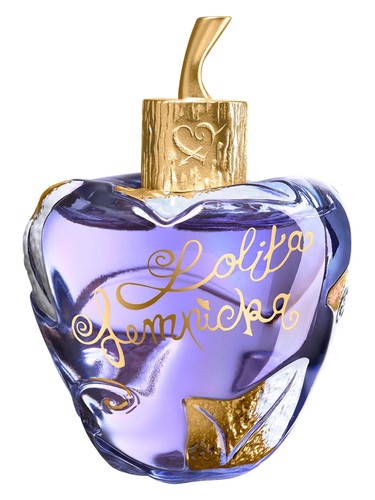
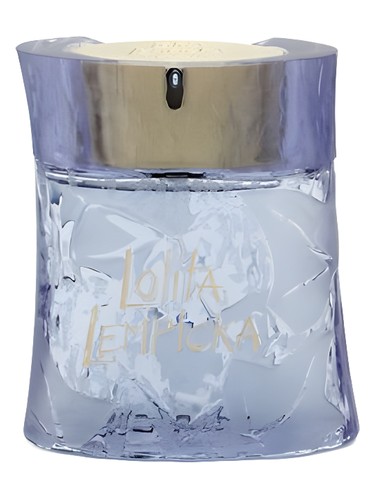
The progression of Au Masculin reveals a masterclass in gourmand masculinity, though the journey differs significantly depending on which bottle you're holding. Those violet and anise top notes, bolstered by the herbal complexity of basil and wormwood, create an opening that feels both vintage and daring—like stumbling into a Parisian apothecary with a secret cocktail bar in the back.
As the fragrance settles into its heart, the rum accord emerges alongside tonka bean and almond, creating a boozy warmth that bridges the gap between the medicinal opening and the dessert-like base. Sandalwood adds a creamy smoothness that prevents the composition from veering too sweet, though with the sweet accord registering at 97%, restraint isn't exactly the goal. This middle phase is where Au Masculin earns its reputation—the soft spicy accord (a perfect 100%) combined with that rum note creates an intoxicating warmth that wears close to the skin.
The base is where devotees claim the magic truly happens. Vanilla and praline dominate, supported by vetiver, cedar, and labdanum that attempt to anchor all that sweetness with earthy, resinous depth. The vanilla accord measures at 59%, creating a foundation that's indulgent without being cloying—at least in theory. The woody elements (49%) provide just enough structure to remind you this is marketed as a masculine fragrance, though gender boundaries dissolve completely in the creamy, confectionery dry-down.
Character & Occasion
The data tells a clear story: this is a cold-weather creature. Winter scores a perfect 100%, fall comes in at 95%, and summer limps along at just 26%. Au Masculin thrives when there's a chill in the air, when that vanilla-praline base can radiate warmth without overwhelming. Spring, at 59%, offers a transitional opportunity for cooler evenings.
The day/night split is equally revealing: 78% for daytime versus 96% for evening. While you can certainly wear this to the office, it truly comes alive after dark. This is a date fragrance, an intimate-setting scent that rewards proximity. The soft spicy and sweet accords create an aura that's cozy rather than powerful, seductive rather than commanding.
Who is this for? Someone who isn't afraid of standing out, who enjoys gourmand fragrances but wants something more complex than a simple vanilla bomb. It's for the person who remembers when masculine fragrances took risks, when houses like Givenchy and Yves Saint Laurent weren't afraid to blur the lines between dessert and desire.
Community Verdict
The 25 opinions from the r/fragrance community paint a picture of admiration tinged with mourning. The sentiment scores a respectable 7.2/10, but dig into the details and you'll find a recurring lament: this isn't what it used to be.
The pros are compelling. Users consistently praise the dry-down, with its rich vanilla and tonka bean combination earning high marks. The compliment factor appears genuine, with multiple mentions of its wearability and appeal. That unique anise/licorice character, despite being polarizing, creates a signature that stands out in a sea of blue freshies and woody ambers.
But the cons tell the real story. The community consensus is clear and somewhat heartbreaking: newer formulations are significantly weaker, missing the depth and complexity that made the original special. The EU reformulation, particularly the Lilial ban, removed a key floral component that gave the fragrance crucial dimension. Veteran wearers report that the anise can now overpower the composition without that floral balance, and the base no longer develops with the same richness. Limited availability in department stores suggests the brand itself may be struggling with the reformulation challenges.
The message is unanimous: hunt for older bottles if you want the true experience. Current versions are described as "adequate but notably weaker."
How It Compares
Au Masculin sits in distinguished company among the late '90s and early 2000s gourmand masculine revolution. Its siblings in spirit—AMen by Mugler, Le Male by Jean Paul Gaultier, Opium Pour Homme, Pi by Givenchy, and Rochas Man—all dared to reimagine what masculine fragrance could smell like. Where AMen went full chocolate-patchouli intensity and Le Male played with lavender-vanilla contrasts, Au Masculin carved its niche with that distinctive anise-licorice backbone.
It's perhaps softer and more wearable than A*Men, less aquatic than Le Male, and more overtly sweet than the spicier Opium Pour Homme. The 4.14/5 rating across 2,804 votes suggests it's earned genuine affection, though it remains more niche than its blockbuster cousins.
The Bottom Line
Lolita Lempicka Au Masculin from 2000 represents a specific moment in fragrance history when houses were willing to challenge conventions. That 4.14 rating reflects genuine quality and appeal, but with significant caveats. If you can source a pre-2020 bottle, particularly one from before the recent EU restrictions, you'll experience what the community remembers fondly: a complex, evolving gourmand with depth and character.
Current formulations offer a shadow of that experience—still pleasant, still unique in the anise-forward opening, but lacking the architectural integrity that made this special. At its best, Au Masculin is an excellent cool-weather companion that garners real compliments and provides an alternative to mainstream masculines. At its current worst, it's a reminder that reformulation isn't just about longevity—it's about soul.
Worth trying? Absolutely, especially if you're curious about gourmand masculines or have a soft spot for anise. Worth blind-buying at retail? Only if you're comfortable with the risk that you might be getting a ghost of what once was. The vintage hunt might be the better adventure.
Critique éditoriale générée par IA