First Impressions
The first spray of Voyage d''Hermès feels like stepping into a high-altitude train compartment—all polished wood, pressed linens, and the ghost of cardamom from someone''s morning tea. There''s an immediate warmth here, not the aggressive spice bomb you might expect, but something more contemplative. The cardamom arrives with Amalfi lemon and a juniper-forward aromatic quality that reads almost gin-like in its botanical clarity. Within seconds, you understand why Hermès labeled this simply as a "perfume" without the usual gender markers. This is a fragrance that moves.
What strikes you isn''t any single ingredient shouting for attention, but rather the seamless way everything integrates. The spices don''t burn; they hum. The citrus doesn''t sparkle so much as glow with a muted luminosity. There''s a greenness threading through even these opening moments—a promise of what''s to come—that prevents the composition from becoming too cozy or familiar.
The Scent Profile
Voyage d''Hermès reveals itself in layers that blur rather than announce their transitions. Those opening notes of cardamom and lemon create an initial impression that''s simultaneously warming and refreshing, with the juniper berries lending an almost coniferous edge. The spice accord here is masterful—it registers as the dominant theme (a full 100% in its presence) without ever overwhelming the senses. Think of it as the structural backbone rather than the decoration.
As the fragrance settles into its heart, the composition takes an unexpected turn into tea territory. This isn''t the sweet black tea of many fragrances, nor is it overtly green tea. Instead, it occupies a space somewhere between—perhaps a white tea with a gentle oxidation, still vegetal but gaining warmth. The green notes here are substantial (registering at 62% prominence), creating an effect like walking through a greenhouse where herbs meet ornamental plants. The floral notes exist more as suggestion than statement, a soft gauze that prevents the green and aromatic elements from becoming too sharp or masculine.
The base is where Voyage d''Hermès truly establishes its identity. Woodsy notes combine with cedar to create a foundation that''s clean rather than resinous, modern rather than traditional. The musk adds a skin-like quality that pulls everything close to the body, making this feel intimate despite its complexity. This woody character (at 46% presence) never dominates but instead provides a steady anchor as the spices and tea continue their quiet conversation above. The overall effect in the drydown is one of refinement—like expensive stationery or a well-made leather bag.
Character & Occasion
Here''s where Voyage d''Hermès becomes genuinely interesting: the data shows this fragrance achieves true seasonal versatility, working across all seasons with equal confidence. This isn''t marketing speak—it''s a result of that careful balance between warm spices and fresh green notes, between citrus brightness and woody grounding. In summer, the tea and green accords come forward; in winter, the cardamom and cedar take the lead.
The community data reveals no strong lean toward day or night wear, suggesting this is a fragrance that adapts to context rather than dictating it. Wear it to a morning meeting and it reads as polished and alert. Wear it to an evening gallery opening and it becomes quietly sophisticated. This adaptability is rare and speaks to the perfumer''s skill in creating something with depth that never becomes demanding.
Though marketed as feminine, that designation feels almost arbitrary. The warm spicy and aromatic profile (at 61%) gives this enough structure to appeal across the gender spectrum. It''s perhaps best understood as a fragrance for people who value understatement, who prefer their complexity to reveal itself slowly rather than announce itself immediately.
Community Verdict
With a rating of 4.15 out of 5 from 4,588 votes, Voyage d''Hermès has earned substantial community respect. This isn''t a niche darling with a cult following of 200 devotees—this is nearly 4,600 people reaching a consensus that this fragrance delivers on its promise. That rating positions it firmly in "very good" territory, suggesting a composition that works for many people while perhaps not achieving the transcendent status of the highest-rated perfumes.
The substantial vote count also indicates longevity in the market. Since its 2010 release, this has continued to attract attention and trial, which speaks to both Hermès'' marketing reach and the fragrance''s genuine appeal.
How It Compares
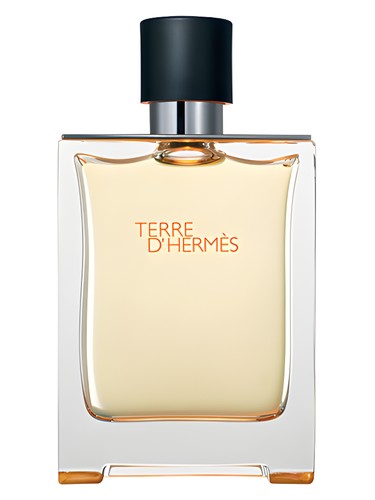
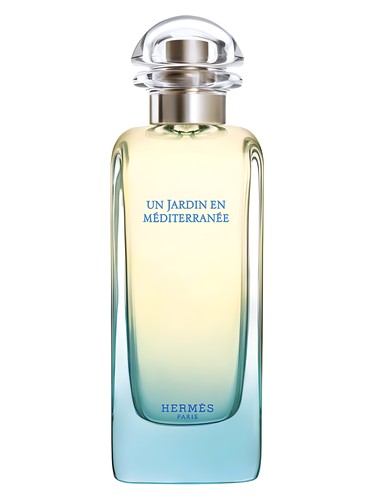
Within the Hermès lineup, Voyage d''Hermès shares DNA with Un Jardin en Méditerranée and Terre d''Hermès, but occupies its own territory. Where Terre d''Hermès goes earthy and vetiver-forward, Voyage stays lighter and more aromatic. The comparison to Yves Saint Laurent''s La Nuit de l''Homme is interesting—both feature spice and woods, but La Nuit goes sweeter and more overtly seductive.
The similarity to Bleu de Chanel suggests a certain modern French aesthetic: clean, woody, sophisticated without being stuffy. Voyage d''Hermès distinguishes itself through that prominent tea note and the quality of its spice work—more contemplative than athletic, more bookish than boardroom.
The Bottom Line
Voyage d''Hermès succeeds because it never tries too hard. In an era when many fragrances shout their intentions, this one maintains a conversational tone throughout its development. The 4.15 rating reflects what it is: an exceptionally well-made, versatile fragrance that may not provoke love at first sniff but rewards those who give it time and skin contact.
Is it worth exploring? Absolutely, particularly if you''re drawn to spice-forward compositions that maintain freshness, or if you''re tired of fragrances that box themselves into narrow seasonal or gender categories. The fact that it works year-round makes it a practical consideration for anyone building a curated collection. This is a fragrance for people who travel light but thoughtfully, who value quality over novelty, and who understand that the best journeys—like the best perfumes—are about the experience rather than the destination.
KI-generierte redaktionelle Rezension