First Impressions
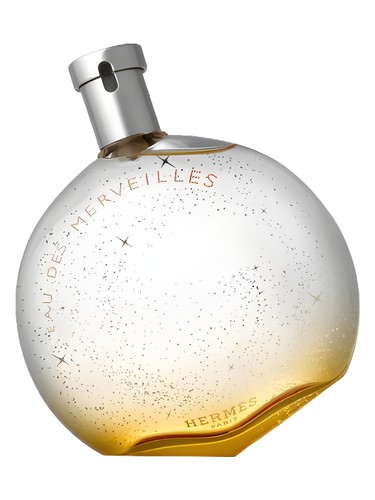
The first spray of Eau des Merveilles is a study in contradictions that somehow makes perfect sense. A bright burst of orange and lemon arrives not as the typical fresh opening volley, but threaded through with something resinous and slightly medicinal—the elemi resin asserting itself immediately. This isn''t your grandmother''s citrus perfume, nor is it trying to be. Within seconds, you understand that Hermès has built something architectural here, where the sparkle of citrus fruits serves as illumination rather than foundation. The fragrance announces itself as fundamentally woody (the accord data confirms this at 100%), yet it refuses to feel heavy or somber. Instead, there''s an aromatic brightness—82% of the composition—that keeps everything buoyant, almost magical.
The Scent Profile
The opening act is deceptively simple: orange and lemon join forces with elemi resin to create what can only be described as warm sunshine filtered through pine needles. The elemi brings a sharp, slightly peppery quality that prevents the citrus from veering into conventional territory. This isn''t Light Blue''s seaside freshness or even a traditional eau de cologne structure. It''s more complex, more intentional.
As the fragrance settles into its heart, the plot thickens considerably. Amber emerges as a golden thread, weaving through pink and black pepper that add a surprising spicy kick (82% fresh spicy accord). Here''s where Eau des Merveilles reveals its real personality: that amber warmth, combined with a subtle violet note, creates an almost dessert-like sweetness that never becomes cloying because the pepper keeps it in check. This middle phase is where the "merveilles"—the marvels—truly begin. The composition hovers in this fascinating space between fresh and warm, between transparent and dense.
The base is where Hermès shows its mastery of materials. Fir and cedar form the backbone, supported by Madagascar vetiver''s earthy sophistication and oakmoss''s vintage green character. Benzoin adds a vanilla-adjacent sweetness that ties back to the amber in the heart. This woody foundation (complemented by a 39% conifer accord) is what gives the fragrance its remarkable longevity and its ability to smell simultaneously modern and timeless. The vetiver adds a slightly smoky, almost peppery facet that echoes the spices from earlier, creating beautiful continuity from top to base.
Character & Occasion
The data tells us this is overwhelmingly a daytime fragrance (100% day versus 36% night), and your nose will confirm why. Despite its woody depth and amber warmth, Eau des Merveilles maintains an openness and brightness that feels appropriate for sunlight rather than candlelight. It''s the rare woody fragrance that doesn''t demand evening wear.
Seasonally, this is fall''s sweetheart (78%), which makes perfect sense—that combination of citrus brightness and forest depth captures the essence of autumn perfectly. But it''s notably versatile, with strong showings in spring (65%) and summer (62%). Only winter lags behind at 51%, likely because the fragrance doesn''t quite have the heft or sweetness that cold weather sometimes demands.
This is a fragrance for someone who finds traditional florals boring but isn''t ready to commit to full-on masculine woody fragrances. It''s for the woman who wants to smell interesting at a Saturday farmers market, sophisticated at a gallery opening, or simply put-together running errands. The "feminine" categorization feels almost quaint here—this is really for anyone who appreciates abstract, woody-amber compositions with personality.
Community Verdict
With 7,911 votes yielding a 4.06 out of 5 rating, Eau des Merveilles sits comfortably in "very good" territory. This isn''t niche obscurity—nearly 8,000 people have weighed in, and the consensus is decidedly positive. That rating suggests a fragrance that''s accessible enough to win broad appeal while maintaining enough character to inspire genuine affection. It''s not reaching for the stratospheric 4.3+ ratings of instant classics, but it''s well clear of "divisive" territory. This is a fragrance that works, that people return to, that earns respect rather than just attention.
How It Compares
The suggested similar fragrances reveal Eau des Merveilles'' interesting position in the market. It shares DNA with Shalimar''s ambery warmth, but modernizes it with woody notes and citrus. It has some of Light Blue''s approachability and freshness, but with far more complexity and depth. The comparison to Prada''s Infusion d''Iris suggests a shared minimalist elegance, while Coco Noir shows the amber connection. Most tellingly, its own flanker—Elixir des Merveilles—appears in the similar list, suggesting the original created such a distinct template that Hermès itself is the closest comparison.
The Bottom Line
At twenty years old, Eau des Merveilles remains remarkably relevant. Its woody-amber-citrus structure feels less dated than many fragrances half its age, perhaps because it was never chasing trends to begin with. The 4.06 rating from nearly 8,000 voters isn''t accidental—this is simply well-crafted perfumery that delivers on its promise of wonder without resorting to gimmicks.
Should you buy it? If you''re looking for a woody fragrance that doesn''t announce itself with aggressive cedar or overwhelming patchouli, absolutely. If you want something that works across three seasons and transitions from coffee shop to cocktail party, yes. If you need a safe-but-interesting signature scent that won''t offend anyone but will intrigue people who know fragrances, this is worth your money.
Who should skip it? Those seeking projection and sillage for miles might find it too restrained. Die-hard floral fans won''t find enough here to love. And if you need heavy winter warmth, look to richer orientals instead.
Eau des Merveilles is ultimately what good design should be: functional, beautiful, and just distinctive enough to be memorable without demanding attention. Hermès bottled wonder indeed—not the fireworks kind, but the quiet marvel of finding exactly what you didn''t know you were looking for.
KI-generierte redaktionelle Rezension