First Impressions
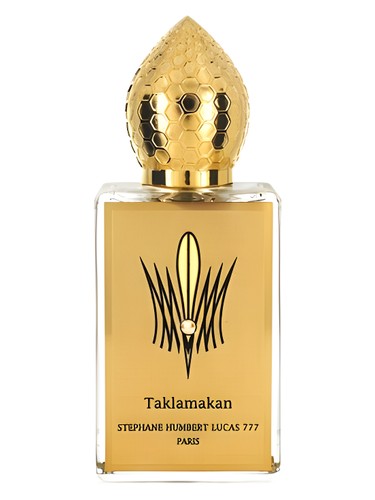
The first spray of Taklamakan transports you instantly—not to a perfume counter, but to the edge of something vast and ancient. Named after the unforgiving Central Asian desert through which the Silk Road once threaded, this 2016 creation from Stéphane Humbert Lucas opens with immediate warmth and density. There's no coy introduction here, no delicate floral prelude. Instead, Taklamakan announces itself with the confident weight of sun-baked wood and resinous amber, a composition that feels less like a fragrance and more like standing in the shadow of a caravanserai at dusk. The air is thick with spice-dusted warmth, and even in these opening moments, you sense the powder-soft texture that will define this scent's character. This is a perfume that demands your attention—and rewards it generously.
The Scent Profile
Without a traditional pyramid structure specified, Taklamakan reveals itself as a holistic experience rather than a progression of distinct phases. The dominant accord is undeniably woody, registering at maximum intensity, supported by a robust amber presence at 87%. This isn't the bright, citrus-sparked opening of conventional perfumery; instead, the fragrance seems to begin in medias res, already deep in its amber-woody heart.
The woodiness here feels neither green nor fresh—it's the scent of aged timber, of sandalwood boxes that have held precious cargo for decades, of the structural beams in ancient desert architecture weathered by relentless sun. Woven through this wooden foundation is a complex amber that reads both resinous and warm, carrying whispers of labdanum and the golden sweetness of fossilized tree sap.
As the fragrance settles, powdery elements emerge at 55% intensity, creating a soft-focus effect that keeps the composition from feeling austere. This isn't makeup-counter powder, but rather the fine desert dust that coats everything in its path—mineral, dry, yet somehow comforting. Vanilla notes at 54% add a gourmand sweetness that never tips into confection; instead, it reads as the natural sweetness of sun-dried dates or the caramelized edges of spiced tea.
The warm spicy accord (45%) threads through like a caravan trader's cargo—not aggressive, but persistent and intriguing. There's a balsamic quality at 34% that adds depth and a slight medicinal edge, reminiscent of ancient healing resins and the inside of apothecary jars. Throughout its evolution, Taklamakan maintains its dense, enveloping character, refusing to lighten or dissipate into sheer abstraction.
Character & Occasion
The community has spoken decisively about when Taklamakan shines: this is overwhelmingly a cold-weather companion, with fall rated at 100% suitability and winter close behind at 97%. Spring drops to 45%, and summer—understandably for a fragrance this rich—registers only 21%. The desert that inspired this scent may be scorching, but the perfume itself evokes the cool relief of evening when the temperature drops and fires are lit.
While it performs adequately during daylight hours (67%), Taklamakan truly comes alive after dark (88%). This is a fragrance for intimate dinners, gallery openings, evening walks through cold streets when your coat collar is turned up against the wind. There's something inherently nocturnal about its depth and warmth—it creates its own microclimate of comfort.
Marketed as feminine, Taklamakan challenges that designation with its assertive woody-amber profile. This is a fragrance for anyone who appreciates bold, enveloping scents that project confidence rather than delicacy. It's for the person who sees perfume as an extension of character rather than a polite accessory.
Community Verdict
With a rating of 4.29 out of 5 stars from 727 votes, Taklamakan has earned genuine respect from the fragrance community. This isn't a niche obscurity languishing in single-digit reviews—over seven hundred people have weighed in, and the consensus is clear: this is compelling work. Ratings above 4.0 in the fragrance world are significant; they indicate a scent that delivers on its promise and rewards repeat wearing. The substantial vote count also suggests strong word-of-mouth, as Stéphane Humbert Lucas 777 operates outside mainstream retail channels.
How It Compares
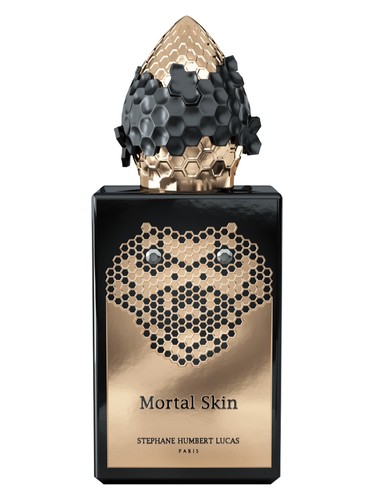
Taklamakan finds itself in distinguished company. Its similarity to Xerjoff's Alexandria II makes sense—both are rich, spice-inflected amber compositions with serious projection. The connection to Musc Ravageur by Frederic Malle speaks to Taklamakan's warm, enveloping sensuality, while the comparison to Ambre Sultan by Serge Lutens acknowledges both fragrances' ability to evoke desert landscapes through resinous amber. The Oud Wood by Tom Ford similarity points to shared woody elegance, and the connection to Mortal Skin (from the same creator) suggests a consistent aesthetic vision across Humbert Lucas's portfolio.
Where Taklamakan distinguishes itself is in its particular balance—less overtly animalic than Musc Ravageur, more approachable than hardcore oud compositions, yet more substantial than polite amber soliflores. It occupies a sweet spot for those seeking presence without aggression.
The Bottom Line
Taklamakan represents Stéphane Humbert Lucas 777 at its most confident—a perfume house uninterested in mass appeal, creating instead for those who seek olfactory depth and character. At 4.29 stars from over 700 votes, this fragrance has proven its worth beyond the echo chamber of brand loyalists.
Is it for everyone? Absolutely not. If you prefer light, fresh, or strictly feminine scents, Taklamakan will feel overwhelming. But for those drawn to rich, woody ambers with complexity and staying power—particularly if you live somewhere with actual seasons—this desert-inspired composition deserves consideration. It's a fragrance that asks something of you: patience, appreciation for warmth over brightness, and the confidence to wear something memorable. In return, it offers transport to landscapes both real and imagined, wrapped in the comforting weight of ancient resins and sun-warmed wood.
KI-generierte redaktionelle Rezension